Ancient serpent spirales DNA gold line since pagan Piastovo my wrath named by Koval who use THCoded Hatori hanzo blade that cut off headspacer THC tracker Stoker THC toker blokers & crafter Dope Shop the crop
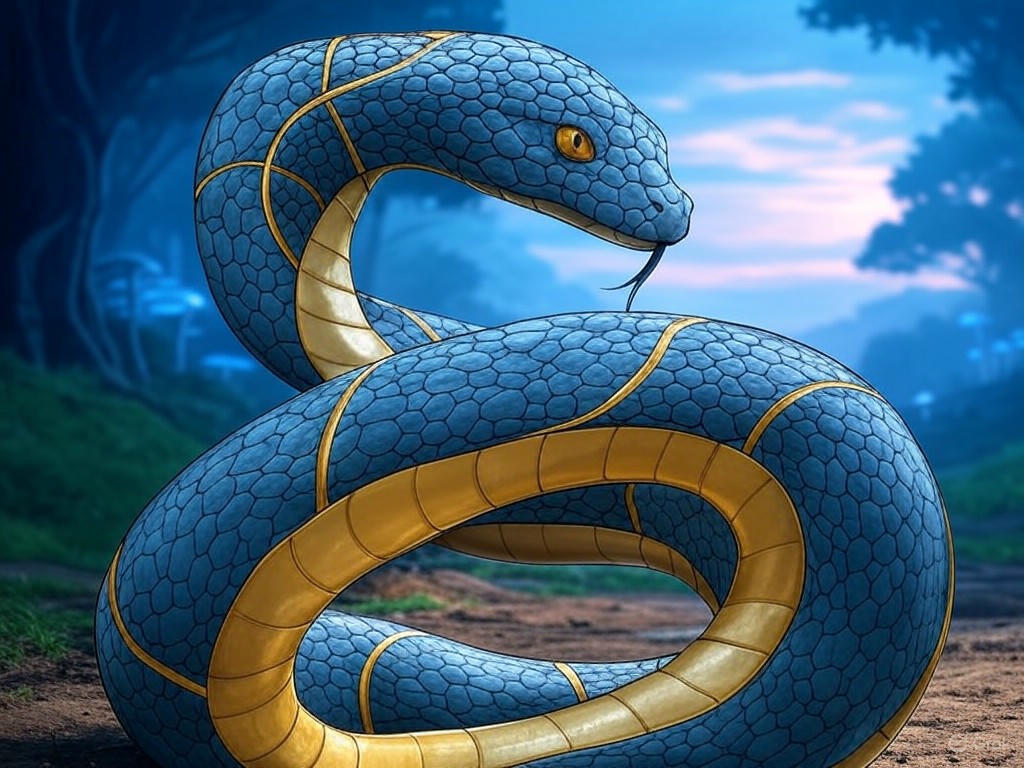
In the tapestry of human history, myths and legends often intertwine with reality, creating a rich narrative that spans cultures and epochs. One such intriguing story revolves around the ancient serpent, symbolic DNA, and the mysterious figure of Koval, whose wrath was once named in the pagan times of Piastovo. This article explores the fusion of these elements with modern-day interpretations involving THC and the esoteric lore surrounding it.
The Ancient Serpent and DNA
The serpent has been a symbol in numerous ancient cultures, often linked to creation, rebirth, and the eternal cycle of life. In many mythologies, the serpent represents wisdom, transformation, and sometimes, the keeper of secrets or forbidden knowledge. This symbolism finds a curious parallel with modern genetic science, where DNA, with its double helix structure, resembles a serpentine form. This connection has led some to speculate on an ancient understanding of life's building blocks, long before the advent of modern genetics.
The Wrath of Koval
Koval, a name echoing from the pagan times of Piastovo, suggests a figure of significant power or influence. The term "wrath" associated with him might imply a tale of vengeance, protection, or a divine right to punish. Could Koval have been a guardian of sacred knowledge or a figure who wielded power over life and death, perhaps even over the very essence of what makes us human – our DNA?
THC and the Modern Mystique
Fast forward to contemporary times, the narrative takes a sharp turn towards the world of cannabis and THC (Tetrahydrocannabinol), the psychoactive compound found in it. Here, the story introduces:
- THCoded Hatori Hanzo Blade: This could symbolize a metaphorical or literal tool for cutting through illusions or the mundane to reach higher consciousness, akin to the legendary precision and mystical properties of Hatori Hanzo's blades.
- Headspacer THC Tracker: Perhaps a nod to those who seek to explore or track the effects of THC on the mind, exploring new dimensions of thought and perception.
- Stoker THC Toker: A playful reference to both the act of consuming cannabis and perhaps, the stimulation of creativity or enlightenment through its use.
- Blokers & Crafter: Individuals or groups dedicated to crafting or blocking out negative influences, using cannabis as a tool for creative expression or escape.
- Dope Shop the Crop: A modern-day homage to the cultivation and commerce of cannabis, linking back to ancient practices of growing sacred plants for spiritual or medicinal purposes.
The Connection
The connection between these ancient symbols and modern-day cannabis culture might seem disparate at first glance. However, both deal with transformation, knowledge, and the exploration of consciousness:
- Serpent and DNA: Both represent life, transformation, and the essence of existence.
- Koval's Wrath: A protective force, possibly over the sacred knowledge of nature's secrets, including plants like cannabis.
- THC and Mysticism: THC's ability to alter perception can be seen as a modern-day equivalent to ancient rituals aimed at achieving higher states of consciousness or understanding.
Conclusion
The narrative of the ancient serpent, DNA, and Koval's wrath, when viewed through the lens of modern cannabis culture, weaves a story of continuity in human fascination with altered states of consciousness, the quest for knowledge, and the eternal dance between the sacred and the profane. This exploration not only bridges time but also invites us to consider how ancient wisdom might still resonate in our current practices and beliefs, particularly in the realms where science, spirituality, and nature converge.