Cultural Immersion: Festivals Around the World You Can't Miss
Festivals are vibrant expressions of cultural identity, providing a unique window into the traditions, beliefs, and history of communities worldwide. They offer travelers an immersive experience into local customs and a chance to witness the world's diversity in celebration. Here are some festivals from around the globe that promise an unforgettable cultural dive:
1. Diwali - India
Known as the Festival of Lights, Diwali is one of the most widely celebrated festivals in India and among Hindu communities globally. Occurring in October or November, the festival symbolizes the victory of light over darkness. Homes and streets are adorned with diyas (oil lamps), colorful rangoli designs, and fireworks light up the night sky. It's a time for families to come together, exchange gifts, wear new clothes, and indulge in a feast of sweets and savory dishes.
2. Carnival - Brazil
Perhaps one of the most famous festivals in the world, Rio de Janeiro's Carnival is an explosive celebration of life, music, and dance. Held before Lent, this event features samba parades, street parties known as blocos, and the Sambadrome, where samba schools compete with elaborate floats and costumes. The energy, colors, and rhythm make it an unparalleled cultural experience.
3. La Tomatina - Spain
In the small town of Buñol, Spain, every last Wednesday of August, the streets come alive with a tomato fight like no other. La Tomatina is not just about throwing tomatoes; it's about the spirit of community, fun, and the sheer joy of letting go. Participants dress in old clothes or wear goggles to protect their eyes, and after the battle, the town hoses down the streets, cleaning up in a communal effort.
4. Holi - India and Nepal
Holi is another Indian festival that has gained international recognition for its colorful chaos. Celebrated in March, it marks the arrival of spring, the victory of good over evil, and the end of winter. People throw colored powders at each other, dance, sing, and share sweets. It's a festival that breaks down social barriers, encouraging everyone to join in the revelry.
5. Songkran - Thailand
The Thai New Year, known as Songkran, is celebrated with one of the world's largest water fights. Taking place in mid-April, the streets of Thailand, especially in Chiang Mai and Bangkok, turn into a battlefield where water guns, buckets, and hoses are the weapons of choice. Beyond the fun, Songkran is a time for cleansing, renewal, and paying respect to elders and Buddha images.
6. Oktoberfest - Germany
While it might be known for beer, Oktoberfest in Munich is much more than that. It's a celebration of Bavarian culture, featuring traditional music, parades in lederhosen and dirndls, pretzels, sausages, and, of course, copious amounts of beer. The festival, which starts in late September and lasts until the first Sunday in October, is a testament to German hospitality and tradition.
7. Dia de los Muertos - Mexico
The Day of the Dead, or Dia de los Muertos, is not about mourning but celebrating the lives of the deceased. Held on November 1st and 2nd, families set up ofrendas (altars) with pictures of loved ones, food, and items they enjoyed in life. Parades, music, and dancing fill the streets, with people painting their faces to look like skulls, embracing death as part of the cycle of life.
8. Obon Festival - Japan
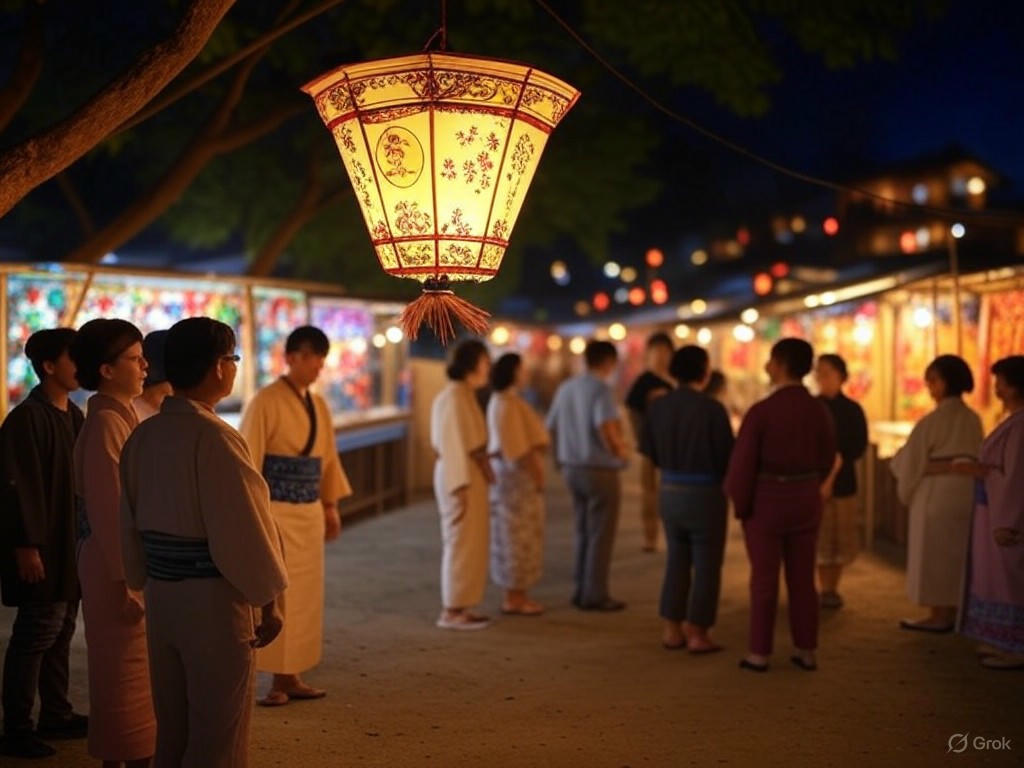
Obon, or just Bon, is a Japanese Buddhist custom to honor one's ancestors. Held typically in mid-August, it involves families cleaning and lighting lanterns to guide spirits back home, dancing the Bon Odori, and floating lanterns on rivers or lakes to send the spirits back to the other world. It's a beautiful, serene festival that highlights Japan's deep connection with its ancestors.
Each of these festivals offers a unique cultural experience, showcasing different aspects of human celebration and tradition. They invite participants to step out of their comfort zones, engage with locals, and understand the profound stories behind these joyous occasions. Whether through dance, food, music, or ritual, these festivals are gateways to understanding the rich tapestry of human culture.