Understanding Lameness: A Farrier's Guide to Diagnosis and Treatment
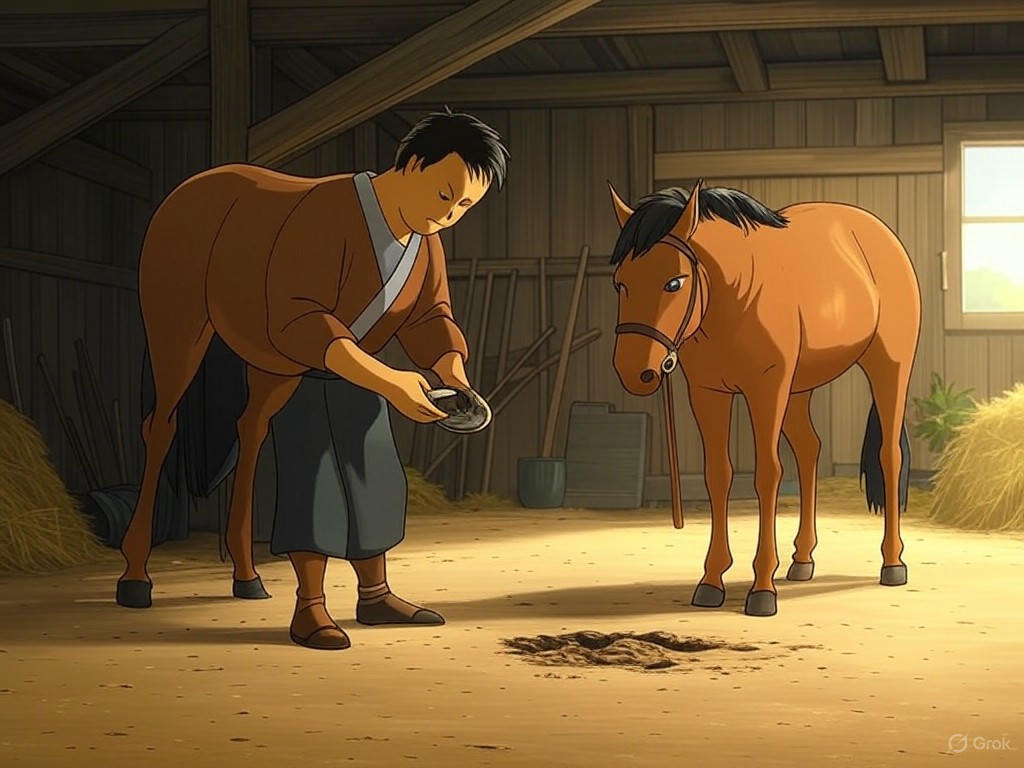
Lameness in horses is a common issue that can stem from a variety of causes, ranging from simple hoof abscesses to complex musculoskeletal conditions. For farriers, understanding the signs, diagnosing the root causes, and providing effective treatments are essential skills. This guide aims to offer farriers a comprehensive look into the diagnosis and treatment of lameness in horses, enhancing their ability to contribute significantly to equine health.
Signs of Lameness
Recognizing lameness early can prevent minor issues from becoming major problems. Here are key signs to look for:
- Uneven Gait: Watch for changes in stride length or rhythm, head nodding, or hip hiking.
- Reluctance to Move: Horses might be hesitant to move forward or show reluctance in performing certain maneuvers.
- Heat and Swelling: Check for heat in the hoof or swelling in the limbs, which could indicate injury or infection.
- Pain Response: A horse might react to pressure or palpation in certain areas.
- Behavioral Changes: A sudden change in behavior like irritability or lethargy can also be indicative of pain.
Diagnosis
Diagnosing lameness involves a combination of observation, physical examination, and sometimes advanced diagnostic tools:
1. Visual Observation: Initially, watch the horse move at different gaits on various surfaces. Look for asymmetry or abnormalities.
2. Palpation: Feel for any heat, swelling, or pain by palpating the legs, hooves, and body.
3. Hoof Tester: Use a hoof tester to apply pressure in different areas to pinpoint pain sources.
4. Flexion Tests: Flexion tests can help identify issues in specific joints or limbs by inducing temporary lameness.
5. Advanced Diagnostics:
- X-rays: To look at bone structure for fractures or arthritis.
- Ultrasound: For soft tissue injuries like tendons or ligaments.
- MRI/CT Scans: For detailed views of both bone and soft tissues when necessary.
Common Causes of Lameness
Here are some prevalent conditions that farriers might encounter:
- Hoof Abscesses: Often cause sudden, severe lameness.
- Navicular Disease: A degenerative condition affecting the navicular bone and its surrounding structures.
- Laminitis: An inflammation of the laminae inside the hoof, leading to severe pain.
- Tendon and Ligament Injuries: Such as bowed tendons or suspensory ligament damage.
- Joint Issues: Arthritis or synovitis can lead to chronic lameness.
Treatment Approaches
Treatment varies widely based on diagnosis:
- Corrective Trimming and Shoeing: For many hoof-related issues, adjustments in trimming or shoeing can alleviate pain and correct biomechanics.
- Therapeutic Farriery: Techniques like heart bar shoes for laminitis or egg bar shoes for navicular support can be employed.
- Medication: Anti-inflammatory drugs, joint supplements, or steroids might be recommended by a vet.
- Rest and Rehabilitation: Controlled exercise programs, possibly including hydrotherapy or physiotherapy.
- Surgery: In severe cases, surgical intervention might be necessary, like removing bone fragments or repairing tendons.
Preventive Measures
Prevention is always better than cure:
- Regular Hoof Care: Consistent trimming and shoeing schedules prevent many common issues.
- Proper Nutrition: Balanced diets to support hoof and joint health.
- Exercise and Turnout: Appropriate exercise and rest to maintain musculoskeletal health.
- Monitoring: Regular check-ups for early detection of potential problems.
Conclusion
Understanding, diagnosing, and treating lameness requires a blend of expertise, patience, and collaboration between horse owners, veterinarians, and farriers. By staying informed about the latest techniques and maintaining a proactive approach, farriers can play a pivotal role in managing equine lameness, ensuring horses lead healthy, active lives. Remember, each horse is unique, and what works for one might not work for another; thus, a tailored approach is crucial.