A Journey Through Johnstown’s Historic Flood Sites
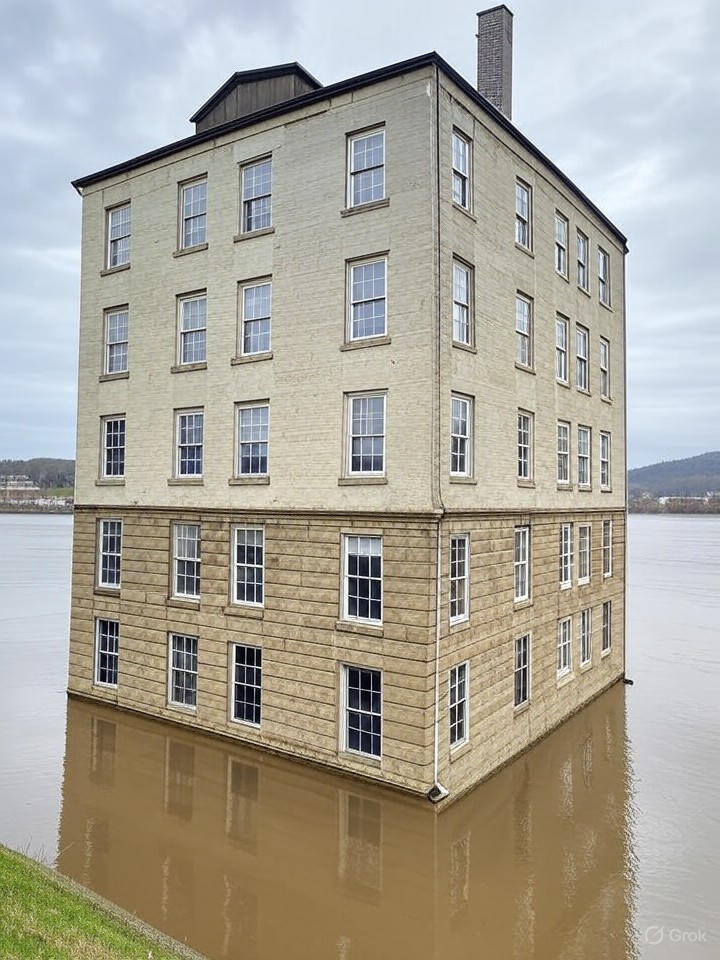
Nestled in the rolling hills of southwestern Pennsylvania, Johnstown is a city forever etched in American history by one of the nation's deadliest natural disasters: the Great Flood of 1889. On May 31 of that year, the catastrophic failure of the South Fork Dam unleashed a 20-million-ton wall of water, debris, and destruction down the Little Conemaugh River valley, claiming over 2,200 lives and reshaping the landscape. Today, visitors can trace the flood's devastating path through a network of preserved sites, museums, and trails. This journey offers not just a glimpse into tragedy, but a profound lesson in resilience, engineering hubris, and human endurance.
Embark on a self-guided tour starting upstream at the dam's remnants and winding through downtown Johnstown, where the flood's fury peaked. Whether by car, bike, or foot, these sites blend somber history with scenic beauty.
1. Johnstown Flood National Memorial: The Epicenter of Catastrophe
Begin your pilgrimage 14 miles east of Johnstown at the Johnstown Flood National Memorial, administered by the National Park Service. Here, the skeletal remains of the South Fork Dam stand as silent sentinels amid reconstructed wetlands and forests. Once a private lake for Pittsburgh's elite—summer retreat for the likes of Andrew Carnegie and Henry Clay Frick—the dam's neglect led to its collapse after heavy rains.
Hike the 1.3-mile Dam Trail for panoramic views of the breach site, or join a ranger-led tour to hear eyewitness accounts. The visitor center's exhibits, including a haunting 26-minute film narrated by Richard Thomas, recreate the flood's buildup. This memorial isn't just ruins; it's a stark reminder of how privilege and poor maintenance can turn paradise into peril.
2. Path of the Flood Historic Trail: Following the Torrent's Trail
Descending into the valley, pedal or stroll the Path of the Flood Historic Trail, a 17-mile crushed-limestone path shadowing the old Pennsylvania Main Line Canal and the flood's route. This rails-to-trails gem starts near the dam and parallels the river, passing through tunnels and over viaducts.
Key stops include the Woodvale Slag Dump, where iron mill waste formed a deadly debris field, and remnants of the South Fork Fishing and Hunting Club. In East Conemaugh, pause at the Minersville schoolhouse site, where 80 children perished. The trail's interpretive signs bring the chaos to life—imagine the 60-mph surge snapping telegraph poles and flattening farms.
3. Johnstown Flood Museum: Stories from the Survivors
Arriving in downtown Johnstown, dive deeper at the Johnstown Flood Museum, housed in the grand Alma Hall building on Washington Street. Miraculously spared by the floodwaters that lapped at its steps, this Italianate structure now safeguards artifacts like sodden pianos, twisted safes, and Clara Barton's Red Cross ledgers.
Interactive displays and a immersive 3D film transport you to the flood's heart. Learn about the "Johnstown Inclined Plane," a funicular that saved lives during the deluge and still operates as North America's steepest. The museum also covers the 1936 flood, underscoring Johnstown's repeated trials by water.
4. The Stone Bridge and Point Park: Where the Waters Converged
No visit is complete without witnessing the Stone Bridge, an 1888 engineering marvel at the confluence of the Stonycreek and Little Conemaugh Rivers. The floodwaters slammed into it, piling wreckage 70 feet high and trapping hundreds who perished in the inferno sparked by broken gas lines.
Adjacent Point Park features the PNC Liberty Bell Memorial Arch and a serene overlook. Here, the city's three rivers meet, symbolizing renewal amid ruin. Nearby, the Cambria Iron Company ruins evoke the industrial boom that drew immigrants to Johnstown's mills.
Legacy and Lessons: Johnstown Rises Again
Johnstown's flood sites tell a dual tale of devastation and rebirth. Post-1889 relief efforts by the Red Cross set precedents for modern disaster response, while today's infrastructure—like the dam's concrete successors—reflects hard-won wisdom. Annual events, such as the Flood City Music Festival, celebrate survival.
As you depart, reflect on the flood's human cost: unidentified victims rest in the Grandview Cemetery's Plot of the Unknown. Johnstown invites us to remember, lest history repeat.
Explore More
- Johnstown Flood National Memorial (NPS)
- Path of the Flood Historic Trail
- Johnstown Flood Museum
- Visit Johnstown (Official Tourism Site)
- American Red Cross Johnstown Flood History