Unleashing Your Inner Artist: Techniques to Spark Original Ideas
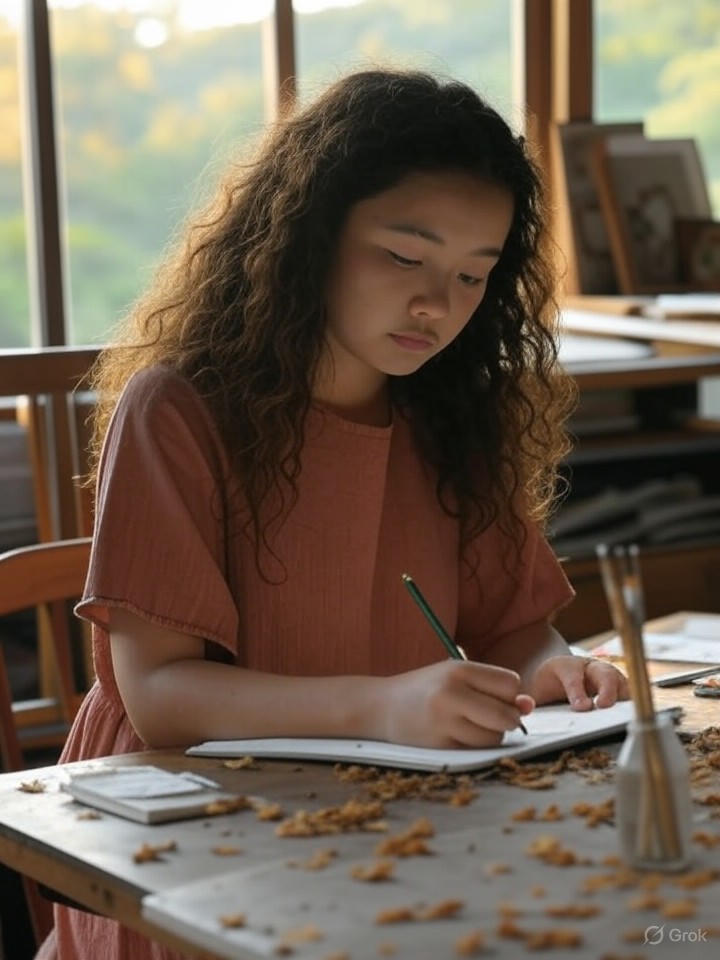
Creativity is often seen as a mysterious gift, a talent reserved for a select few. However, the truth is that everyone possesses the potential to be an artist in their own right. Whether you're a painter, writer, musician, or simply someone looking to solve problems in innovative ways, unlocking your inner artist is about tapping into your unique perspective and letting your imagination run free. This article explores practical techniques to ignite your creativity and spark original ideas that reflect your individuality.
Embrace Curiosity and Observation
One of the foundational steps to unleashing your inner artist is cultivating a sense of curiosity about the world around you. Artists are often keen observers, noticing details that others might overlook. Start by paying attention to your surroundings—whether it's the texture of a weathered wall, the rhythm of a bustling city street, or the emotions behind a stranger’s fleeting expression. These observations can serve as raw material for your creative projects.
To practice this, carry a small notebook or use a note-taking app on your phone to jot down anything that catches your eye or sparks a thought. Over time, you'll build a treasure trove of inspiration. Ask yourself questions like, "What story lies behind this object?" or "How could this mundane moment be transformed into something extraordinary?" Curiosity fuels creativity, and the more you question, the more ideas you'll uncover.
Break Free from Routine
Routine can be comforting, but it can also stifle creativity. Doing the same things in the same way every day limits your exposure to new experiences and perspectives. To spark original ideas, shake up your daily habits. Take a different route to work, try a new hobby, or immerse yourself in a culture or art form you've never explored before. These disruptions to your routine can jolt your mind out of autopilot and open the door to fresh insights.
For example, if you're a writer stuck in a creative rut, visit a museum and let the visual art inspire a new story. If you're a musician, listen to a genre you've never considered and experiment with blending its elements into your own work. Stepping outside your comfort zone challenges your brain to make new connections, often leading to innovative ideas.
Practice Free Expression
Many people hesitate to create because they fear judgment or failure. However, true artistry requires letting go of perfectionism and embracing the freedom to express yourself without constraints. One effective technique to achieve this is freewriting or free sketching. Set a timer for 10 minutes and let your thoughts or lines flow without editing or overthinking. Don't worry about grammar, structure, or aesthetics—just create.
This unfiltered process can help you bypass your inner critic and access raw, authentic ideas. Over time, you may notice recurring themes or concepts in your free expression exercises that can be refined into larger projects. The key is to give yourself permission to make mistakes and view them as stepping stones rather than setbacks.
Collaborate and Seek Diverse Perspectives
Creativity often thrives in community. Engaging with others—whether through collaboration or simply conversation—can introduce you to viewpoints and ideas you might never have considered on your own. Join a local art group, attend workshops, or participate in online forums related to your creative field. Sharing your work and receiving constructive feedback can help you see your ideas from a new angle.
Additionally, seek inspiration from people outside your immediate circle. Talk to individuals from different backgrounds, industries, or age groups. Their unique experiences can provide a fresh lens through which to view your own creative challenges. For instance, a software developer might gain unexpected inspiration for a coding project by discussing storytelling techniques with a novelist.
Use Constraints to Your Advantage
While it may seem counterintuitive, imposing limitations on your creative process can actually boost originality. Constraints force you to think critically and problem-solve within a defined framework, often leading to unexpected solutions. For example, if you're a painter, challenge yourself to create a piece using only three colors. If you're a writer, try crafting a story in exactly 100 words.
These self-imposed boundaries push you to experiment with new approaches and break away from predictable patterns. Many iconic works of art have emerged from constraints—think of haiku poetry, with its strict syllable structure, or black-and-white photography, which strips away color to focus on light and shadow.
Tap into Your Emotions
Art is often a reflection of the human experience, and emotions are a powerful wellspring of inspiration. To create truly original work, connect with your feelings and use them as a driving force. Whether you're grappling with joy, grief, anger, or longing, channeling these emotions into your art can result in pieces that resonate deeply with others.
One way to access this emotional reservoir is through mindfulness or meditation. Take a few moments each day to sit quietly and reflect on how you're feeling. Write down or sketch out these emotions without judgment. Over time, you'll develop a deeper understanding of your inner world, which can translate into authentic and compelling creative output.
Experiment