The Renaissance of Craftsmanship: Why Traditional Art is Making a Comeback
A Desire for Authenticity
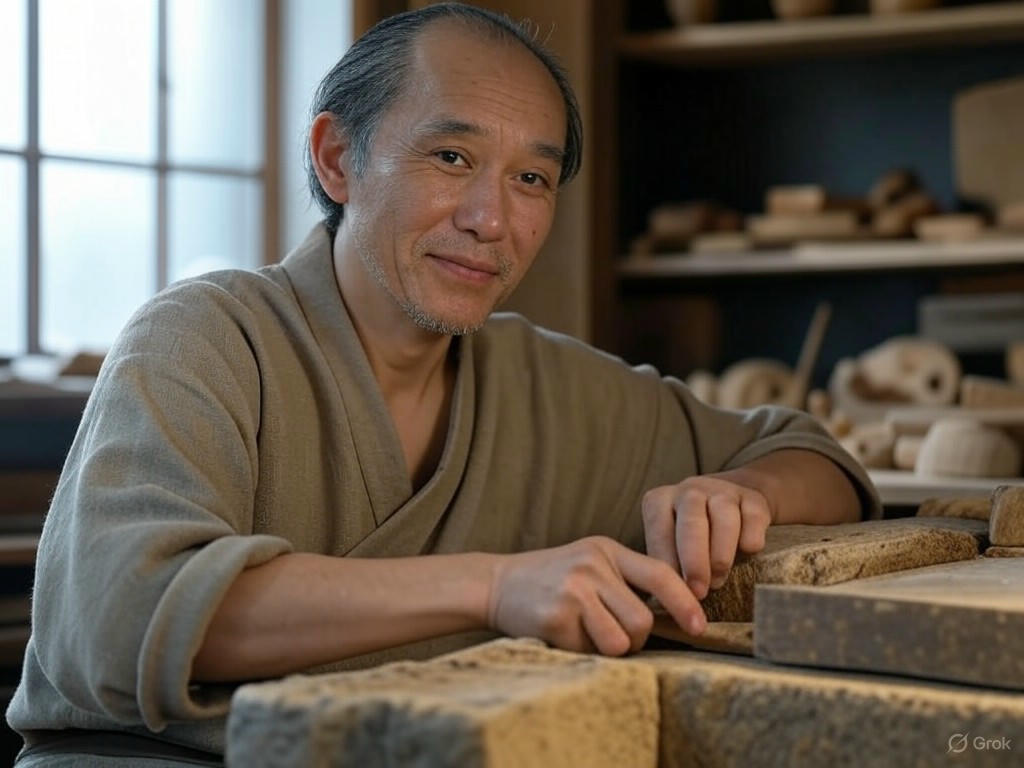
In a world increasingly filled with digital interactions and synthetic materials, there's a growing craving for authenticity. Handcrafted items carry a story, a human touch that mass-produced goods can't replicate. This authenticity provides a sense of connection and history, something deeply cherished in today's fast-paced society.
Sustainability and Ethical Consumption
The environmental impact of fast fashion and disposable products has led to a consciousness shift. Consumers are now more aware of the ecological footprint of their purchases. Traditional craftsmanship often involves sustainable practices, using local materials and time-honored techniques that are less harmful to the environment. Moreover, buying handmade supports local economies and often ensures better labor conditions, aligning with the principles of ethical consumption.
Quality Over Quantity
There's a noticeable shift in consumer behavior from quantity to quality. Handmade items are typically crafted with meticulous attention to detail, resulting in products that not only last longer but often become heirlooms. This longevity opposes the throwaway culture, offering a counter-narrative to the planned obsolescence of many modern products.
The Slow Movement
The Slow Movement, which emphasizes doing things at a natural pace, valuing processes over productivity, has gained traction. This movement advocates for slowing down in all aspects of life, from food to fashion. Traditional craftsmanship fits perfectly into this ethos, where the time taken to create something is as valued as the end product itself.
Educational and Cultural Preservation
As older generations of artisans retire, there's a concerted effort to pass on these skills. Workshops, apprenticeships, and craft schools are seeing a revival. This not only preserves cultural heritage but also educates new generations about the richness of traditional arts, ensuring these practices continue into the future.
Digital Platforms as Modern Marketplaces
Ironically, while technology disrupts traditional crafts, it also provides new avenues for these artisans to reach a global audience. Online platforms like Etsy, Instagram, and specialized forums allow craftsmen to showcase their work, share their stories, and connect with consumers who appreciate the value of handmade goods. This digital renaissance has given traditional crafts a new lease on life, merging the old with the new.
Therapeutic Value of Craftsmanship
Engaging in crafts has been linked to mental well-being. The process of creating something with one's hands can be incredibly therapeutic, offering a break from the screen-heavy lifestyle. This aspect has become particularly poignant in recent times, with many people seeking activities that provide a sense of calm and purpose.
Conclusion
The comeback of traditional craftsmanship is not just about nostalgia; it's a multifaceted movement driven by a collective yearning for authenticity, sustainability, and a slower, more meaningful way of life. As we navigate through the complexities of the modern era, traditional arts stand as a testament to human creativity, resilience, and the enduring value of craftsmanship. This renaissance isn't merely a trend; it's a reclamation of our cultural roots and a step towards a more thoughtful, connected world.