GARRETT HO SCALE LAYOUT'S BUSINESS CALLED ANTHONY SALVAGE. THE NAME ANTHONY IS THE LAYOUT OWNERS OLDEST SON. THE COMPANY RECIEVES AND DISTRIBUTES SCRAP STELL ALUMINUM AND COPPER
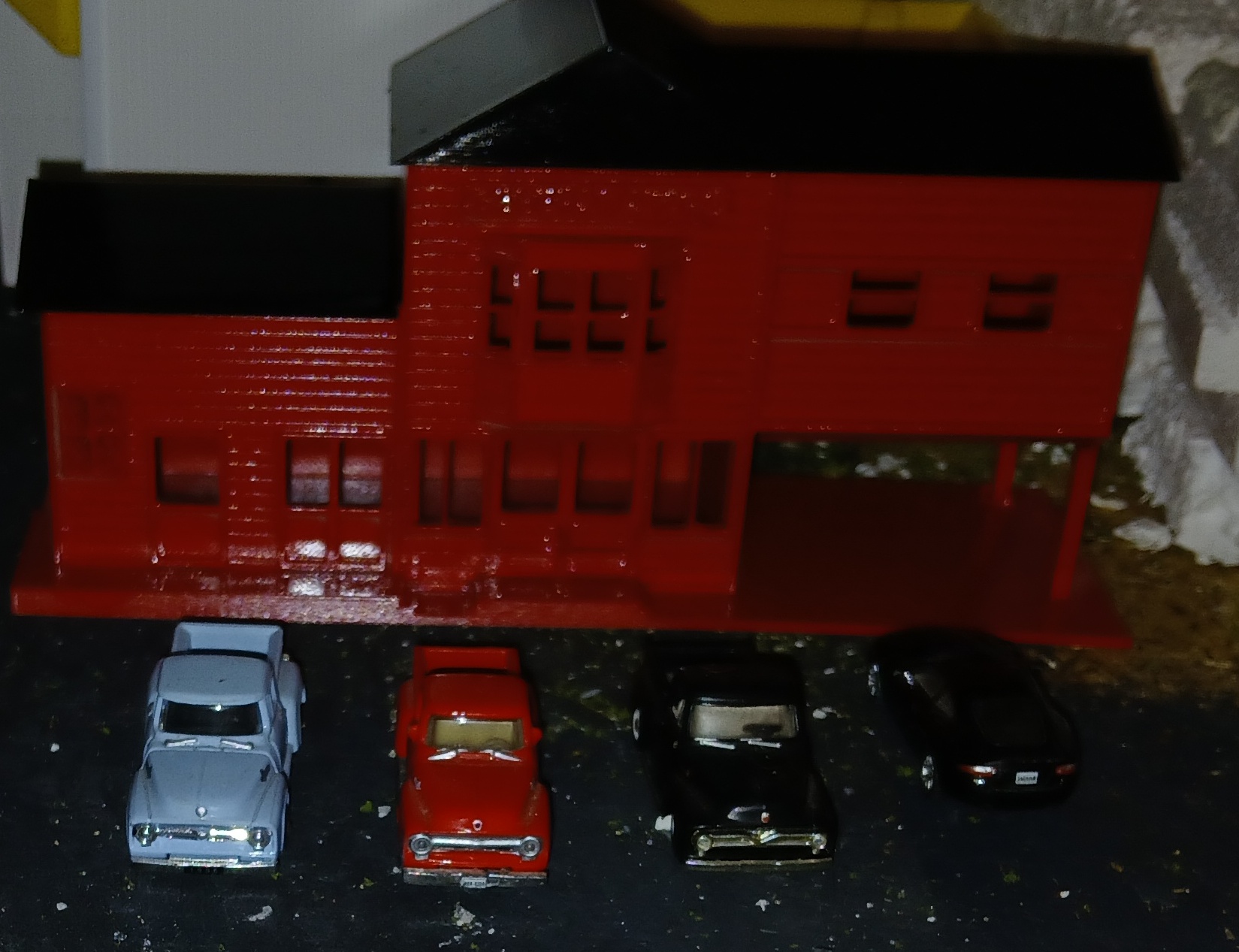
In the intricate world of model railroading, every layout tells a story. For Garrett, an avid HO scale enthusiast, his layout is not just a collection of tracks, locomotives, and scenery—it’s a tribute to family and a creative expression of industrial grit. At the heart of his meticulously crafted world lies Anthony Salvage, a fictional scrap metal business named after his oldest son, Anthony. This bustling operation, which handles scrap steel, aluminum, and copper, serves as a centerpiece of Garrett’s layout, blending personal sentiment with the rugged charm of industrial railroading.
A Personal Touch: Naming Anthony Salvage
For Garrett, naming the scrapyard after his son was a natural choice. “Anthony is my oldest, and I wanted to honor him in a way that felt meaningful to me,” Garrett explains. “Model railroading has always been a passion of mine, and incorporating my family into this hobby makes it even more special.” The name Anthony Salvage not only pays homage to his son but also evokes the kind of hardworking, blue-collar ethos that defines the industrial theme of his layout.
Located in a gritty corner of Garrett’s HO scale world, Anthony Salvage is a hub of activity. The business receives and distributes scrap materials, mirroring the real-world operations of scrapyards that play a vital role in recycling and resource management. By weaving this personal connection into the layout, Garrett has created a narrative that resonates with both fellow modelers and casual observers.
The Operations of Anthony Salvage
Anthony Salvage is no mere backdrop on Garrett’s layout—it’s a fully functional operation that adds realism and purpose to the rail network. The company specializes in handling three primary materials: scrap steel, aluminum, and copper. These materials arrive in weathered gondola cars and flatcars, simulating the heavy loads typical of industrial freight. Once at the yard, the scrap is “sorted” and redistributed to other destinations on the layout, such as steel mills or recycling plants, via outgoing trains.
The yard itself is a visual feast of detail. Piles of scrap metal, crafted from bits of wire, plastic, and painted foam, are scattered across the facility, giving it an authentic, cluttered look. Rusting equipment, including a magnetic crane for loading and unloading, adds to the industrial atmosphere. Garrett has even included small touches like weathered signage bearing the “Anthony Salvage” name and workers in hard hats, bringing the scene to life.
Operationally, Anthony Salvage serves as a key switching point on the layout. Trains arrive with mixed loads of scrap, requiring careful shunting to position cars at the appropriate unloading zones. This adds a layer of complexity to operating sessions, as Garrett and his fellow modelers must coordinate movements to avoid delays and ensure efficient processing. “It’s like running a real business,” Garrett says with a laugh. “You’ve got to keep the trains moving, or the whole operation grinds to a halt.”
Crafting Realism in HO Scale
One of the standout features of Anthony Salvage is the level of detail Garrett has poured into its design. Working in HO scale (1:87), he has painstakingly recreated the look and feel of a working scrapyard. The tracks leading into the yard are embedded in dirt and gravel, with patches of oil stains and debris to suggest years of heavy use. The surrounding structures, including a small office and storage sheds, are weathered to perfection, showing signs of wear and tear from exposure to the elements.
Garrett’s choice of materials for the scrap piles is particularly clever. Steel scrap is simulated using small metal shavings and painted plastic strips, while aluminum is represented with bits of foil and silver-painted sprue. Copper, with its distinctive reddish hue, is crafted from painted wire clippings. These details not only enhance the visual realism but also reflect the distinct properties of each material handled by Anthony Salvage.
Lighting plays a crucial role in bringing the yard to life, especially during night operations. Garrett has installed small LED lights to illuminate the work areas, casting dramatic shadows over the scrap piles and equipment. “I wanted it to feel like the yard never sleeps,” he explains. “Even in the dark, there’s always something happening at Anthony Salvage.”
A Hub of Activity and Storytelling
Beyond its operational and aesthetic appeal, Anthony Salvage serves as a storytelling device on Garrett’s layout. Each train that rolls into the yard carries with it a sense of purpose—whether it’s delivering raw scrap from a demolished building or hauling processed materials to a distant factory. Garrett often invents backstories for these shipments, imagining where the materials came from and where they’re headed. “Maybe this load of steel came from an old bridge that was torn down,” he muses. “Or this copper is on its way to be turned into wiring for a new skyscraper.”
This narrative depth extends to the workers at Anthony Salvage, who