Edible art: sculptural desserts and showpieces with cannabis
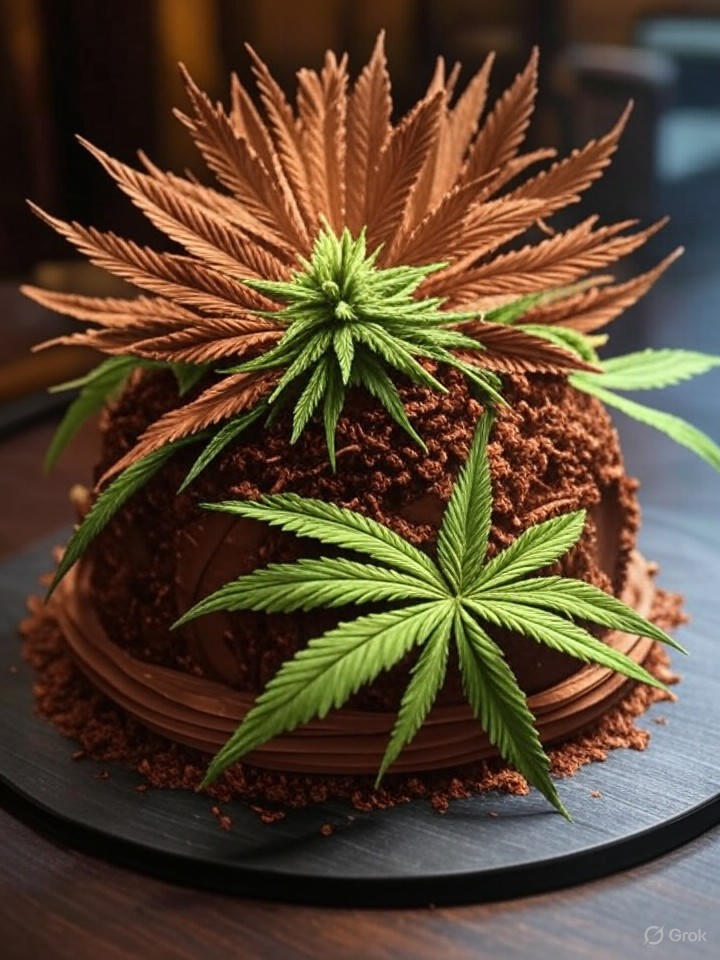
In the world where culinary creativity meets wellness trends, edible art has evolved into a mesmerizing fusion of sculpture and indulgence. Imagine intricate chocolate sculptures, towering sugar-paste masterpieces, or delicate gelatin orbs—all not just visually stunning but infused with cannabis for a subtle, therapeutic twist. This niche of sculptural desserts and showpieces is gaining traction among chefs, artists, and cannabis enthusiasts in regions where it's legally permitted. It's a canvas where flavor, texture, and cannabinoids like THC and CBD create multi-sensory experiences.
The Rise of Cannabis-Infused Edible Art
Cannabis edibles have long been popular for their discreet and controlled dosing, but sculptural forms elevate them from simple brownies to gallery-worthy centerpieces. This trend surged post-legalization in places like Canada, parts of the U.S., and Uruguay, where dispensaries and kitchens collaborate on high-end confections. Artists draw inspiration from traditional sugar sculpture—think wedding cakes shaped like castles or floral arrangements—but incorporate cannabis oils, butters, or isolates to add a modern, functional edge.
What sets these apart? Precision. Unlike everyday edibles, sculptural pieces demand structural integrity while evenly distributing cannabinoids. A misshapen bust risks crumbling under its own weight, and uneven infusion could lead to unpredictable effects.
Key Techniques for Creating Cannabis Sculptural Desserts
Crafting these works requires skill in pastry arts and cannabis infusion science. Here's how pros do it:
1. Infusion Methods
- Fat-Based Extraction: Decarboxylate cannabis flower (heating to activate THC/CBD) and infuse into butter, coconut oil, or chocolate. This is ideal for ganache fillings in sculpted figures.
- Isolate Powders: Use THC/CBD crystals for precise dosing without altering taste or texture—perfect for fondant or royal icing.
- Tinctures and Emulsions: Water-soluble options blend seamlessly into gels or sugar syrups for translucent showpieces.
2. Sculpting Materials
- Chocolate: Tempered dark or white chocolate forms durable sculptures like abstract human forms or animals. Infuse with cannabis oil for a glossy, potent finish.
- Sugar Paste and Fondant: Moldable doughs create lifelike fruits, architecture, or surreal shapes. Add infused simple syrup during kneading.
- Isomalt and Gelatin: Blown sugar creates ethereal orbs or shards; agar-based gels make wobbly, jewel-like edibles.
- Rice Krispies or Marshmallow Structures: For larger pieces, build armatures with infused treats, then ice over.
Tools include silicone molds, airbrushes for painting, structural supports like dowels, and precision scales for dosing (aim for 5-10mg THC per serving).
3. Dosing and Safety Essentials
Artistic flair must prioritize safety. Calculate total cannabinoids based on strain potency, then divide by portions. Label clearly with potency levels, and advise microdosing for beginners. Store in cool, dark places to preserve freshness and potency. Always consult lab-tested products to avoid contaminants.
Iconic Examples and Artist Spotlights
- The Cannabis Cake Tower: Pastry chef Dominique Ansel (of Cronut fame) has experimented with multi-tiered cakes resembling modern sculptures, infused with CBD for a calming vibe.
- Chocolate Ganache Busts: Artist Mary Beth Bendel creates hyper-realistic celebrity heads from cannabis-infused ganache, displayed at cannabis art expos.
- Gelatin Galaxy Orbs: Innovative pieces by Chef Wietse using spherification techniques yield bite-sized planets floating in infused syrup, evoking edible cosmos.
- Event Showpieces: At legal cannabis festivals, massive dragon sculptures made of pulled sugar and infused caramel wow crowds before being carved and served.
These creations shine at weddings, corporate events, or wellness retreats, blending spectacle with subtle euphoria or relaxation.
Legal and Ethical Considerations
Cannabis edibles are regulated differently worldwide. In the U.S., states like California and Colorado allow them with strict packaging rules. Always source from licensed producers, and never transport across borders. For non-consumers, these pieces can be made CBD-only or alcohol-infused alternatives. Emphasize consent and education—edible art is about enhancement, not excess.
The Future of Edible Cannabis Art
As technology advances—like nano-emulsified cannabinoids for faster onset—sculptural desserts will push boundaries further. Expect VR-guided sculpting classes, sustainable hemp-derived edibles, and collaborations with fine artists. This movement redefines "art you can eat," proving cannabis can be both muse and medium.
Whether you're a home baker or pro chef, start small: infuse a simple chocolate truffle sculpture and build from there. The result? Art that's deliciously unforgettable.
Resources and Links
- Leafly's Guide to Edible Dosing: https://www.leafly.com/news/cannabis-101/edible-dosing-guide
- Serious Eats on Sugar Sculpture Techniques: https://www.seriouseats.com/sugar-sculpture-techniques
- High Times Cannabis-Infused Recipes: https://hightimes.com/edibles/
- Legal Cannabis Edibles Regulations (U.S.): https://www.fda.gov/food
- Artist Mary Beth Bendel Portfolio: https://www.marybethbendel.com (example site)
- Pastry Arts Online Courses: https://www.pastryarts.com