The Future of Electric Cars: Trends and Predictions
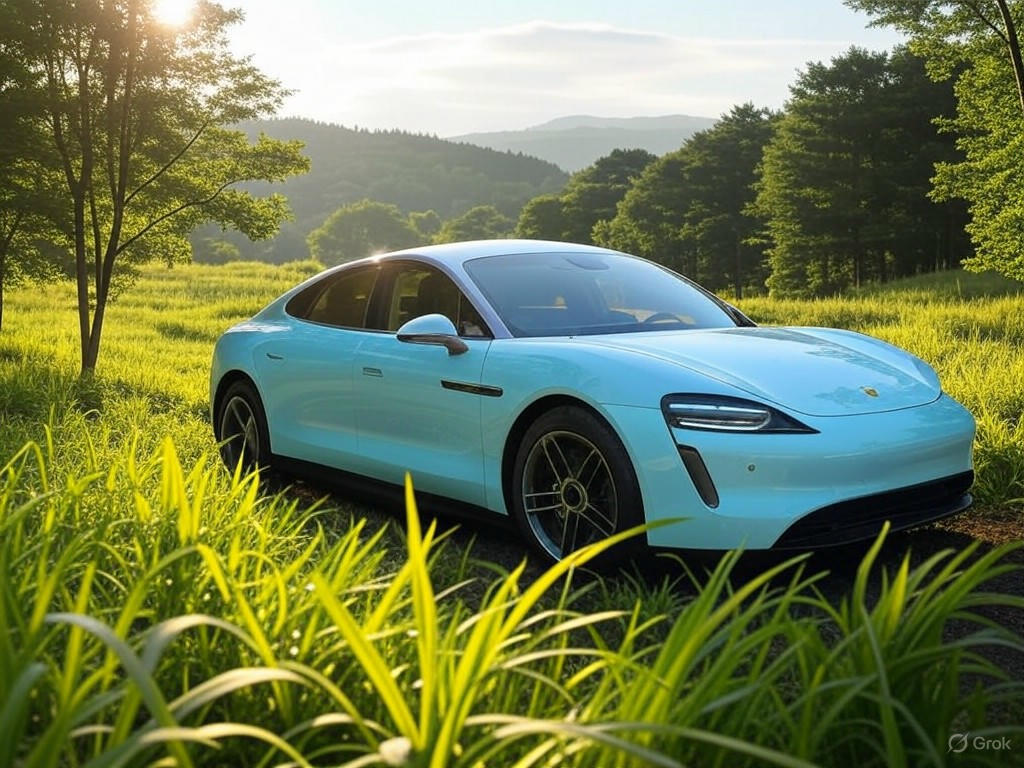
The automotive industry is at a pivotal juncture, with electric vehicles (EVs) becoming increasingly central to its future. As environmental concerns mount and technology advances, electric cars are not just a trend but a fundamental shift in how we think about personal transportation. Here are some of the trends and predictions shaping the future of electric cars:
1. Increased Market Penetration:
- Growth in Sales: Electric vehicle sales are expected to surge. Predictions suggest that by 2025, EVs could account for nearly 30% of global car sales, driven by consumer demand for sustainable options, government incentives, and falling battery costs.
- Diverse Models: Automakers are expanding their electric lineups, offering everything from compact cars to luxury sedans, SUVs, and even electric trucks. This diversification will make EVs accessible to a broader audience.
2. Technological Advancements:
- Battery Technology: Future EVs will likely boast batteries with greater energy density, longer life spans, and faster charging capabilities. Solid-state batteries could become mainstream, offering higher safety, energy density, and longevity than current lithium-ion batteries.
- Autonomous Driving: Integration of autonomous driving technologies with electric vehicles will be more pronounced. This synergy could redefine urban mobility, with electric autonomous vehicles potentially serving as shared fleets in cities.
3. Infrastructure Development:
- Charging Networks: The expansion of charging infrastructure is vital. We're likely to see an increase in fast-charging stations, not just in urban areas but also along highways and in rural areas, alleviating range anxiety.
- Wireless Charging: Inductive charging, where cars charge wirelessly while parked or even on the move, could become more common, simplifying the charging process.
4. Environmental and Policy Impact:
- Regulations: Governments worldwide are implementing stricter emissions regulations, pushing for a transition to electric vehicles. This includes potential bans on internal combustion engine vehicles in various regions.
- Carbon Neutrality: The push towards carbon neutrality will further accelerate EV adoption. Companies are setting ambitious targets to reduce their carbon footprint, which includes electrifying their fleets.
5. Economic Factors:
- Cost Reduction: The cost of electric vehicles is expected to decrease due to economies of scale, advancements in manufacturing, and cheaper battery production. This parity in cost with traditional cars will make EVs a more attractive option for the average consumer.
- Secondary Market: As the first wave of EVs ages, a robust second-hand market will develop, further democratizing access to electric vehicles.
6. Energy and Grid Integration:
- Vehicle-to-Grid (V2G): EVs might not just consume energy; they could feed energy back into the grid during peak times or when parked. This bidirectional energy flow could stabilize the grid and provide an additional revenue stream for EV owners.
- Renewable Energy Synergy: With the rise of renewable energy, EVs can play a significant role in energy storage, helping to balance supply and demand by storing solar or wind energy.
7. Cultural Shift:
- Consumer Mindset: There's a growing cultural shift towards sustainability. Younger generations, in particular, are more inclined towards owning or using electric vehicles due to environmental awareness.
- Urban Planning: Cities are redesigning urban landscapes to accommodate EVs, with more charging points, parking solutions, and traffic management tailored to electric mobility.
Conclusion
The future of electric cars is not just about cleaner transportation but a comprehensive transformation in energy usage, urban planning, and consumer behavior. While challenges remain, particularly in infrastructure and the environmental impact of battery production, the trend towards electric vehicles is clear. The coming decades will see electric cars not just as an alternative but as the primary mode of personal transportation, reshaping our roads, cities, and perhaps even our daily lives.