The Impact of HCU Deforestation on Local Wildlife
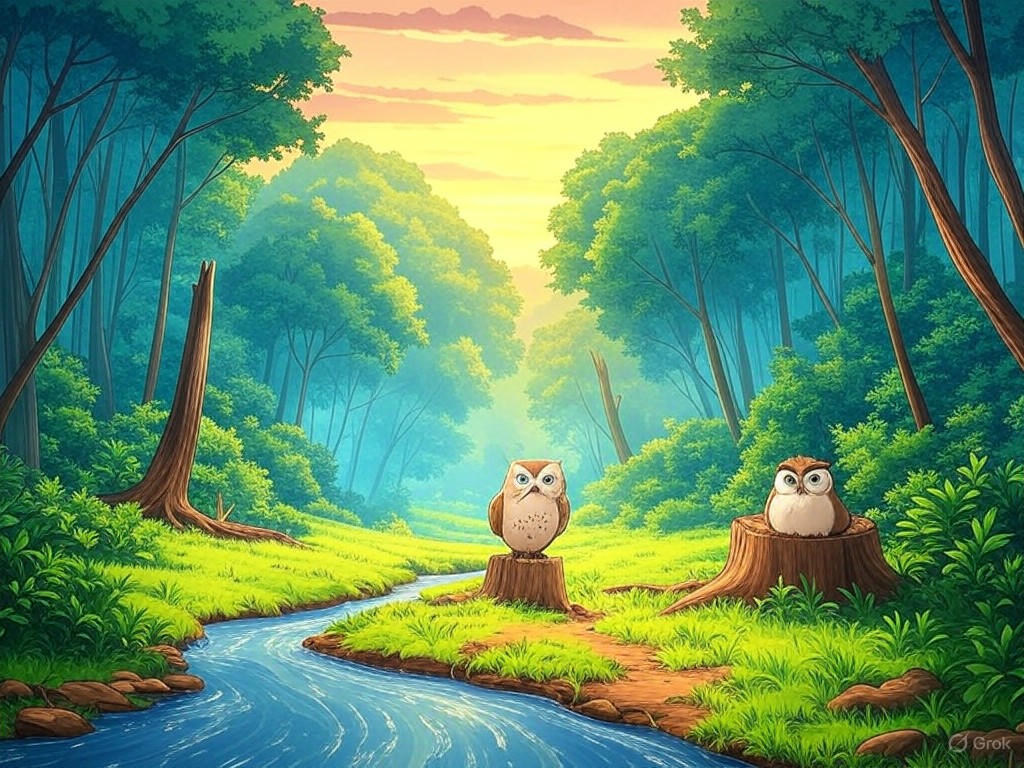
1. Loss of Habitat
Habitat Destruction: The primary impact of deforestation is the destruction of habitats. Many species are highly specialized, adapted to live in specific types of forest ecosystems. When these forests are cut down, species like orangutans, tigers, and many types of birds lose their living spaces, leading to significant population declines or extinction.
Fragmentation: Even when not entirely destroyed, forests can be fragmented into smaller, isolated patches. This fragmentation isolates populations, reducing genetic diversity and making species more vulnerable to local extinction due to increased predation, reduced food resources, and inability to migrate or find mates.
2. Disruption of Ecosystem Services
Water Cycles: Forests play a critical role in the water cycle, acting as natural sponges that absorb and release water. Deforestation disrupts these cycles, leading to altered river flows which can affect aquatic ecosystems, impacting species like fish and amphibians.
Soil Erosion: Without tree roots to anchor the soil, erosion rates increase, which can bury habitats or alter landscapes, making them unsuitable for many species adapted to specific soil conditions.
3. Changes in Species Dynamics
Predator-Prey Relationships: The removal of forest cover can alter predator-prey dynamics. For instance, in areas where forests are cleared for agriculture, prey species might become more exposed, while predators like leopards might find it harder to hunt, leading to imbalances.
Invasive Species: Deforestation can pave the way for invasive species, which can outcompete or prey on native wildlife, further disrupting the ecological balance.
4. Impact on Biodiversity
Loss of Biodiversity: HCU areas often harbor high levels of biodiversity. Deforestation reduces this diversity by eliminating the complex network of species interactions. For example, the loss of fruiting trees affects not just the fruit-eating animals but also the seed dispersers and pollinators, like bats and bees, leading to a cascade effect through the food web.
5. Climate Change Contribution
Carbon Release: Forests act as carbon sinks, storing vast amounts of CO2. Deforestation releases this stored carbon, contributing to global warming, which in turn affects wildlife through changes in climate patterns, shifting seasons, and increasing frequency of extreme weather events.
Mitigation Efforts
To mitigate these impacts:
- Reforestation and Afforestation: Planting trees in degraded areas can help restore habitats, although it might take decades for ecosystems to recover fully.
- Protected Areas: Strengthening the legal protection of HCU areas can prevent further deforestation.
- Sustainable Practices: Encouraging sustainable agricultural practices and alternative livelihoods can reduce the need for forest conversion.
- Community Involvement: Engaging local communities in conservation efforts ensures that the benefits of biodiversity are recognized and valued.
The ongoing deforestation in HCU areas is a pressing environmental issue with significant repercussions for wildlife. Addressing this challenge requires a combination of conservation strategies, policy enforcement, and community involvement to preserve these vital ecosystems for future generations.