Advanced Dressage Techniques for Competitive Riders
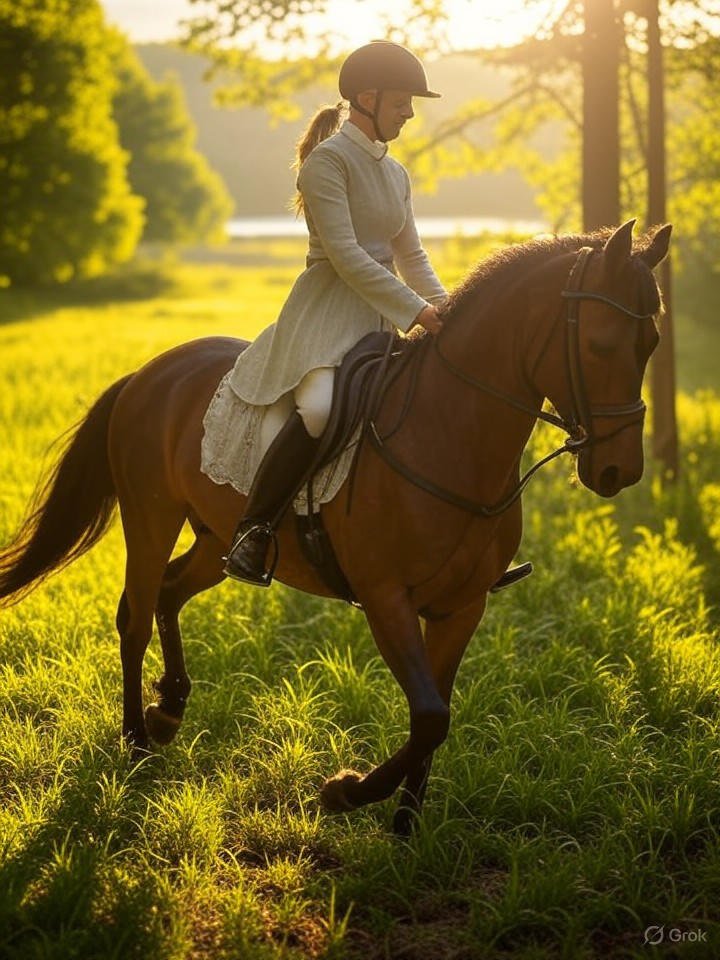
Dressage, often referred to as the "ballet of horse riding," is a highly skilled equestrian discipline that showcases the harmony between horse and rider through precise movements and elegant execution. For competitive riders aiming to excel at higher levels, mastering advanced dressage techniques is essential. This article explores key strategies, movements, and training methods to help riders refine their skills and achieve success in the competitive arena.
Understanding the Foundation of Advanced Dressage
Before delving into advanced techniques, it’s critical to have a solid foundation in the basics of dressage. This includes a deep understanding of the training scale, which outlines the progression of a horse's education: rhythm, relaxation, contact, impulsion, straightness, and collection. At the advanced level, riders must ensure that these elements are not only present but also seamlessly integrated into every movement.
Advanced dressage requires a heightened level of communication between horse and rider. Riders must develop an almost intuitive connection with their horse, using subtle aids to execute complex maneuvers. This partnership is built on trust, consistency, and mutual respect, which are cultivated through years of dedicated training.
Mastering Collection and Extension
At the heart of advanced dressage are the concepts of collection and extension, which demonstrate a horse’s ability to adjust its balance and stride length while maintaining rhythm and impulsion. Collection involves shortening the horse’s frame and stride, shifting more weight to the hindquarters, and creating a lighter, more elevated forehand. Extension, on the other hand, requires the horse to lengthen its stride while maintaining balance and energy.
To achieve superior collection, riders must focus on engaging the horse’s hind end through exercises like shoulder-in, haunches-in, and half-passes. These lateral movements encourage the horse to step under itself, building strength and flexibility. For extension, riders should practice lengthening the trot and canter on straight lines and across diagonals, ensuring the horse remains balanced and does not rush or lose connection with the bit.
A common mistake at this level is over-collecting or forcing the horse into a frame. Riders must prioritize relaxation and allow the horse to move naturally within the desired frame, using aids that are precise and well-timed.
Perfecting Advanced Movements
Advanced dressage includes intricate movements such as piaffe, passage, and flying changes, which are often the highlight of a competitive performance. Each of these movements requires technical precision and a deep understanding of timing and coordination.
Piaffe and Passage
Piaffe is a highly collected trot in place, where the horse lifts its legs with energy and suspension while maintaining a steady rhythm. Passage, often described as a "floating trot," involves a slow, elevated trot with pronounced suspension and power. Both movements demand exceptional strength and engagement from the horse’s hindquarters.
To train for piaffe and passage, riders can start with half-steps, a transitional exercise that introduces the horse to the idea of trotting with shorter, more collected strides. Using a light seat and subtle rein aids, the rider encourages the horse to maintain energy and lift without tension. Groundwork with an experienced trainer can also help develop these movements before attempting them under saddle.
Flying Changes
Flying changes, where the horse switches its leading leg during the canter without breaking rhythm, are a hallmark of advanced dressage. At higher levels, riders perform sequences of changes, such as every stride (tempi changes), which require impeccable timing and straightness.
To perfect flying changes, riders must ensure the horse is balanced and responsive to leg aids. Start with single changes on a diagonal, focusing on maintaining straightness and a consistent canter rhythm. Gradually progress to multiple changes, ensuring each transition is clean and effortless. If the horse anticipates or becomes tense, return to simpler exercises to rebuild confidence and relaxation.
Refining Rider Position and Aids
At the advanced level, the rider’s position and aids become even more critical. Any inconsistency or imbalance in the rider’s seat can disrupt the horse’s performance. Riders must maintain a centered, upright posture with a deep, independent seat that allows for subtle communication.
The aids—seat, legs, and hands—must be applied with precision and minimal movement. For example, in lateral movements like half-pass, the rider’s weight should shift slightly in the direction of travel while the inside leg encourages bend and engagement. Overuse of the reins or excessive leg pressure can cause tension in the horse, so riders must strive for lightness and clarity in their aids.
Regular lessons with a qualified dressage coach and video analysis of rides can help identify and correct subtle flaws in position or timing. Additionally, off-horse exercises such as yoga or Pilates can improve core strength and flexibility, enhancing the rider’s ability to maintain balance and control.
Mental Preparation for Competition
Competing at the advanced level is as much a mental challenge as it is a physical one. Riders must develop focus, resilience, and the ability to adapt under pressure. Visualization techniques,