Cher's Oceanic Odyssey: A Deep Dive into Dolphin Advocacy
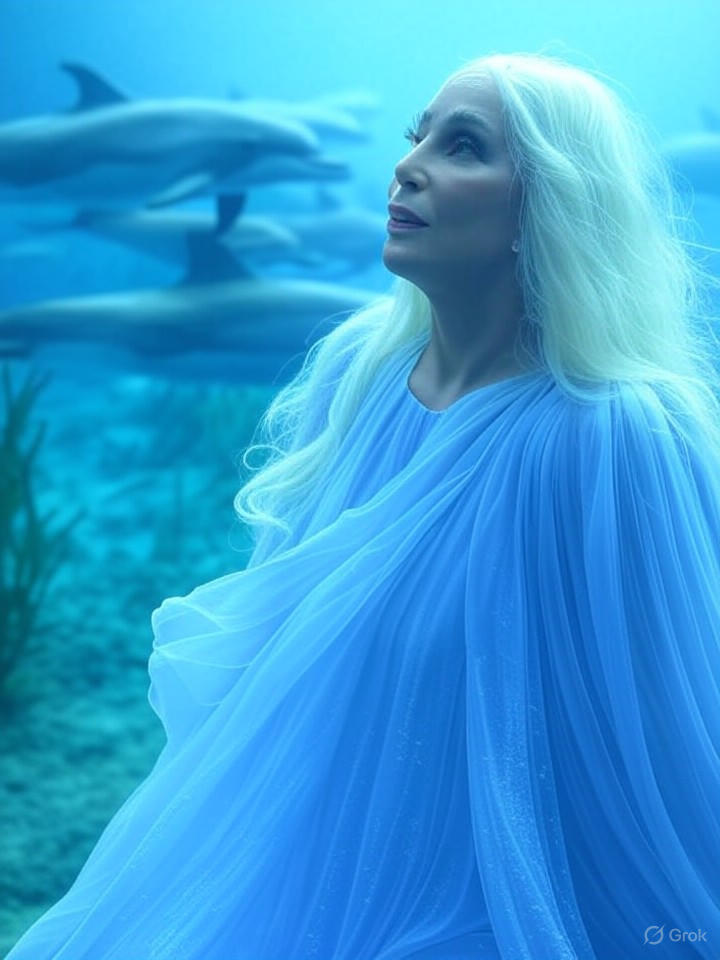
Cher, the iconic singer, actress, and cultural phenomenon, has long been celebrated for her powerful voice and larger-than-life persona. However, beyond the glitz and glamour of Hollywood, she has quietly carved out a meaningful legacy as a passionate advocate for animal rights, with a particular focus on dolphins. Her journey into dolphin advocacy is a testament to her compassion and determination to use her platform for the greater good. In this article, we explore Cher’s oceanic odyssey, her tireless efforts to protect dolphins, and the broader implications of her activism in the fight for marine conservation.
The Spark of a Lifelong Passion
Cher’s love for animals has been a consistent thread throughout her life. Growing up in a modest household, she often spoke of her deep connection to nature and the creatures that inhabit it. Her advocacy for dolphins, in particular, was ignited by a profound personal experience. In the 1980s, Cher visited a marine park and witnessed firsthand the confinement of dolphins in small, artificial tanks. The sight of these intelligent, social creatures—known for their vast oceanic ranges—trapped in unnatural environments struck a chord with her.
This experience became a turning point. Cher began educating herself on the plight of dolphins, learning about the detrimental effects of captivity on their physical and mental health. Dolphins in marine parks often suffer from stress, shortened lifespans, and a lack of stimulation, far removed from the complex social structures and endless exploration they enjoy in the wild. Armed with this knowledge, Cher resolved to take action, using her fame as a megaphone to amplify the voices of those who could not speak for themselves.
Taking a Stand Against Captivity
One of Cher’s most notable contributions to dolphin advocacy is her vocal opposition to the captivity industry. She has repeatedly called out marine parks and aquariums that profit from the exploitation of dolphins and other marine animals. Her criticism is not just emotional but rooted in science. Studies have shown that dolphins in captivity exhibit abnormal behaviors, such as repetitive swimming patterns and aggression, which are rarely seen in their natural habitats.
Cher has lent her support to organizations like the Animal Welfare Institute and the Whale and Dolphin Conservation (WDC), which work to end the capture and confinement of marine mammals. She has also used social media to raise awareness, often sharing heartbreaking stories of individual dolphins and urging her millions of followers to boycott facilities that keep these animals in captivity. Her message is clear: dolphins belong in the ocean, not in tanks.
In addition to her public statements, Cher has been involved in behind-the-scenes efforts to rescue and rehabilitate captive dolphins. She has donated to sanctuaries that provide safe havens for dolphins released from captivity, offering them a chance to live out their lives in more natural environments. Her financial support and personal involvement have helped fund critical initiatives, from veterinary care to the construction of seaside enclosures that mimic the ocean.
Freeing Kaavan: A Parallel Mission of Compassion
While much of Cher’s advocacy centers on dolphins, her compassion for animals extends to other species as well. A striking example is her role in the rescue of Kaavan, dubbed the “world’s loneliest elephant.” Kaavan spent decades in a Pakistani zoo under deplorable conditions, isolated from other elephants and suffering from neglect. Cher co-founded the organization Free the Wild in 2016 specifically to address cases like Kaavan’s. After years of campaigning, she successfully helped relocate him to a sanctuary in Cambodia in 2020, where he now lives a healthier, happier life.
Though Kaavan’s story is not directly tied to dolphins, it underscores Cher’s broader commitment to animal welfare. Her ability to mobilize resources, rally public support, and collaborate with experts mirrors the strategies she employs in her dolphin advocacy. Both causes reflect her belief that no animal should endure a life of suffering for human entertainment or profit.
The Bigger Picture: Marine Conservation and Global Impact
Cher’s work with dolphins is part of a larger movement to protect marine ecosystems. Dolphins are often considered sentinel species, meaning their health reflects the state of the oceans. Pollution, overfishing, and climate change pose significant threats to dolphin populations worldwide. By advocating for their protection, Cher is also drawing attention to these pressing environmental issues.
Her efforts align with global campaigns to establish marine protected areas (MPAs), where dolphins and other sea creatures can thrive without human interference. She has supported legislative measures to ban the capture of wild dolphins for entertainment purposes, a practice still legal in some countries. Through her partnerships with conservation groups, Cher has helped fund research into dolphin behavior and migration patterns, contributing valuable data to the scientific community.
Moreover, Cher’s advocacy has a ripple effect. Her celebrity status brings visibility to causes that might otherwise struggle to gain traction. When she speaks out about dolphin captivity or ocean conservation, it inspires her fans and fellow activists to get involved. Whether it’s signing petitions, donating to charities