The Rise of Remote Work: How Home Offices Are Influencing Real Estate Choices
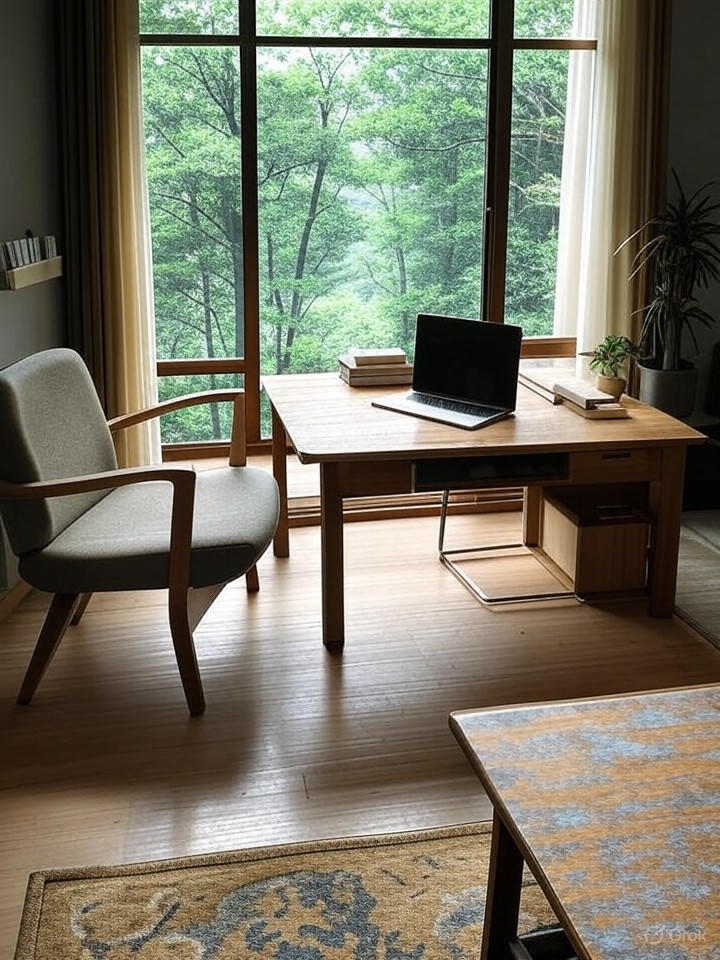
In recent years, the concept of remote work has transformed from a niche perk to a mainstream way of life for millions of professionals worldwide. Fueled by advancements in technology and accelerated by the global pandemic, working from home has reshaped not only how we work but also how we live. One of the most significant consequences of this shift is the growing influence of home offices on real estate choices. As more people prioritize space and functionality for remote work, the housing market is adapting to meet these evolving demands.
The Remote Work Revolution
The rise of remote work can be attributed to several factors. High-speed internet, cloud-based collaboration tools, and video conferencing platforms have made it easier than ever for employees to stay connected and productive from anywhere. Additionally, the COVID-19 pandemic forced companies to adopt remote work policies on a massive scale, proving that many roles could be performed effectively outside traditional office settings. Even as the world has begun to recover, a significant number of employers have embraced hybrid or fully remote models, recognizing the benefits of flexibility for both employees and businesses.
According to a 2023 survey by Upwork, nearly 22% of the U.S. workforce is expected to work remotely by 2025, with many employees expressing a strong preference for maintaining this arrangement. This shift in work culture has prompted individuals and families to rethink their living environments, placing a premium on spaces that can accommodate professional needs alongside personal comfort.
The Growing Demand for Home Offices
One of the most direct impacts of remote work on real estate is the increased demand for dedicated home office spaces. No longer satisfied with makeshift setups on dining tables or cramped corners, remote workers are seeking properties with designated areas for productivity. A home office has become a must-have feature for many buyers, often ranking as high as updated kitchens or spacious backyards in terms of priority.
Real estate listings now frequently highlight features like "bonus rooms," "flex spaces," or "home office potential" to attract prospective buyers. In a 2022 report by the National Association of Realtors, over 60% of homebuyers cited the need for a home office as a key factor in their purchasing decision. This trend is particularly pronounced among younger buyers, such as millennials and Gen Z, who are entering the housing market with remote work as a central part of their lifestyle.
Location, Location, Location: A Shift in Priorities
The rise of remote work has also redefined the importance of location in real estate decisions. Traditionally, proximity to urban centers and major business districts dictated property values, as workers needed to commute to offices. However, with the tether to physical workplaces loosening, many are opting to move further from city centers in search of larger homes, quieter neighborhoods, and lower costs of living—all while ensuring they have space for a functional home office.
Suburban and rural areas have seen a surge in demand as remote workers trade cramped city apartments for homes with additional square footage. According to data from Zillow, home prices in suburban areas grew by 15% year-over-year in 2022, outpacing urban markets. This migration reflects a broader desire for work-life balance, with many prioritizing access to nature, better schools, and more affordable housing over short commutes.
Design and Functionality in the Spotlight
Beyond location, the design and functionality of homes are also evolving to meet the needs of remote workers. Builders and developers are increasingly incorporating home office features into new constructions, such as built-in desks, soundproofing, and enhanced electrical setups for tech-heavy workspaces. Renovation projects have also spiked, with homeowners converting spare bedrooms, basements, or even garages into dedicated offices.
Natural light, ergonomic layouts, and reliable internet connectivity are now critical considerations for remote workers when evaluating a property. Additionally, the rise of hybrid work models—where employees split time between home and office—has led to a demand for multi-functional spaces that can serve as both a professional environment and a personal retreat. For instance, convertible rooms with fold-away furniture or sliding partitions are becoming popular solutions for maximizing space.
The Financial Implications
The emphasis on home offices is not without financial consequences. Properties with dedicated workspaces often command higher prices, as buyers are willing to pay a premium for move-in-ready solutions. Conversely, homes without adaptable spaces may struggle to attract interest in a competitive market, potentially leading to longer listing times or reduced offers.
For homeowners, investing in a home office can yield significant returns. Real estate experts suggest that adding a dedicated workspace can increase a property’s value by 5-10%, depending on the quality of the renovation and the local market. However, it’s important to strike a balance—over-customizing a space for a specific type of work may limit its appeal to future buyers.
Challenges and Considerations
While the shift toward home offices offers exciting opportunities, it also presents challenges. Not all homes can easily accommodate a dedicated workspace,