Yoga Poses for Better Sleep
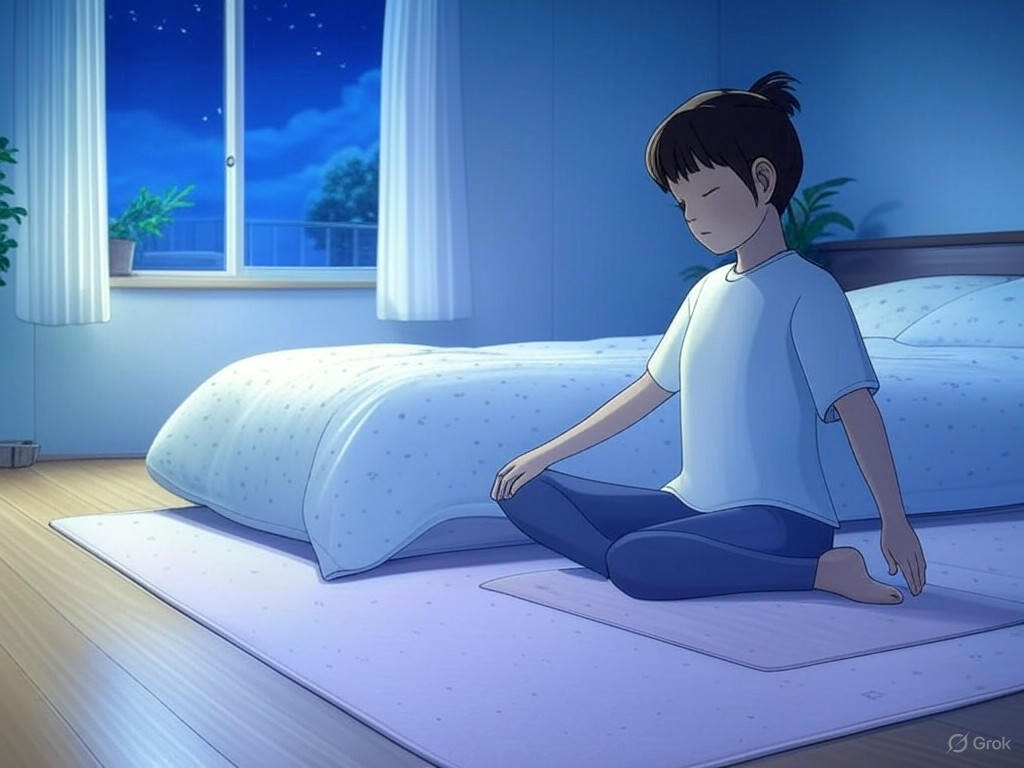
In our fast-paced world, achieving a restful night's sleep can sometimes feel like an elusive dream. However, the ancient practice of yoga offers a natural, drug-free approach to not only improve sleep quality but also to reduce stress and anxiety, which are common culprits behind insomnia. Here are some yoga poses that can help you transition into a peaceful slumber:
1. Child's Pose (Balasana)
- How to do it: Kneel on the floor, touch your big toes together, sit back onto your heels, then fold forward, extending your torso between your thighs. Let your forehead touch the ground, and your arms stretch out in front or alongside your body. Breathe deeply into your back.
- Benefits: This pose is incredibly soothing, releasing tension in the back, neck, and shoulders. It promotes a sense of calm and safety, preparing your body for sleep.
2. Legs Up the Wall Pose (Viparita Karani)
- How to do it: Sit with one hip close to a wall, then swing your legs up onto the wall as you lie back, forming an L shape. Your body should be perpendicular to the wall, with your arms resting by your sides or on your belly.
- Benefits: This inversion pose helps to calm the nervous system, reduce anxiety, and relieve tired legs and feet. It's particularly useful after a long day on your feet.
3. Reclining Bound Angle Pose (Supta Baddha Konasana)
- How to do it: Lie on your back, bring the soles of your feet together, letting your knees fall out to the sides. You can place cushions or blocks under your knees for support. Place your arms in a comfortable position, either by your sides or above your head.
- Benefits: This pose opens the hips and chest, which can alleviate tension where we often hold stress. It's also a gentle heart opener, promoting relaxation.
4. Corpse Pose (Savasana)
- How to do it: Lie flat on your back with your legs slightly apart, arms at your sides but not touching your body, palms facing up. Close your eyes and focus on your breath, allowing your body to sink into the floor.
- Benefits: Savasana is often used at the end of yoga practice to integrate the benefits of the session. It's incredibly effective for deep relaxation, helping to release both physical and mental stress.
5. Seated Forward Bend (Paschimottanasana)
- How to do it: Sit with your legs extended straight in front of you. Inhale to lengthen your spine, and as you exhale, hinge at your hips to fold forward, reaching for your feet or shins. Keep your back straight as much as possible.
- Benefits: This pose stretches the spine, hamstrings, and back, which can release physical tension. It also has a calming effect on the brain, reducing stress and mild depression.
Tips for Incorporating Yoga into Your Bedtime Routine:
- Create a Routine: Try to practice these poses at the same time each night to signal to your body that it's time for sleep.
- Set the Environment: Dim the lights, perhaps light a candle or use essential oils like lavender to enhance the calming effect.
- Mindful Breathing: Focus on your breath during these poses to deepen the relaxation response.
- Consistency is Key: Like any practice, the benefits of yoga for sleep will be more pronounced with regular practice.
Incorporating these yoga poses into your evening routine can significantly enhance your sleep quality by promoting relaxation and reducing the physical and mental tension accumulated throughout the day. Remember, the goal isn't to perform the poses perfectly but to use them as tools for relaxation and rest. Sweet dreams await!