Why our moms never talked about what they were going through menopause
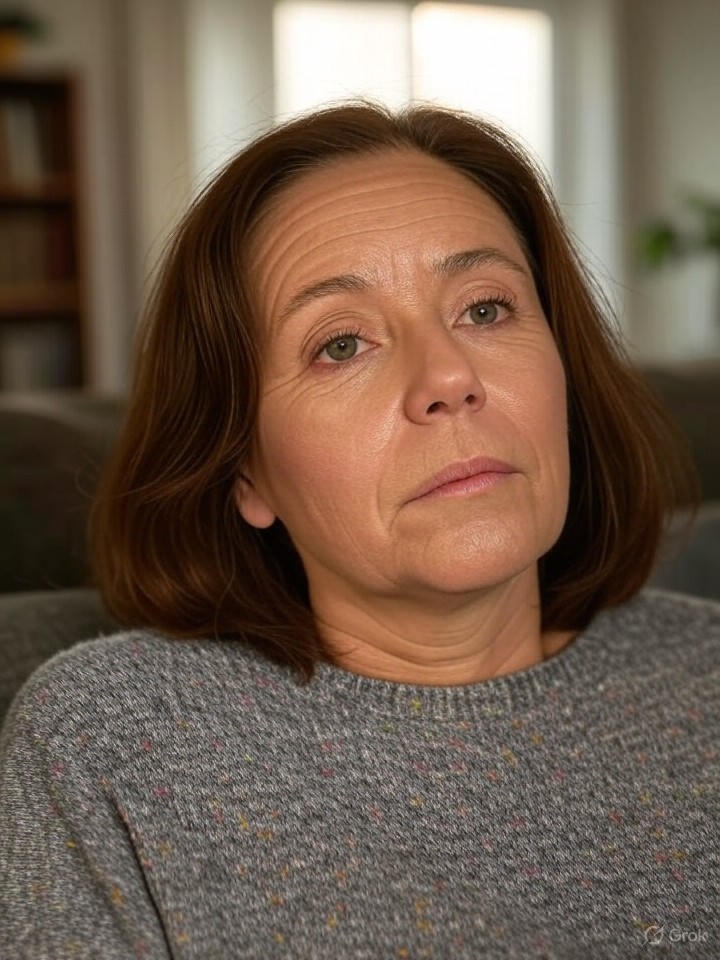
Menopause marks a profound transition in a woman's life, yet for many of us, our mothers endured its symptoms—hot flashes, mood swings, sleep disturbances—in near-total silence. Why did they suffer quietly? This generational hush wasn't just personal; it stemmed from deep-rooted cultural, social, and medical factors that framed menopause as a taboo. Today, as we shatter that silence, understanding the "why" empowers us to support each other better.
The Shadow of Stigma: A Historical Perspective
In the mid-20th century, when many of our moms hit menopause (typically between ages 45 and 55), women's health issues were shrouded in shame. Menopause was often dismissed as "the change" or a natural part of aging that women simply "got over." Medical literature from the era, influenced by patriarchal views, portrayed it as a decline into hysteria or invisibility. Dr. Robert Wilson's 1966 book Feminine Forever even suggested estrogen therapy could prevent women from becoming "living decay," reinforcing the idea that menopause was something to hide rather than discuss.
Culturally, silence was the norm. In households and workplaces, admitting vulnerability clashed with the 1950s-1980s ideal of the stoic homemaker or career woman. Talking about night sweats or vaginal dryness? Unthinkable. It risked being labeled "hysterical" or burdening the family.
Generational Shifts and Societal Pressures
Our mothers grew up in an era without the internet or open forums like Reddit's r/Menopause, where over 100,000 women now share stories. Awareness campaigns were scarce; hormone replacement therapy (HRT) only gained traction in the 1960s but was later mired in controversy after the 2002 Women's Health Initiative study linked it to risks like breast cancer.
Societal expectations amplified the quiet. Women were expected to prioritize others—husbands, kids, jobs—over their own discomfort. A 2019 AARP survey found 62% of women over 50 felt unprepared for menopause, echoing what our moms experienced without support networks. Emotional suppression was survival: "Keep calm and carry on" extended to hot flashes at PTA meetings.
Evolving Medical Understanding and Access
Back then, menopause symptoms were under-researched and poorly treated. Doctors often prescribed antidepressants or sedatives instead of targeted therapies, and many women avoided seeking help due to embarrassment or lack of information. The average age of menopause hasn't changed (51), but knowledge has: We now recognize it affects sleep (due to estrogen drops disrupting melatonin), bone health, and heart risk.
Contrast this with today: Apps track symptoms, non-hormonal options like SSRIs or cognitive behavioral therapy exist, and celebrities like Oprah Winfrey and Naomi Watts destigmatize it publicly.
The Lasting Impact and Why It Matters Now
This silence had consequences—untreated symptoms led to isolation, depression, and strained relationships. Daughters like us inherited the pattern, with a 2023 UK study showing only 20% of women discuss menopause with family beforehand.
Breaking the cycle heals. Open talks normalize it, encourage early intervention, and foster empathy. If your mom is still around, starting the conversation can be liberating.
Moving Forward: From Silence to Solidarity
Our moms' reticence wasn't weakness; it was a product of their time. Armed with better info and less shame, we're rewriting the narrative. Encourage moms, aunts, and selves to speak up—menopause isn't the end, but a new chapter.
Resources for Further Reading
- Mayo Clinic: Menopause Symptoms and Causes
- North American Menopause Society: Menopause Basics
- The Guardian: Why Menopause Was Taboo for Our Mothers
- Harvard Health: The New Science of Menopause
- AARP: Women and Menopause Survey