Menopause now what
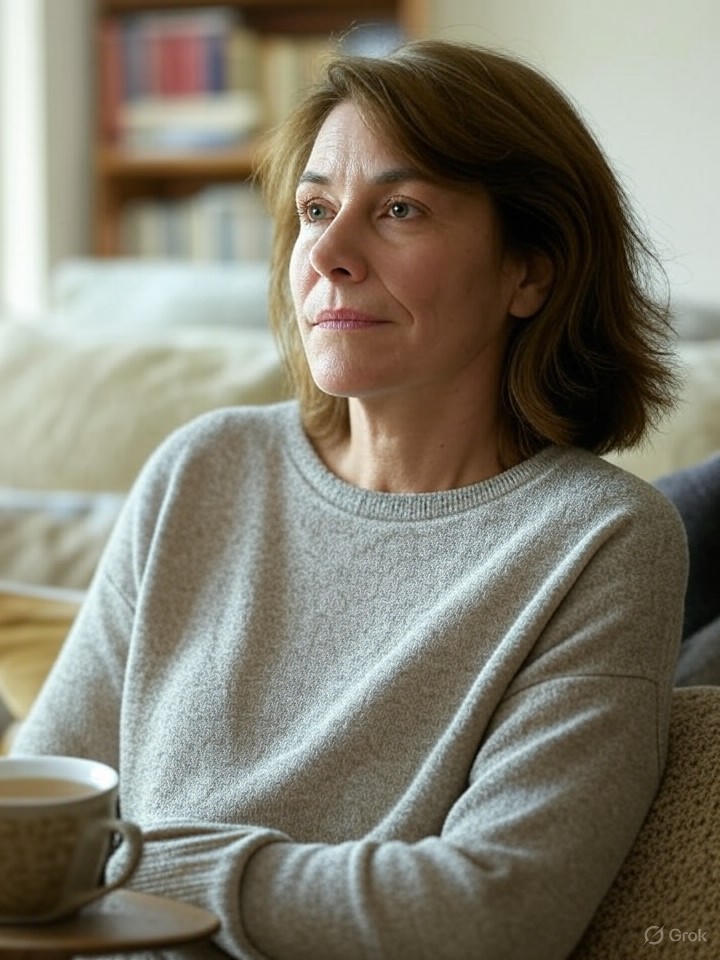
Menopause marks the end of menstrual cycles and a natural transition into a new phase of life for women, typically occurring between ages 45 and 55, with the average around 51. It's not an illness but a biological shift driven by declining estrogen and progesterone levels. If you're experiencing it—or supporting someone who is—you might feel overwhelmed by symptoms like hot flashes, mood swings, or sleep disruptions. The good news? Knowledge is power. This article breaks down what to expect, how to manage it, and steps to embrace this stage with confidence.
Understanding the Stages of Menopause
Menopause isn't a single event; it's a process with three key phases:
- Perimenopause: The lead-up, often starting in your 40s. Periods become irregular, and symptoms like hot flashes and fatigue emerge. This can last 4–10 years.
- Menopause: Officially diagnosed after 12 consecutive months without a period.
- Postmenopause: The years after, where symptoms may ease, but long-term health risks like osteoporosis rise.
Common symptoms include:
- Hot flashes and night sweats (affecting up to 80% of women)
- Vaginal dryness and discomfort during sex
- Mood changes, anxiety, or brain fog
- Sleep disturbances
- Weight gain, especially around the midsection
- Thinning hair and dry skin
Not everyone experiences all symptoms, and their intensity varies due to genetics, lifestyle, and health history.
Health Considerations and Risks
Estrogen decline impacts multiple systems:
- Bone Health: Increased risk of osteoporosis; aim for 1,200 mg calcium and 600–800 IU vitamin D daily.
- Heart Health: Postmenopausal women face higher cardiovascular risks; focus on cholesterol management.
- Urinary and Sexual Health: Weakened pelvic floor can lead to incontinence or painful intercourse.
- Mental Health: Hormonal shifts can exacerbate depression or anxiety.
Regular check-ups are crucial. Discuss bone density scans (DEXA) if you're at risk, and monitor blood pressure and cholesterol.
Lifestyle Strategies for Relief
Many women manage symptoms effectively without medication through simple changes:
Diet and Nutrition
- Eat phytoestrogen-rich foods like soy, flaxseeds, and legumes to mimic estrogen mildly.
- Prioritize omega-3s (salmon, walnuts) for mood and inflammation.
- Limit caffeine, alcohol, and spicy foods to reduce hot flashes.
- Stay hydrated and maintain a balanced diet to support weight management.
Exercise
- Aim for 150 minutes of moderate activity weekly: walking, yoga, or strength training.
- Weight-bearing exercises (jogging, dancing) build bone density.
- Pelvic floor exercises (Kegels) help with bladder control.
Sleep and Stress Management
- Create a cool bedroom environment for night sweats.
- Practice mindfulness, meditation, or deep breathing.
- Cognitive behavioral therapy (CBT) is effective for hot flashes and insomnia.
Intimacy Tips
- Use water-based lubricants or moisturizers for vaginal dryness.
- Explore non-hormonal options like ospemifene (prescription) or laser therapies.
Medical Treatments and Alternatives
If lifestyle tweaks aren't enough, talk to your doctor:
- Hormone Replacement Therapy (HRT): Effective for hot flashes and bone protection, but weigh risks like blood clots (lowest with transdermal patches). Best started early.
- Non-Hormonal Options: SSRIs (e.g., paroxetine), gabapentin, or fezolinetant (Veozah) for hot flashes.
- Supplements: Black cohosh, evening primrose oil, or red clover show mixed evidence—consult a pro to avoid interactions.
- Emerging Therapies: Acupuncture and hypnosis have helped some women.
Personalize your plan; what works varies.
Busting Myths
- Myth: Menopause means the end of sex or vitality. Fact: Libido can rebound, and many report increased freedom.
- Myth: All women need HRT. Fact: It's not one-size-fits-all.
- Myth: Symptoms last forever. Fact: Most peak in the first 2 years postmenopause.
When to Seek Professional Help
See a doctor if:
- Symptoms severely impact daily life.
- You have heavy bleeding, unusual discharge, or chest pain.
- Family history of breast cancer, clots, or osteoporosis.
A menopause specialist (find via The Menopause Society) can provide tailored advice.
Embracing the Next Chapter
Menopause is a gateway to wisdom, energy redirection, and liberation from cycles. Many women report feeling empowered, with clearer focus and renewed purpose. Track symptoms in a journal, connect with support groups, and celebrate your resilience. You've got this—now what? Live vibrantly.
Helpful Resources
- Mayo Clinic: Menopause Overview - https://www.mayoclinic.org/diseases-conditions/menopause/symptoms-causes/syc-20353397
- National Institute on Aging: Menopause - https://www.nia.nih.gov/health/menopause/what-menopause
- The Menopause Society: Find a Specialist - https://menopause.org/for-women
- North American Menopause Society: Hot Flashes Treatment - https://www.menopause.org/for-women/expert-answers-to-common-menopause-questions
- Harvard Health: Managing Menopause - https://www.health.harvard.edu/womens-health/managing-menopause