Home decor to ease the menopausal mind
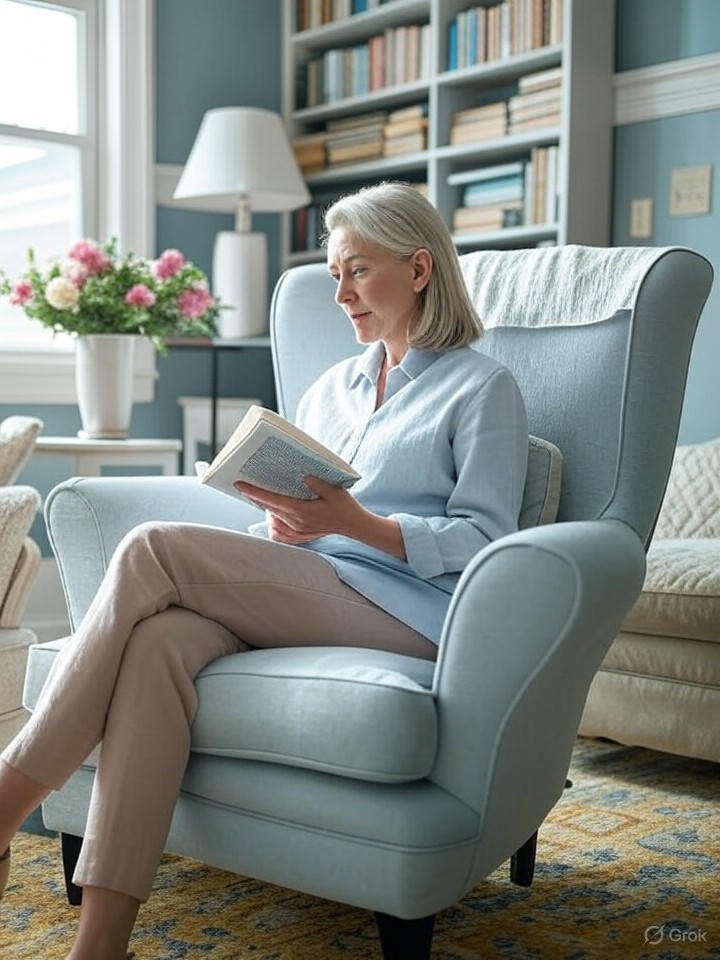
Menopause brings a whirlwind of physical and emotional changes—hot flashes, night sweats, anxiety, sleep disturbances, and mood swings can make daily life feel overwhelming. While medical advice and lifestyle adjustments are essential, your home environment plays a crucial role in fostering calm and comfort. Thoughtful home decor can create a soothing sanctuary that supports mental well-being during this transition. By incorporating elements that regulate temperature, reduce stress, and promote relaxation, you can transform your space into a haven for the menopausal mind.
Embrace Cooling and Calming Colors
Color psychology is a powerful tool for mood regulation. During menopause, opt for hues that evoke tranquility and combat the overstimulation caused by hormonal fluctuations.
- Soft blues and greens: These colors mimic nature's calming effect, lowering cortisol levels and easing anxiety. Paint bedroom walls in pastel seafoam or sage green.
- Neutrals with a twist: Warm grays, beiges, and soft lavenders provide a neutral base while avoiding stark whites that can feel clinical. Add accents like muted terracotta for subtle warmth.
- Avoid reds and oranges: These energizing tones can exacerbate hot flashes and irritability—reserve them for small, controlled accents elsewhere in the home.
A study from the Journal of Environmental Psychology highlights how cool tones reduce perceived stress, making them ideal for menopausal spaces.
Optimize Lighting for Better Sleep and Mood
Poor sleep is a hallmark of menopause, often worsened by artificial light disrupting melatonin production. Strategic lighting can mimic natural circadian rhythms.
- Dimmable warm LEDs: Install bulbs with a color temperature of 2700K for a cozy glow that promotes relaxation without blue light interference.
- Layered lighting: Combine ambient overhead lights with task lamps and bedside reading lights. Use smart bulbs controllable via apps for pre-bed wind-down routines.
- Blackout solutions: Sheer curtains for daytime diffusion paired with heavy blackout shades at night help regulate sleep cycles disrupted by night sweats.
Research from the Sleep Foundation shows that proper lighting can improve sleep quality by up to 20%, directly benefiting cognitive function and emotional stability.
Soothing Textures and Fabrics for Sensory Comfort
Hormonal shifts heighten sensitivity to touch, so prioritize hypoallergenic, breathable materials that feel luxurious against the skin.
- Bamboo and linen bedding: Moisture-wicking and temperature-regulating, these fabrics prevent night sweats while feeling soft and lightweight.
- Plush throws and cushions: Layer with organic cotton or faux fur in neutral tones for a tactile hug that combats chills or anxiety.
- Rugs and upholstery: Wool or sisal rugs ground the space, absorbing sound and adding warmth without trapping heat.
These choices not only comfort the body but also signal safety to the brain, reducing fight-or-flight responses common in perimenopause.
Integrate Aromatherapy and Nature Elements
Scent and greenery can anchor the mind, drawing on evolutionary preferences for natural environments.
- Essential oil diffusers: Place reed diffusers or ultrasonic models with lavender, chamomile, or clary sage in living areas—these scents lower anxiety and improve sleep per aromatherapy studies.
- Indoor plants: Low-maintenance options like snake plants or peace lilies purify air, boost oxygen, and lower blood pressure. Hang them in macramé holders for a bohemian touch.
- Wood and stone accents: Teak trays, marble coasters, or pebble art introduce earthy textures that ground scattered thoughts.
The American Psychological Association notes that biophilic design—incorporating nature—reduces stress hormones significantly.
Declutter and Create Personal Retreats
Mental clutter mirrors physical clutter, amplifying menopausal brain fog. Simplify to create flow.
- Minimalist storage: Use lidded baskets or built-ins to hide essentials, keeping surfaces clear for mindfulness practices.
- Cozy nooks: Designate a "menopause meditation corner" with a comfortable chair, side table for journals, and soft lighting.
- Personalized art: Hang abstract prints or photos evoking joy—avoid busy patterns that overwhelm.
Feng Shui principles emphasize that open spaces promote chi flow, enhancing mental clarity.
Conclusion
Tailoring your home decor to menopause's unique challenges isn't about overhauling everything—small, intentional changes can profoundly ease the mind. Start with your bedroom as ground zero, then expand to living spaces. Personalize based on your triggers: if hot flashes dominate, prioritize cooling elements; for anxiety, focus on scents and softness. Consult a doctor for symptoms, but let your home become an active ally in this phase. With these tweaks, you'll cultivate peace, one room at a time.
Recommended Resources and Links
- Menopause and Home Environment Tips - Mayo Clinic
- Color Psychology for Stress Relief - Verywell Mind
- Best Bedding for Hot Flashes - Sleep Foundation
- Aromatherapy for Menopause - National Center for Complementary and Integrative Health
- Biophilic Design Guide - American Psychological Association