How does the winter months affect the menopausal women during her day to day tasks
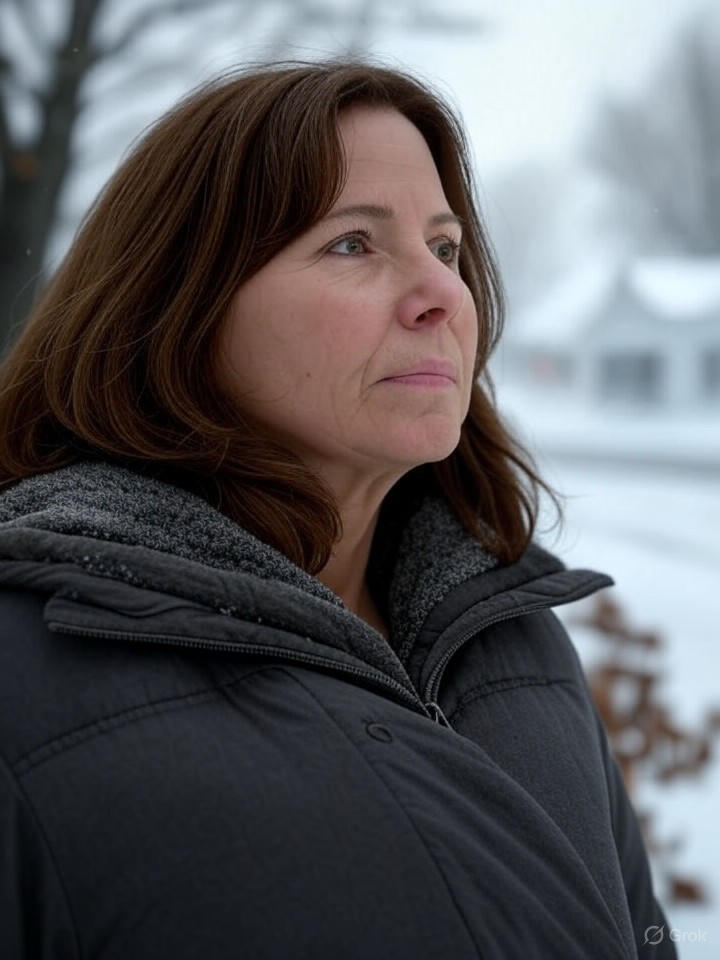
Menopause brings a host of physical and emotional changes, including hot flashes, mood swings, joint pain, fatigue, and sleep disturbances. While these symptoms can be challenging year-round, the winter months often intensify them due to cold temperatures, shorter days, dry air, and reduced sunlight. For many women in perimenopause or postmenopause, this seasonal shift turns routine daily tasks—like getting dressed, cooking, exercising, or even commuting to work—into unexpected hurdles. Understanding these effects can empower women to adapt and maintain their quality of life.
Exacerbated Hot Flashes and Temperature Dysregulation
One of the hallmark symptoms of menopause, hot flashes affect up to 80% of women and can strike unpredictably. In winter, the contrast between chilly outdoor air and sudden internal heat waves creates chaos.
- Impact on daily tasks: Dressing becomes a strategic challenge. Layering for cold weather is essential, but a hot flash can leave women overheating and sweaty under heavy coats or sweaters, making errands like grocery shopping or walking the dog uncomfortable and exhausting. At home, tasks like preparing meals near a warm stove can trigger episodes, leading to pauses in cooking or cleaning.
- Night sweats compound the issue: Cold nights followed by drenching sweats disrupt sleep, resulting in daytime fatigue that hampers concentration during work calls, driving, or household chores.
Worsened Joint Pain and Mobility Challenges
Menopausal hormonal shifts often lead to joint stiffness and aches, mimicking arthritis. Cold, damp winter weather is a known aggravator, constricting blood vessels and increasing inflammation.
- Impact on daily tasks: Simple activities like gardening (even indoor plants), vacuuming, or climbing stairs feel more laborious. Outdoor tasks such as shoveling snow or fetching mail become painful ordeals, potentially leading to falls or injuries. Many women report reduced motivation for exercise, like yoga or walking, perpetuating a cycle of stiffness and low energy.
Mood Swings and Seasonal Affective Disorder (SAD)
Shorter winter days mean less natural light, which can trigger or worsen SAD—a form of depression linked to reduced serotonin. Combined with menopause-related hormone fluctuations, this amplifies irritability, anxiety, and brain fog.
- Impact on daily tasks: Socializing feels draining; holiday gatherings might overwhelm rather than uplift. Work productivity dips with difficulty focusing on emails or meetings. Even self-care routines like meal prepping or laundry pile up, fostering feelings of overwhelm and isolation.
Dry Skin, Vaginal Dryness, and Immune Strain
Winter's low humidity dries out skin and mucous membranes, exacerbating menopausal vaginal atrophy and general dryness. Colder weather also stresses the immune system, increasing cold and flu susceptibility.
- Impact on daily tasks: Itchy, cracked skin distracts during desk work or crafting hobbies. Intimate daily hygiene or exercise (like Pilates) becomes uncomfortable. Frequent illnesses mean more sick days, disrupting routines like childcare or professional commitments.
Sleep Disruptions and Fatigue Cascade
Poor sleep from night sweats, cold rooms, or SAD leads to chronic tiredness, a top complaint among menopausal women.
- Impact on daily tasks: Morning grogginess delays starting the day—brushing teeth or making coffee feels monumental. Afternoon slumps affect afternoon shifts, parenting, or volunteering, creating a ripple effect on productivity and relationships.
Practical Tips for Managing Winter Menopause Challenges
While winter can't be avoided, proactive strategies help:
- Dress in layers: Use moisture-wicking fabrics and breathable wool for hot flash-friendly warmth.
- Stay active indoors: Opt for gentle exercises like swimming pools or home workouts to combat joint pain.
- Boost light exposure: Use a light therapy box, take vitamin D supplements (after consulting a doctor), and prioritize midday walks.
- Hydrate and moisturize: Drink warm herbal teas and use humidifiers to counter dryness.
- Hormone therapy or alternatives: Discuss options like low-dose HRT, SSRIs, or lifestyle changes with a healthcare provider.
- Routine anchors: Schedule short, achievable tasks to build momentum and combat mood dips.
Conclusion
Winter doesn't have to derail menopausal women from their daily lives, but its unique stressors demand tailored coping. By recognizing how cold weather amplifies symptoms, women can implement small adjustments for greater comfort and resilience. Consulting a menopause specialist can provide personalized guidance, ensuring the season feels manageable rather than overwhelming.
Recommended Resources
- North American Menopause Society: Menopause and Cold Weather
- Mayo Clinic: Hot Flashes and Menopause
- National Institute on Aging: Menopause and Mood
- Harvard Health: Winter Woes for Joint Pain
- Cleveland Clinic: Seasonal Affective Disorder in Menopause