Has Pilates assisted with any symptoms of Menopause
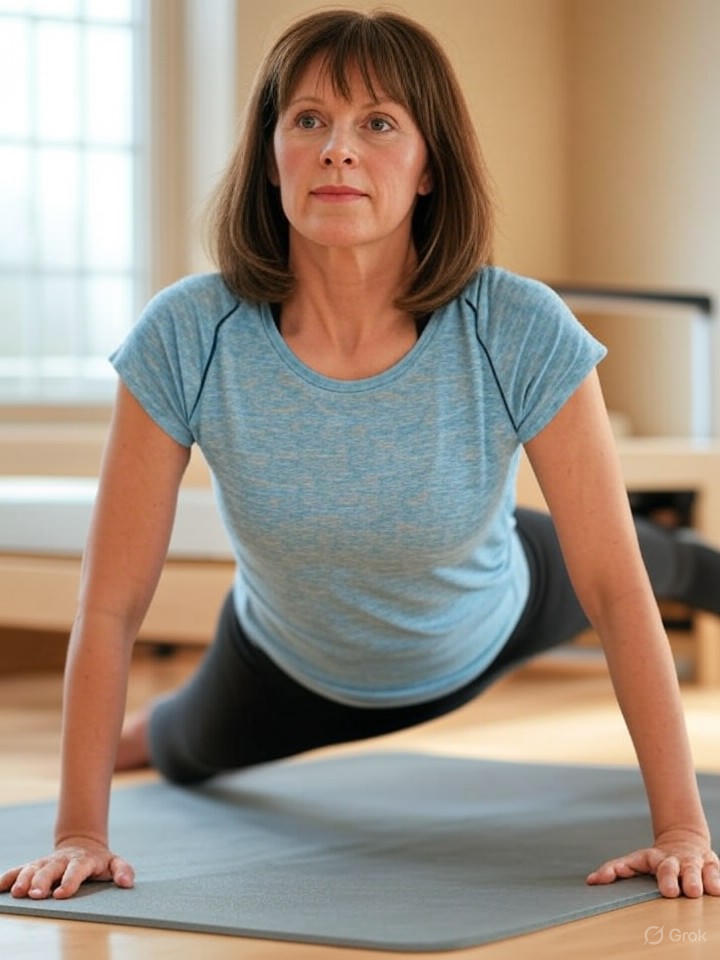
Menopause marks a significant transition in a woman's life, typically occurring between ages 45 and 55, when estrogen levels decline and trigger a range of symptoms. Hot flashes, night sweats, mood swings, weight gain, joint pain, sleep disturbances, and reduced bone density are common complaints that can disrupt daily life. While hormone therapy and medications offer relief for some, many women seek natural alternatives. Enter Pilates—a low-impact exercise system developed by Joseph Pilates in the early 20th century, emphasizing core strength, flexibility, posture, and controlled breathing. Emerging research and anecdotal evidence suggest Pilates may alleviate several menopause symptoms, making it a gentle yet effective addition to a wellness routine.
The Science Behind Pilates and Menopause Relief
Pilates works by engaging deep stabilizing muscles, improving circulation, and incorporating mindfulness elements that reduce stress. Studies indicate it can target menopause-specific issues:
Reducing Hot Flashes and Night Sweats
Hot flashes affect up to 80% of menopausal women. While no exercise eliminates them entirely, Pilates' focus on breath control and relaxation techniques may mitigate their intensity. A 2020 study in the Journal of Bodywork and Movement Therapies found that women practicing Pilates for 12 weeks experienced fewer and less severe hot flashes, attributing this to enhanced parasympathetic nervous system activity, which cools the body's stress response.
Easing Mood Swings and Anxiety
Hormonal fluctuations often lead to irritability, depression, and anxiety. Pilates promotes endorphin release and mindfulness, acting like a natural antidepressant. Research from the Menopause journal (2018) showed that postmenopausal women who did Pilates twice weekly for eight weeks reported significant improvements in anxiety scores and overall quality of life, comparable to yoga's effects.
Combating Weight Gain and Muscle Loss
Metabolism slows during menopause, leading to abdominal fat accumulation. Pilates strengthens the core and boosts lean muscle mass without high-impact strain. A randomized controlled trial in Complementary Therapies in Clinical Practice (2019) demonstrated that Pilates participants lost more visceral fat and improved body composition than a control group, aiding weight management.
Strengthening Bones and Joints
Osteoporosis risk rises post-menopause due to estrogen loss. Weight-bearing Pilates exercises (especially on reformers or mats with props) enhance bone density. A 2021 meta-analysis in Osteoporosis International confirmed that Pilates significantly increases bone mineral density in the spine and hips, reducing fracture risk. It also alleviates joint stiffness and back pain through better posture and flexibility.
Improving Sleep and Energy Levels
Insomnia plagues many during perimenopause. Pilates' rhythmic movements and deep breathing foster better sleep hygiene. Participants in a Turkish study (Climacteric, 2017) slept longer and reported higher energy after a 12-week program.
Real-World Testimonials and Expert Insights
Beyond studies, women worldwide share success stories. Forums like Menopause Matters and Pilates studios report clients feeling "stronger and more balanced" after regular sessions. Experts such as Dr. Aviva Romm, a Yale-trained physician specializing in women's health, endorse Pilates for its "holistic approach to rebuilding strength lost during hormonal shifts."
Certified instructors recommend starting with mat Pilates (no equipment needed) for beginners, progressing to reformer classes for deeper work. Sessions of 30-45 minutes, 2-3 times weekly, yield noticeable benefits within 4-6 weeks.
Precautions and Getting Started
Pilates is adaptable for all fitness levels, but consult a healthcare provider before starting, especially with conditions like osteoporosis or severe joint issues. Opt for instructors trained in pre- and post-natal or menopausal modifications. Combine with a balanced diet, adequate sleep, and stress management for optimal results—it's not a standalone cure but a powerful tool.
Conclusion
Pilates offers tangible relief for menopause symptoms by fortifying the body and calming the mind. Backed by growing evidence, it's a sustainable, empowering practice that enhances well-being without the side effects of some pharmaceuticals. If you're navigating the "change," rolling out a mat could be your next best step toward feeling vibrant again.
Recommended Resources
- Journal of Bodywork and Movement Therapies: Pilates for hot flashes
- Menopause Journal: Effects on anxiety and quality of life
- Complementary Therapies in Clinical Practice: Body composition study
- Osteoporosis International: Bone density meta-analysis
- Pilates Method Alliance: Menopause-specific routines
- Mayo Clinic: Exercise during menopause
- Harvard Health: Pilates benefits