Unlocking the Muse: Creative Writing Exercises for Every Writer
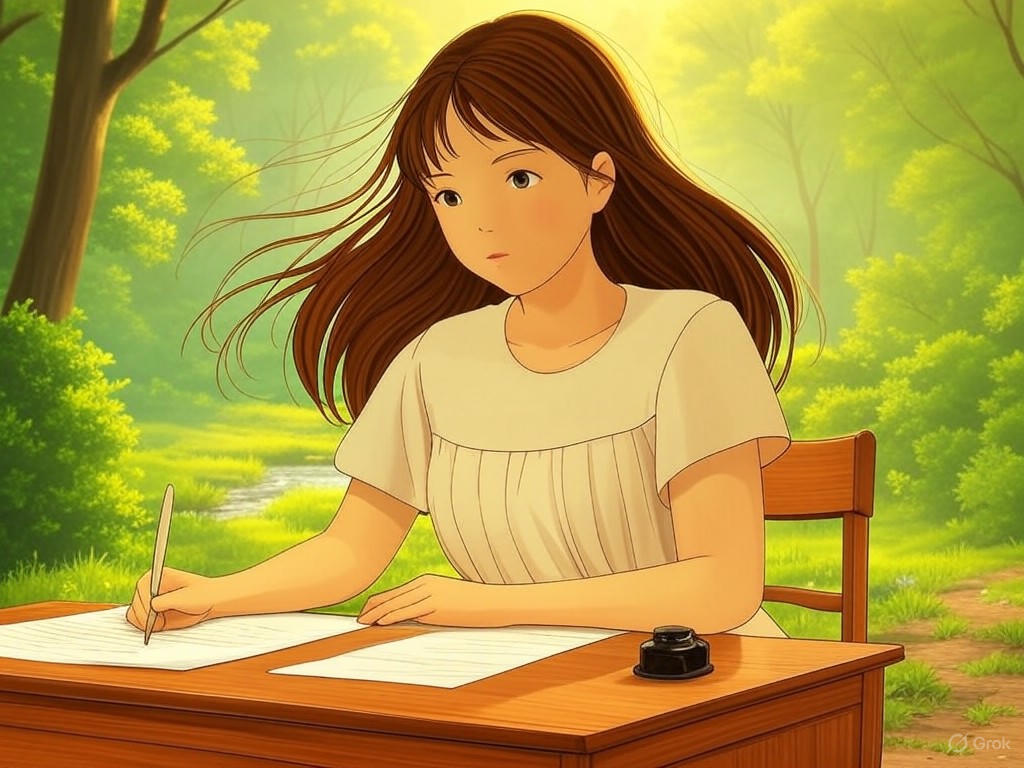
Writing is an art form that thrives on creativity, imagination, and the ability to convey emotion through words. However, even the most seasoned writers can sometimes find themselves facing the daunting white page or screen, unsure of where to begin or how to proceed. Here are some creative writing exercises designed to stimulate your imagination, enhance your writing skills, and help you unlock the muse within:
1. The Sensory Exploration
Start by selecting an everyday object, like a coffee mug or a leaf. Write a detailed description focusing solely on one sense at a time:
- Sight: Describe its colors, shapes, textures, and any visual peculiarities.
- Sound: What sounds does it make? (e.g., the clink of a mug against a saucer, the rustle of a leaf in the wind).
- Smell: Does it have an aroma? How would you describe it?
- Touch: What does it feel like to the touch? Is it rough, smooth, warm, or cold?
- Taste: If applicable, how does it taste? If not, imagine a scenario where it could.
This exercise not only improves your descriptive writing but also helps in connecting with the physical world in a more intimate way.
2. The Memory Trigger
Think of a vivid memory from your past. Now, write about this memory but change one significant detail. Perhaps alter the location, the time of day, or a key person involved. Explore how this change impacts the narrative:
- How does the story unfold differently?
- What new emotions or reactions are elicited?
- How does this new scenario affect the characters?
This exercise encourages flexibility in narrative structure and can lead to surprising and innovative storytelling.
3. Dialogue Only
Write a scene using only dialogue. This can be an argument, a heartfelt conversation, or a mundane exchange that reveals character traits or backstory. The challenge here is to convey all necessary information:
- Who the characters are.
- Where they are.
- Their relationship dynamics.
- The mood or atmosphere of the scene.
This exercise sharpens your dialogue skills and forces you to show rather than tell, a crucial aspect of engaging writing.
4. The Unlikely POV
Choose an inanimate object or a non-human character (like an animal, a tree, or even a piece of furniture) and write from its perspective. Consider:
- What does this entity think or feel about its surroundings?
- How does it perceive humans or other beings interacting with it?
This exercise stretches your imagination, helping you to see the world from perspectives you might never consider otherwise.
5. The Word Association Chain
Start with a random word. Write it down and then write the first word that comes to mind associated with it. Continue this chain for 10-20 words. Now, use this chain as a prompt to create a short story or poem:
- How can these seemingly unrelated words weave together into a cohesive narrative?
This method can lead to unexpected themes and plots, sparking creativity through seemingly random connections.
6. The Flash Fiction Challenge
Limit yourself to exactly 100 words. Craft a complete story with a beginning, middle, and end. This forces you to:
- Be concise and precise with your language.
- Focus on the core elements of your story.
Flash fiction is an excellent exercise for editing skills, teaching you to cut unnecessary words and focus on the essence of your tale.
Conclusion
Creative writing exercises are not just about overcoming writer's block; they are about expanding your horizons as a writer. They encourage you to explore new styles, delve into different narratives, and refine your craft. Whether you're a budding author or a seasoned novelist, these exercises can reignite your passion for writing, helping you to see the world through the lens of your muse. Remember, every word you write, every scenario you imagine, brings you one step closer to unlocking the full potential of your creative voice. Keep writing, keep exploring, and let your muse lead the way.