Navigating the New Normal: Real Estate Market Trends Post-Pandemic
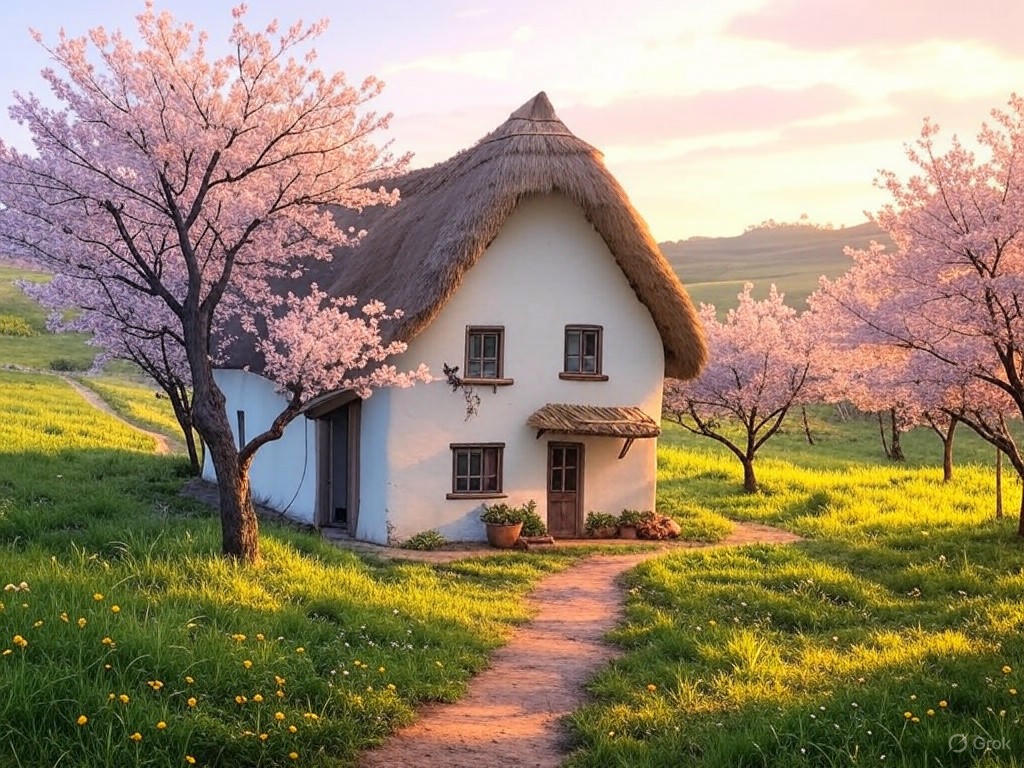
The global real estate landscape has undergone significant transformations in the wake of the COVID-19 pandemic. As we adapt to the 'new normal', several trends have emerged that are reshaping how we think about living spaces, work environments, and investment opportunities. This article explores the key trends in the real estate market post-pandemic, offering insights into what buyers, sellers, investors, and developers can expect moving forward.
1. Shift Towards Suburban and Rural Areas
One of the most noticeable trends has been the migration from urban centers to suburban and rural areas. The lockdown experiences have prompted many to reconsider the benefits of city life versus the space and tranquility offered by less densely populated areas:
- Space and Privacy: The need for more space, both for living and working, has driven demand for homes with gardens, larger yards, or even properties that can accommodate home offices or gyms.
- Remote Work Flexibility: With remote work becoming standard for many, proximity to city centers has become less critical, allowing people to explore housing options further afield.
2. Rise of Smart Homes
The integration of technology into homes has accelerated:
- Home Automation: Smart home technologies for security, energy efficiency, and comfort are becoming baseline expectations rather than luxury add-ons.
- Health and Safety: Features like touchless entry systems, air purification, and UV light sanitation are gaining popularity due to health concerns.
3. Commercial Real Estate Adaptations
The commercial sector has seen a significant shift:
- Flexible Office Spaces: As companies rethink their office needs, there's a growing demand for flexible, scalable office solutions that can adapt to changing workforce sizes and remote work policies.
- Retail Transformation: Traditional retail has pivoted towards mixed-use developments, integrating residential, office, and entertainment spaces to create vibrant, multi-functional environments.
4. Sustainability and Green Building
Sustainability has moved from a trend to a necessity:
- Green Certifications: Properties with LEED or similar green certifications are not only more attractive to buyers but often command a premium.
- Energy Efficiency: Solar panels, efficient HVAC systems, and sustainable materials are becoming standard features in new developments.
5. Investment Opportunities
The real estate investment landscape has also evolved:
- Short-term Rentals: With travel restrictions easing, there's a resurgence in interest in properties suitable for short-term rentals, especially in vacation spots.
- Real Estate Crowdfunding: This has democratized real estate investment, allowing smaller investors to participate in larger projects.
6. Regulatory Changes
Governments and local authorities are adapting regulations:
- Zoning Laws: Changes are being made to allow for more flexible use of residential properties, like allowing businesses to operate from home or converting commercial spaces into residential.
- Housing Policies: There's a push towards affordable housing solutions, tax incentives for first-time buyers, and policies encouraging homeownership.
Conclusion
The real estate market post-COVID-19 is not just about recovery but transformation. As society adapts to new ways of living, working, and interacting, the real estate sector must evolve to meet these changing needs. Whether it's through embracing technology, focusing on sustainability, or rethinking the purpose and design of spaces, the trends outlined here suggest a vibrant, adaptive future for real estate. For stakeholders in this sector, understanding and leveraging these trends will be key to navigating the new normal successfully.