The Ultimate Guide to Understanding Your Hair Type
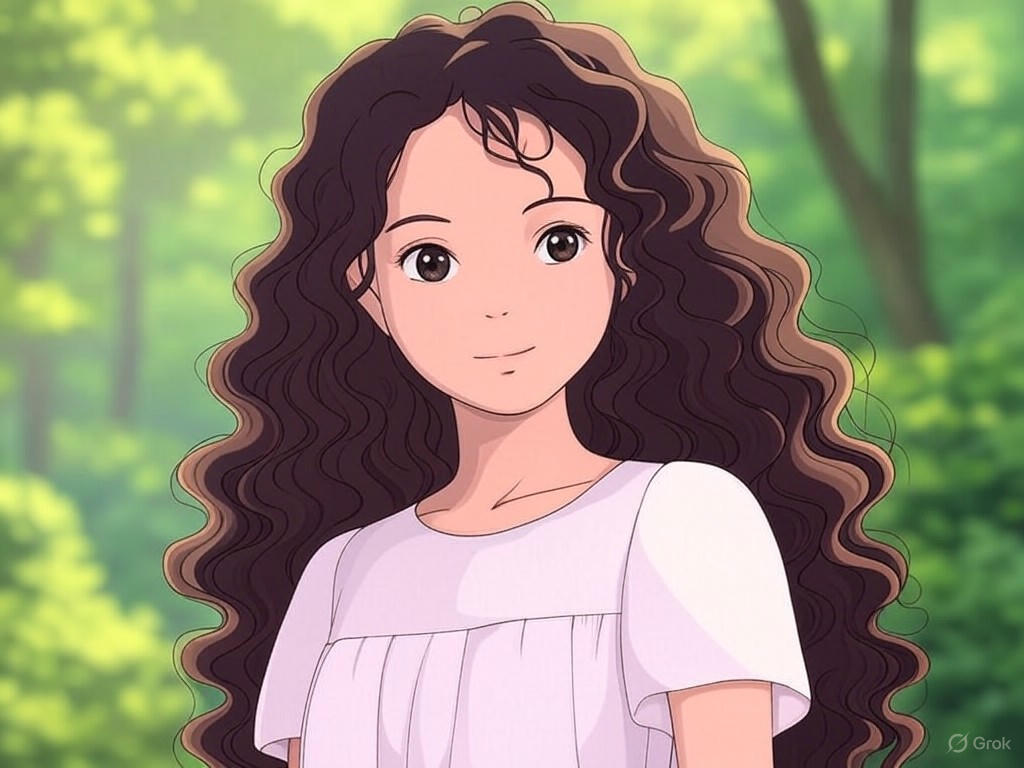
Understanding your hair type is crucial not only for choosing the right hair care products but also for maintaining healthy, vibrant hair. Here's a comprehensive guide to help you identify and care for your unique hair type.
#### 1. Identify Your Hair Texture
Hair texture refers to the natural shape or pattern of your hair. Here are the primary textures:
- Straight (Type 1): This hair lies flat from the roots to the ends. It can be fine, medium, or coarse but usually reflects light easily due to its straight nature, making it appear shiny.
- Wavy (Type 2): Wavy hair has an "S" shape pattern and can range from slight waves to more defined curls. It's typically thicker than straight hair but can be fine, medium, or coarse.
- Curly (Type 3): Curly hair forms distinct ringlets or spirals. The curls can be loose, medium, or tight, and this hair type tends to be drier due to the natural oils from the scalp having difficulty traveling down the hair shaft.
- Coily or Kinky (Type 4): This hair type features tight, zig-zag curls or coils. It has a lot of shrinkage and can be very dense, leading to a need for deep conditioning and moisture.
#### 2. Determine Your Hair's Density
Hair density refers to how many hairs you have per square inch of scalp:
- Low Density: If you can easily see your scalp through the hair, you likely have low density. This type of hair can look sparse or thin.
- Medium Density: A balanced amount of hair, where the scalp is visible but not overly apparent.
- High Density: Your hair looks thick because there are many strands per square inch. This can make your hair appear fuller.
#### 3. Assess Your Hair Porosity
Porosity describes how well your hair can absorb and retain moisture:
- Low Porosity: Hair that repels water, taking longer to get wet or absorb conditioners. It also dries slowly.
- Medium Porosity: Hair that absorbs and retains moisture well, making it relatively easy to manage.
- High Porosity: Hair that absorbs water quickly but loses moisture just as fast. This can lead to dryness, frizz, and breakage.
#### 4. Consider Your Hair's Elasticity
Elasticity is how well your hair can stretch and return to its original shape:
- Good Elasticity: Hair stretches when wet and returns to its original shape without breaking. This indicates healthy hair.
- Poor Elasticity: If the hair stretches but does not return to its original state or breaks, it suggests damage or lack of moisture.
#### 5. Tailor Your Hair Care Routine
Once you've identified these characteristics:
- For Straight Hair: Focus on products that add volume or texture, as straight hair can sometimes look flat. Lightweight conditioners and serums can help.
- For Wavy Hair: Use products that define curls without weighing hair down. Avoid heavy oils or silicones that can flatten waves.
- For Curly Hair: Moisture is key. Use leave-in conditioners, curl creams, and avoid sulfates which can strip natural oils.
- For Coily Hair: Deep conditioning treatments, oils, and butters are essential. Look for products that offer slip for detangling and hydration.
- Based on Porosity: Low porosity hair benefits from heat (like steam from a shower) to open cuticles for product penetration. High porosity hair requires products that seal moisture in, like heavier butters or oils.
- Elasticity Care: Use protein treatments to improve elasticity in hair that lacks it, but balance with moisture to prevent becoming too brittle.
#### Conclusion
Understanding your hair type isn't just about vanity; it's about nurturing your hair's health. By recognizing your hair's unique characteristics, you can tailor your hair care routine for optimal health, growth, and beauty. Remember, hair type can change due to age, hormones, or damage, so reassess your hair care needs periodically. With the right knowledge and products, you can enhance your hair's natural beauty and keep it looking its best.