Sacred Spaces: Designing Your Personal Sanctuary
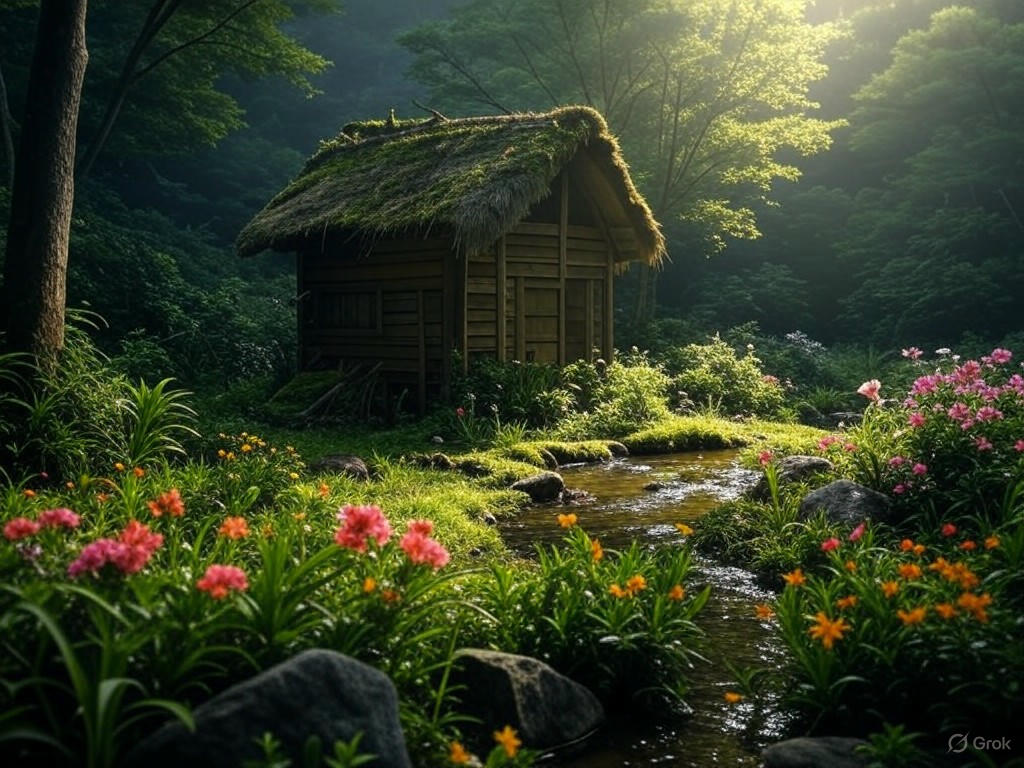
Understanding the Purpose
Before diving into the aesthetics, consider what you want from your sacred space. Is it a place for meditation, prayer, yoga, reading, or simply a spot for quiet reflection? The purpose will guide your design choices:
- Meditation or Prayer: Soft lighting, minimal distractions, and perhaps an altar or focal point like a statue, candle, or a piece of art.
- Reading or Creative Work: Comfortable seating, good lighting, and space for books or materials.
- Yoga or Physical Practice: Enough room to move, natural light, and possibly mirrors.
Location and Layout
Choose a location that naturally feels tranquil or can be transformed into such a space:
- Dedicated Room: If space allows, a room solely for this purpose can be ideal.
- Nooks and Corners: A quiet corner of a larger room or an underused space like a small balcony can serve well.
- Portable Spaces: For those with limited space, consider creating a portable sanctuary with items that can be easily stored and set up.
Elements of Design
1. Color and Lighting:
- Use soothing colors like soft blues, greens, or earth tones to calm the mind.
- Natural light is best, but if that’s not possible, opt for warm, dimmable lights. Candles or salt lamps can also add to the ambiance.
2. Nature's Touch:
- Incorporate plants for life energy and cleaner air. Consider plants like peace lilies or ferns which thrive in lower light conditions.
- Use natural materials like wood, stone, or bamboo for furniture and decor.
3. Soundscapes:
- Silence can be golden, but sometimes ambient sounds like water features, wind chimes, or soft music can enhance the tranquility.
4. Personal Artifacts:
- Fill the space with items that have personal significance or spiritual importance. This could be art, photographs, or symbolic objects.
5. Comfort:
- Ensure the space is comfortable with cushions, rugs, or a comfortable chair. Comfort aids in relaxation and prolonged stays.
6. Aromatherapy:
- Use essential oils or incense to engage your sense of smell, which can deeply affect mood and relaxation. Scents like lavender, sandalwood, or jasmine work well.
Creating Rituals
A sacred space isn't just about physical design; it's also about how you use it:
- Daily Practices: Establish rituals like morning meditation, evening reflection, or a specific time for reading or prayer.
- Mindful Transition: Have a way to signal the transition into your sacred time, perhaps by lighting a candle, ringing a bell, or changing into different attire.
Maintenance and Evolution
Like any space, your sanctuary will need care:
- Clean and Refresh: Regularly clean and perhaps rearrange elements to keep the space feeling fresh.
- Adapt: As your needs change, allow your sanctuary to evolve. What served you well in one phase of life might need adjustment in another.
Conclusion
Designing a personal sanctuary is an act of self-care, an acknowledgment of the need for peace in our lives. It doesn't have to be grand or expensive; it just needs to be intentional. By creating a space that resonates with your soul, you craft a haven that not only provides respite but also nurtures your growth, creativity, and inner peace. Remember, your sacred space is a reflection of your inner world—make it a place where you can truly be yourself.