The Final Chapter: Understanding the Art of Closure in Literature
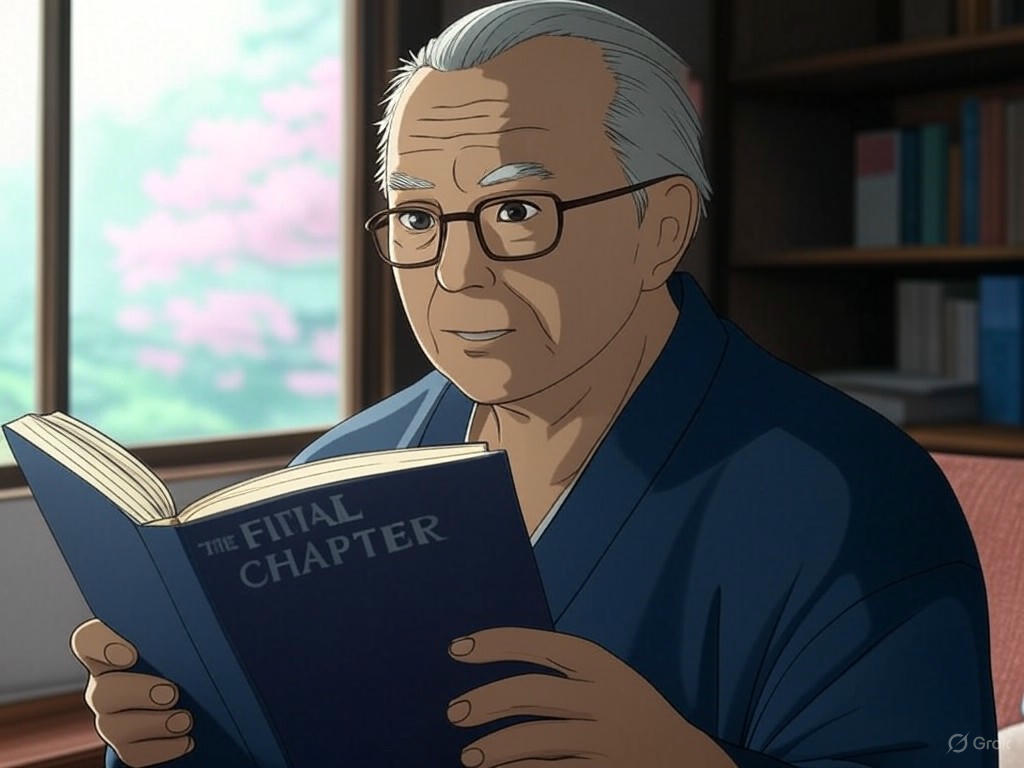
The concept of closure in literature is both an art and a science, pivotal in crafting narratives that resonate with readers long after the last page is turned. Closure, or the resolution of a story, is not merely about concluding the plot but about providing emotional and thematic satisfaction, offering insights, and sometimes, leaving room for reflection or continuation in the reader's mind. Here, we delve into the nuances of crafting the final chapter, exploring how authors achieve this delicate balance.
#### The Role of Closure
Closure serves multiple roles:
1. Resolution: It ties up loose ends, resolving conflicts or mysteries introduced earlier in the narrative. This resolution can be explicit or implied, depending on the genre and style of writing.
2. Emotional Fulfillment: Readers invest emotionally in characters and their journeys. Effective closure ensures that these emotional investments are honored, providing a sense of catharsis or peace.
3. Thematic Reinforcement: The end often reinforces the themes of the story, making sure the message or moral is clear or at least accessible.
4. Reflection: Sometimes, closure prompts readers to reflect on the narrative's broader implications or on their personal lives.
#### Techniques for Achieving Closure
- Full Circle Narrative: Some stories return to where they started, symbolically or literally, providing a sense of completion. This technique can highlight change or growth in characters or situations.
- Epilogues: An epilogue can offer a glimpse into the future, showing the long-term effects of the story's events on characters, thus rounding off their arcs.
- Unanswered Questions: Not all closure needs to answer every question. Leaving some threads open can engage readers, prompting them to think beyond the narrative.
- Symbolism: Using symbols or motifs that recur throughout the story can provide a poetic closure, subtly tying themes together.
- Character Reflection: Characters reflecting on their journey, growth, or realizations can serve as a powerful tool for closure, giving readers insight into their internal world.
#### Examples in Literature
- Jane Austen's 'Pride and Prejudice': Austen uses marriage as a traditional symbol of closure, but the depth comes from Elizabeth Bennet's personal growth and the resolution of misunderstandings.
- J.K. Rowling's 'Harry Potter' Series: The epilogue in "Harry Potter and the Deathly Hallows" provides a neat closure, showing the characters' futures, yet leaves room for the reader's imagination regarding the magical world's continuation.
- F. Scott Fitzgerald's 'The Great Gatsby': The novel's closure is both tragic and reflective, focusing on the impermanence of the American Dream through the lens of Gatsby's life and death.
#### The Challenge of Closure
Crafting the final chapter isn't without its challenges:
- Balancing Expectation and Surprise: While readers might expect resolution, surprising them with how it unfolds can enhance the impact.
- Avoiding Cliché: Overused endings can feel unsatisfying or predictable. Innovating within the structure of closure requires creativity.
- Emotional Depth: Ensuring the end resonates emotionally is perhaps the hardest part. It should feel earned, not rushed or contrived.
- Open vs. Closed Endings: Deciding whether to leave the story open-ended or tightly closed affects how readers will perceive the narrative's completion.
In conclusion, the art of closure in literature is about more than just ending a story; it's about ending it well. It's a craft where the writer must weave together the threads of narrative, theme, character development, and reader expectation into a tapestry that feels complete yet leaves room for the story to live on in the reader's heart and mind. Whether through a poignant epilogue, a full-circle return, or a moment of profound reflection, the final chapter is where literature often leaves its most lasting impression.