The History and Evolution of the Seder Plate
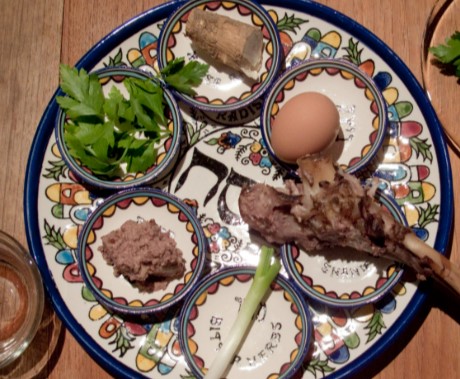
The Seder plate, known in Hebrew as the ke'arah, is one of the most iconic symbols of the Jewish Passover holiday. Placed at the center of the table during the Passover Seder, it holds an array of ritual foods that recount the story of the Exodus from Egypt. Each item on the plate serves as a tangible reminder of the hardships endured by the ancient Israelites and the themes of freedom, redemption, and renewal. But the Seder plate is more than a decorative centerpiece—its history spans millennia, evolving from simple household customs into a richly symbolic tradition shaped by rabbinic scholarship, cultural influences, and artistic innovation.
Ancient Origins: Roots in Biblical and Temple Practices
The origins of the Seder plate trace back to the biblical era, particularly the instructions for the Passover sacrifice outlined in the Book of Exodus (12:1-28). During Temple times in ancient Jerusalem, families would roast a lamb or goat and consume it with unleavened bread (matzah) and bitter herbs as part of the Passover offering. While no formal "plate" is mentioned in the Torah, the practice of serving symbolic foods together laid the groundwork.
Archaeological evidence from the Second Temple period (516 BCE–70 CE) suggests that Jews used platters to display ritual items during festive meals. After the Temple's destruction in 70 CE, the sacrificial shank bone (zeroa) on the Seder plate became a poignant substitute for the lost Passover offering, symbolizing both mourning and hope for restoration.
The Talmudic Codification: Formalizing the Tradition
The Seder plate as we know it began to take shape in the Talmudic period (200–500 CE). The Babylonian Talmud, in tractate Pesachim (114a–116b), describes a structured meal with five specific items arranged on a single plate: the shank bone, egg, bitter herbs (maror), a vegetable (karpas), and charoset (a sweet paste representing the mortar used by enslaved Israelites). This arrangement transformed the Seder into a pedagogical tool, where participants could visually and tactilely engage with the Exodus narrative.
Rabbinic sages like Hillel emphasized eating the Paschal lamb with matzah and maror together, influencing the plate's design to facilitate such combinations. By the Geonic period (7th–11th centuries), the ke'arah was a standard feature in Jewish homes, as evidenced in early prayer books like the Siddur Rav Amram Gaon.
Medieval Variations: Sephardic, Ashkenazi, and Regional Differences
During the Middle Ages, the Seder plate evolved with regional customs. Ashkenazi Jews (from Central and Eastern Europe) added a second bitter herb (chazeret) to emphasize the double suffering of slavery—now totaling six items. Sephardic and Mizrahi communities (from Spain, the Middle East, and North Africa) often retained five items, sometimes including an orange in modern liberal traditions to represent marginalized groups, like the inclusion of women or LGBTQ+ individuals in the community.
Medieval illuminated Haggadot (Passover storybooks) from Spain and Italy depict ornate Seder plates made of silver or fine ceramics, reflecting the era's artistic flourishing. Texts like the Mahzor Vitry (12th century) discuss symbolic interpretations, such as the roasted egg (beitzah) representing the Temple's festival offering or life's cyclical renewal.
Persecutions and expulsions, such as the Spanish Inquisition in 1492, led to portable, less ostentatious plates among Sephardim, while in Eastern Europe, elaborate painted wooden or ceramic versions emerged, often featuring biblical scenes.
Modern Adaptations: From Functionality to Artistry
The 19th and 20th centuries brought industrialization and globalization, transforming the Seder plate into a canvas for creativity. Mass-produced silver and porcelain plates from manufacturers like those in Poland and Germany became heirlooms. Holocaust survivors repurposed everyday dishes, infusing them with profound resilience.
Today, the Seder plate reflects contemporary values. Feminist Haggadot feature Miriam's Cup alongside the plate, honoring the prophetess who led the women in song after the Red Sea crossing. Vegan adaptations replace the shank bone and egg with beets or potatoes. Artists like Lali Elias create kinetic Seder plates with rotating compartments, while 3D-printed or eco-friendly versions appeal to younger generations.
In Israel, communal Seders might use oversized plates for large groups, and digital apps now guide users through symbolic explanations.
A Timeless Symbol of Continuity
The Seder plate's evolution—from a humble platter of sacrificial foods to a multifaceted emblem of Jewish memory—mirrors the Jewish people's journey through exile, innovation, and revival. It remains a bridge between past and present, inviting each generation to retell the story of liberation in their own words and flavors. As families gather annually, the ke'arah endures as a testament to the power of ritual in preserving identity.
References and Further Reading
Check what is kosher for passover
- My Jewish Learning: The Seder Plate
- Chabad.org: History of the Seder Plate
- Jewish Virtual Library: Passover Seder
- Tablet Magazine: The Evolution of the Seder Plate
- The Metropolitan Museum of Art: Jewish Ritual Objects