Exploring the Divine Brush: How Spirituality Shapes Modern Art
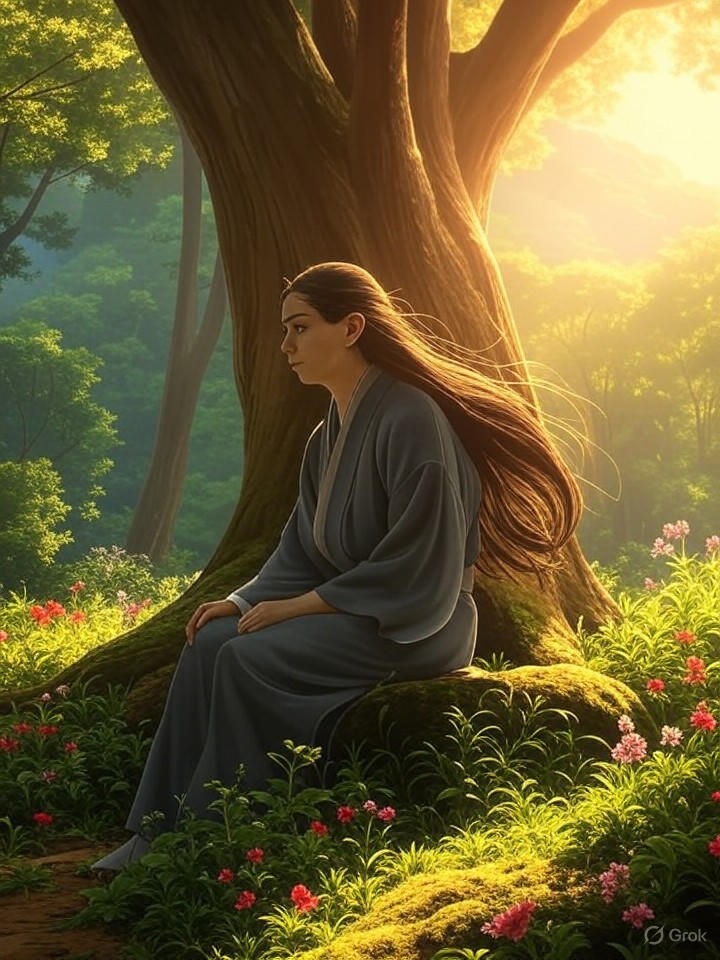
Art has always been a mirror to the human soul, reflecting our deepest emotions, beliefs, and questions about existence. Throughout history, spirituality and religion have been central themes in artistic expression, from the sacred frescoes of the Renaissance to the intricate mandalas of Eastern traditions. In the modern era, while the overt religious iconography of the past may have diminished, spirituality continues to play a profound role in shaping contemporary art. This article explores how spiritual themes and inquiries influence modern artists, driving them to create works that transcend the material world and invite viewers into a dialogue with the divine.
The Historical Intersection of Art and Spirituality
To understand the role of spirituality in modern art, it is essential to acknowledge its historical roots. For centuries, art was inseparable from religious and spiritual contexts. Medieval European art, for instance, was predominantly commissioned by the Church, with artists like Michelangelo and Raphael crafting masterpieces that depicted biblical narratives and divine beings. Similarly, in Asia, Buddhist and Hindu art forms captured the essence of enlightenment and cosmic harmony through sculptures, paintings, and temple architecture.
As the world moved into the modern age, the influence of organized religion on art began to wane with the rise of secularism and the advent of movements like the Enlightenment. Artists started to break free from traditional constraints, experimenting with form, style, and subject matter. However, spirituality did not disappear; it transformed. Rather than adhering to specific religious doctrines, modern artists began exploring broader existential questions—about purpose, the afterlife, and the nature of the human spirit—through abstract and symbolic means.
Spirituality in Modern Art Movements
Modern art, spanning roughly from the late 19th century to the mid-20th century, witnessed the emergence of various movements that grappled with spiritual themes in innovative ways. One of the most notable was Abstract Expressionism, which sought to express the inexpressible. Artists like Mark Rothko and Jackson Pollock used color, form, and texture to evoke emotional and spiritual experiences. Rothko, in particular, believed that his large-scale paintings could create a meditative space for viewers, allowing them to confront profound feelings of awe, tragedy, and transcendence. His works, often composed of vast fields of color, are less about representation and more about evoking a sense of the sublime—an encounter with something greater than oneself.
Similarly, the Surrealist movement, led by figures like Salvador Dalí and René Magritte, explored the subconscious mind and dreamlike states as a pathway to spiritual insight. Surrealists believed that by tapping into the irrational and the mysterious, they could access deeper truths about reality and the human condition. Dalí, for instance, often infused his works with religious symbolism, blending Catholic imagery with surreal distortions to question the boundaries between the sacred and the profane.
Contemporary Artists and the Quest for the Divine
In the contemporary art world, spirituality remains a powerful undercurrent, even as it takes on more diverse and individualized forms. Today’s artists often draw from a wide array of spiritual traditions, personal beliefs, and philosophical inquiries, reflecting the pluralistic nature of modern society. For some, spirituality manifests as a direct engagement with religious themes, while for others, it appears as a more abstract exploration of transcendence, mindfulness, or interconnectedness.
One prominent example is the work of Anish Kapoor, a British-Indian sculptor whose monumental installations often evoke a sense of the infinite. His reflective surfaces, such as in the iconic "Cloud Gate" in Chicago, invite viewers to contemplate their place in the universe, merging the physical with the metaphysical. Kapoor has spoken about the spiritual dimensions of his work, describing art as a means to access the "sublime void"—a space beyond language and logic where profound truths reside.
Another contemporary artist, Marina Abramović, explores spirituality through performance art, often pushing the boundaries of physical and emotional endurance to achieve a state of heightened awareness. In pieces like "The Artist is Present," where she sat silently across from museum visitors for hours, Abramović created a shared space of vulnerability and connection, prompting participants to reflect on presence, mortality, and the essence of being. Her work suggests that spirituality in art is not just about depicting the divine but about creating experiences that awaken the soul.
The Role of Spirituality in a Secular Age
In an increasingly secular world, the persistence of spiritual themes in modern art raises intriguing questions. Why do artists continue to grapple with the divine, even as traditional religious frameworks lose their dominance? One answer lies in the universal human need for meaning. Art, at its core, is a search for understanding—a way to process the mysteries of life, death, and existence. Spirituality, whether tied to a specific faith or a more nebulous sense of wonder, provides a language for these explorations.
Moreover, modern art often serves as a counterbalance to the materialism and rationalism of contemporary life. In a world dominated by technology and consumerism, artists use spirituality to reconnect