Sacred Canvases: The Intersection of Meditation and Painting
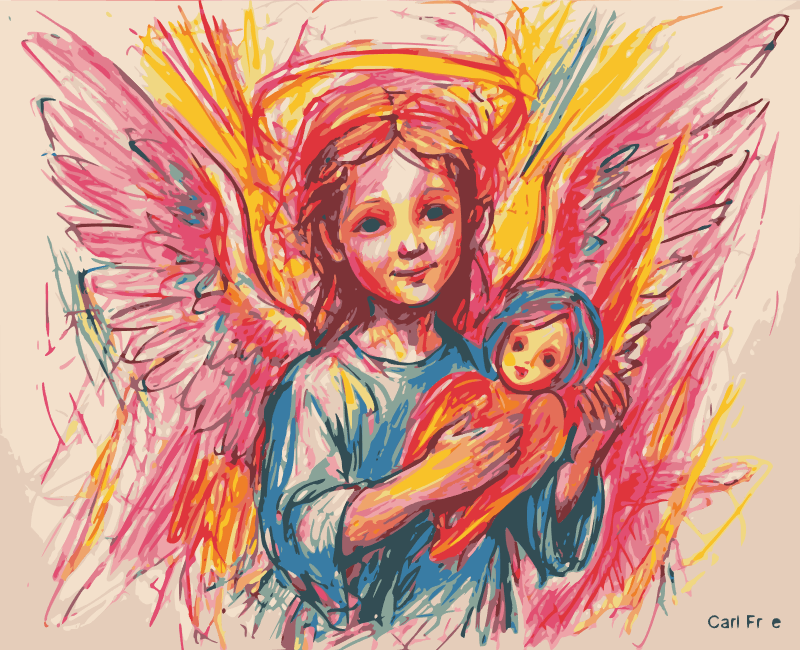
Art and meditation have long been regarded as pathways to inner peace and self-discovery. While painting allows individuals to express their emotions and thoughts through color and form, meditation offers a way to quiet the mind and connect with a deeper sense of being. When these two practices intersect, they create a powerful synergy—a sacred space where creativity and mindfulness merge. This article explores the profound connection between meditation and painting, delving into how they complement each other and the transformative potential they hold for artists and non-artists alike.
The Meditative Nature of Painting
Painting, at its core, is an act of presence. When an artist picks up a brush, they often enter a state of flow—a mental space where time seems to dissolve, and the outside world fades away. This state is strikingly similar to the experience of meditation, where the mind is fully engaged in the moment. The repetitive motion of brushstrokes, the blending of colors, and the focus required to bring a vision to life can be inherently meditative.
Many artists throughout history have described their creative process as a form of spiritual practice. For instance, the abstract expressionist painter Mark Rothko once spoke of his work as an attempt to evoke deep emotional and spiritual responses, likening the act of painting to a meditative journey. The canvas becomes a mirror of the artist's inner world, reflecting thoughts and feelings that might otherwise remain unexpressed.
Beyond professional artists, painting as a meditative practice is accessible to anyone. You don’t need to be a skilled painter to experience its calming effects. Engaging with colors and shapes, even in an abstract or unstructured way, can serve as a form of active meditation, allowing the mind to release stress and find clarity.
Meditation as a Gateway to Creative Inspiration
On the flip side, meditation can profoundly influence the creative process of painting. Many artists struggle with creative blocks, self-doubt, or the pressure to produce meaningful work. Meditation offers a way to quiet the inner critic and tap into a wellspring of inspiration. By sitting in stillness and focusing on the breath, artists can access a state of heightened awareness, where ideas and visions often emerge organically.
Meditation also fosters a sense of detachment from outcomes, which can be liberating for painters. When an artist meditates before approaching the canvas, they are more likely to paint from a place of authenticity rather than a desire for perfection or external validation. This mindset allows for greater experimentation and freedom in their work, often leading to unexpected and innovative results.
Moreover, specific meditation techniques, such as visualization, can directly enhance artistic expression. Visualizing a scene, emotion, or concept during meditation can provide a mental blueprint for a painting. This practice not only sparks creativity but also helps artists connect more deeply with the themes they wish to explore on canvas.
The Therapeutic Power of Combining Meditation and Painting
The intersection of meditation and painting holds immense therapeutic potential. Art therapy, a field that integrates creative expression with psychological healing, often incorporates mindfulness techniques to help individuals process emotions and traumas. Painting in a meditative state allows people to externalize their inner experiences without the need for words, offering a safe outlet for feelings that may be difficult to articulate.
For example, mandala painting—a practice rooted in ancient spiritual traditions—combines the meditative act of creating intricate, symmetrical designs with the calming effects of focused attention. In Tibetan Buddhism, mandalas are used as tools for meditation, symbolizing the universe and the interconnectedness of all things. When individuals engage in mandala painting, they often report feeling a sense of balance and harmony, as the repetitive patterns soothe the mind and encourage introspection.
Even outside structured therapeutic settings, combining meditation and painting can be a powerful form of self-care. Setting aside time to meditate before or during a painting session can transform the experience into a sacred ritual. This intentional act of slowing down and connecting with oneself can reduce anxiety, improve focus, and cultivate a deeper appreciation for the creative process.
Practical Ways to Integrate Meditation and Painting
For those eager to explore the intersection of meditation and painting, there are several practical ways to begin. First, create a dedicated space for both practices—a quiet, clutter-free area where you can meditate and paint without distractions. This space can become a sanctuary for self-expression and reflection.
Before starting a painting session, spend a few minutes in meditation. Sit comfortably, close your eyes, and focus on your breath. Allow thoughts to come and go without judgment, and set an intention for your creative work. This might be as simple as “I will paint with joy” or “I will express my true self.” This practice can help center your mind and prepare you for a more mindful painting experience.
During painting, maintain an awareness of your breath and body. Notice the sensation of the brush in your hand, the texture of the paint, and the rhythm of your movements. If your mind begins to wander or you feel frustrated, pause and take a few deep breaths