Indigenous Healing Practices: Wisdom of the Elders
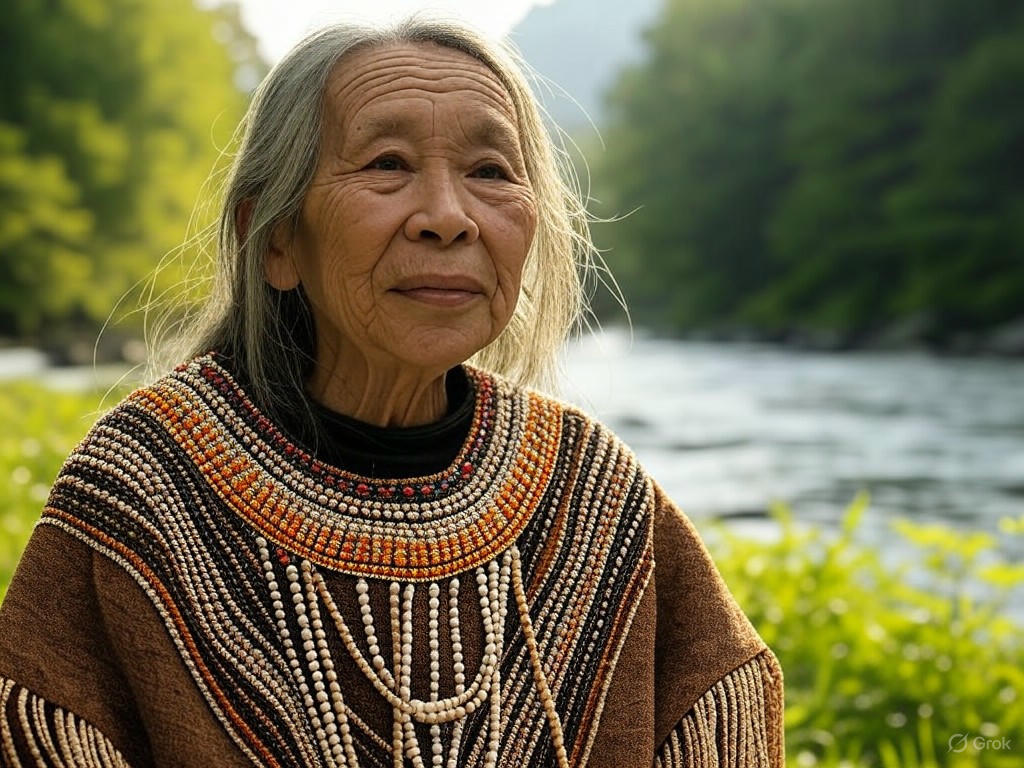
Indigenous cultures around the world have developed intricate systems of healing that integrate the physical, emotional, spiritual, and communal aspects of health. These practices, often referred to as traditional or holistic medicine, are rooted in the wisdom passed down through generations by elders, who are seen as keepers of this sacred knowledge. Here, we explore some of the core principles and practices of Indigenous healing, highlighting their significance and enduring relevance.
The Holistic Approach
At the heart of Indigenous healing is the belief in the interconnectedness of all life. Health is not merely the absence of disease but a harmonious balance between body, mind, spirit, and environment. This holistic perspective contrasts sharply with Western medicine's often compartmentalized view of health:
- Physical Health: Treatments might include herbal remedies, which are often prepared from local plants known for their medicinal properties. For instance, the use of sage for cleansing and healing among Native American tribes or eucalyptus for respiratory issues among Australian Aboriginal peoples.
- Emotional and Spiritual Well-being: Healing ceremonies often involve rituals that address emotional and spiritual health. This might include the use of drumming, chanting, or storytelling to connect individuals with their cultural narratives, promoting a sense of identity and community.
- Connection to Land: Many Indigenous practices emphasize the relationship between humans and nature. Healing often involves spending time in nature, recognizing that the land itself is a source of healing.
Key Practices
1. Ceremonies and Rituals: Rituals like sweat lodges, vision quests, or the Sun Dance among the Plains Indians are not just spiritual practices but also serve as community healing events. They provide a space for individuals to heal in the context of their cultural and communal identities.
2. Herbal Medicine: Knowledge of plants and their uses is a cornerstone of Indigenous healing. This knowledge, often encoded in oral traditions, includes understanding the right time to harvest, preparation methods, and the combination of herbs for various ailments.
3. Healers and Medicine People: Elders or medicine people play pivotal roles. They are not only healers but also teachers, guiding individuals through life transitions and maintaining the cultural continuity of healing practices.
4. Energy Work: Many traditions involve some form of energy manipulation, like the use of crystals, laying on of hands, or other practices aimed at restoring balance to the body's energy fields.
The Role of the Elders
Elders in Indigenous communities are not just older individuals; they are repositories of cultural, spiritual, and medicinal knowledge:
- Wisdom Keepers: They hold stories, songs, and rituals that are essential for cultural continuity. Their wisdom is sought in times of illness, personal crisis, or community discord.
- Educators: Elders teach younger generations the values, ethics, and practices of their culture, ensuring that healing traditions survive.
- Healers: Through their deep understanding of traditional medicine, elders provide guidance on health practices, often integrating them with modern approaches when necessary.
Challenges and Preservation
Despite their profound depth, Indigenous healing practices face several challenges:
- Colonization and Cultural Erosion: Historical oppression has led to a loss of languages, traditions, and thus, healing practices. Efforts are being made to revive and document these traditions.
- Western Medicine Dominance: The global push towards Western medical practices can overshadow or devalue Indigenous methods. However, there's a growing recognition of the value of integrating traditional knowledge with modern medicine.
- Environmental Changes: Climate change and habitat destruction threaten the availability of medicinal plants, which are crucial for these practices.
Conclusion
The wisdom of the elders in Indigenous healing practices offers not just a method of treating ailments but a profound philosophy of life, health, and community. These practices remind us of the importance of balance, respect for nature, and the interconnectedness of all beings. As the world increasingly recognizes the limitations of conventional medicine, there's a renewed interest in these ancient systems, not just for their healing potential but for the holistic vision of health they embody. The preservation and integration of Indigenous healing practices into broader healthcare systems represent a step towards a more inclusive and effective approach to human well-being, honoring the legacy of the elders who have safeguarded this knowledge through the ages.