Reviving Ancient Wisdom: The Role of Traditional Medicine in Modern Healthcare
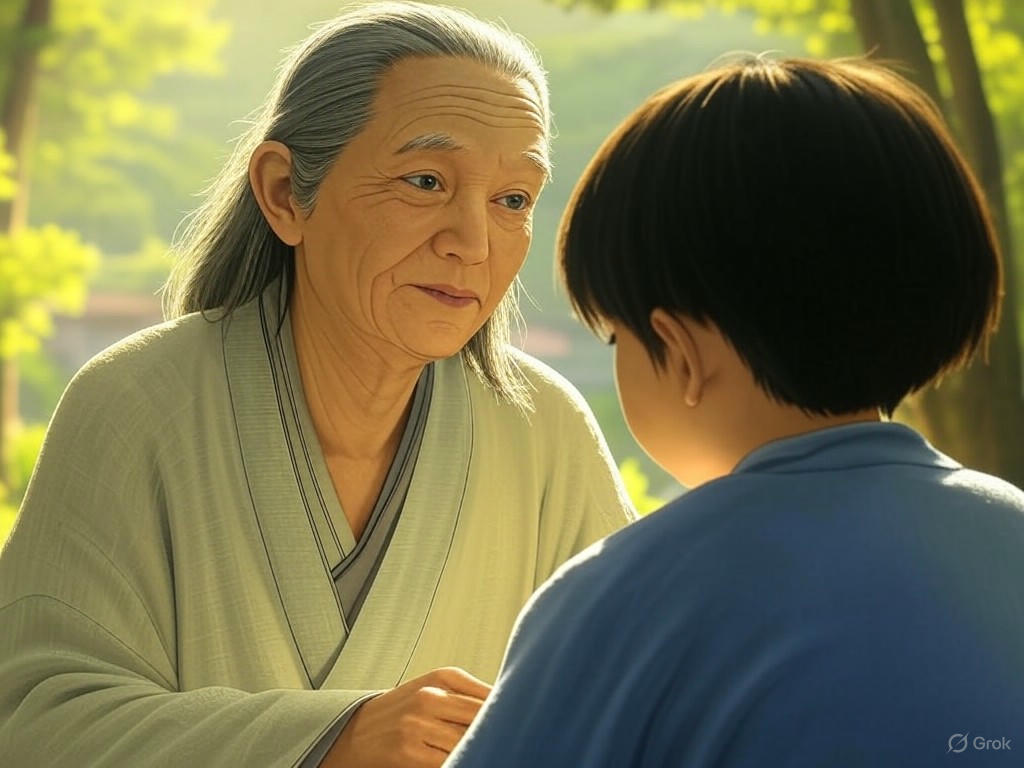
The Roots of Traditional Medicine
Traditional medicine, encompassing practices like Ayurveda, Traditional Chinese Medicine (TCM), Indigenous healing practices, and herbal medicine, has been the foundation of healthcare for millennia. These systems developed through empirical observation, trial, and error, often passed down through generations. They focus not just on treating diseases but on maintaining health through balance, prevention, and a deep connection with nature.
Why the Revival?
1. Holistic Approach: Modern medicine excels in treating acute conditions and specific diseases with targeted therapies. However, traditional medicine offers a holistic approach, treating the individual as a whole. This includes mental, physical, emotional, and spiritual health, often overlooked by conventional treatments.
2. Preventive Care: Traditional systems emphasize prevention over cure, which aligns with the modern healthcare goal of reducing the burden of chronic diseases. Practices like diet, lifestyle adjustments, and the use of medicinal plants promote wellness before disease sets in.
3. Accessibility: In many parts of the world, especially where modern healthcare infrastructure is sparse, traditional medicine provides accessible, affordable, and culturally appropriate health solutions.
4. Integration with Modern Practices: Research has shown that many traditional remedies have scientific backing. For instance, turmeric in Ayurveda or artemisinin from TCM, both have proven medicinal properties, leading to a more integrative approach where both systems can complement each other.
Challenges in Integration
However, integrating traditional medicine into modern healthcare isn't without challenges:
- Standardization and Safety: There's a need for standardization of traditional treatments to ensure safety and efficacy. This includes quality control of herbal products and ensuring that practitioners are well-trained.
- Scientific Validation: While some traditional remedies have been scientifically validated, many remain anecdotal. Rigorous scientific research is required to bridge this gap.
- Cultural Barriers: There can be resistance from both sides; traditional practitioners might fear losing their cultural practices, while modern doctors might dismiss these methods as unscientific.
- Regulation and Education: Proper regulation to integrate these practices into national health systems and educating both practitioners and patients about the benefits and limitations of traditional medicine are crucial.
The Path Forward
The integration of traditional medicine into modern healthcare could lead to:
- Personalized Medicine: By understanding an individual's constitution through traditional diagnostic methods, treatments can be more personalized.
- Increased Wellness: Embracing preventive care practices from traditional systems can lead to a healthier population, reducing the strain on healthcare systems.
- Cultural Preservation: Integrating traditional medicine helps in preserving cultural knowledge and practices, which are integral to community identity.
- Environmental Harmony: Traditional medicine often promotes sustainability and a symbiotic relationship with nature, which is vital in today's environmental crisis.
In conclusion, the revival of traditional medicine isn't about choosing one over the other but recognizing the value of both worlds. Modern medicine with its precision, and traditional medicine with its holistic approach, together can offer a comprehensive health paradigm. As we move forward, the key will be in fostering an environment of mutual respect, rigorous research, and open collaboration between these ancient and modern systems. This integration could very well be the key to unlocking a more resilient, inclusive, and effective global healthcare system.