Exploring the Rise of Urban Green Spaces
Introduction
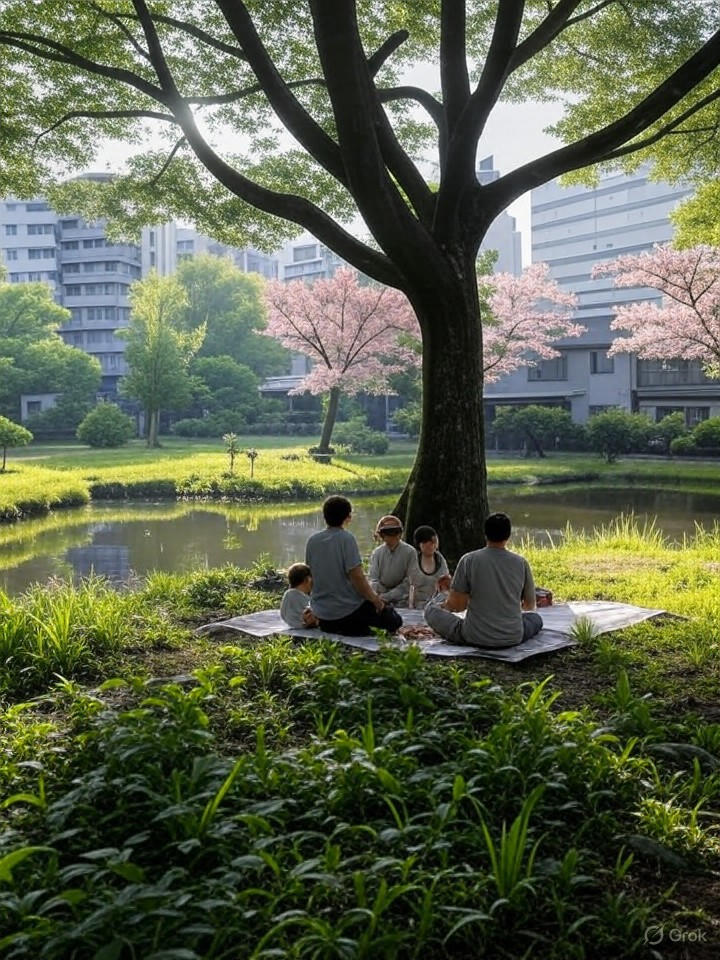
In an era of rapid urbanization, where concrete jungles dominate skylines, cities worldwide are embracing a verdant revolution. Urban green spaces—parks, rooftop gardens, vertical forests, and pocket prairies—are proliferating as essential countermeasures to environmental degradation, mental health crises, and the heat-island effects plaguing megacities. This surge isn't just aesthetic; it's a strategic response to climate change and public health demands. According to the World Health Organization (WHO), access to at least 9 square meters of green space per urban resident can significantly improve life expectancy and well-being. Let's delve into why these oases are booming and what they mean for our future.
The Driving Forces Behind the Green Boom
Several interconnected factors fuel the expansion of urban greenery:
1. Climate Resilience and Environmental Benefits
Cities generate up to 70% of global greenhouse gas emissions, exacerbating urban heat islands where temperatures can soar 7–10°C higher than rural areas. Green spaces act as natural air conditioners, absorbing CO2, filtering pollutants, and boosting biodiversity. A 2021 study in The Lancet00261-9/fulltext) linked increased tree canopy cover to reduced mortality rates from heatwaves.
Innovations like green roofs and walls are game-changers. Singapore's Gardens by the Bay exemplifies this, with its Supertrees harnessing solar energy while mimicking tropical forests.
2. Public Health and Mental Well-Being
Post-pandemic, the value of outdoor access skyrocketed. Urban dwellers with nearby green spaces report 20–30% lower stress levels, per research from the University of Exeter. These areas promote physical activity, combat obesity, and foster social connections, countering the isolation of high-density living.
3. Policy and Economic Incentives
Governments are stepping up. New York's PlaNYC 2050 aims for 30% tree canopy coverage by mid-century, backed by incentives for developers. Economically, green spaces boost property values by up to 15%, as noted in a National Recreation and Park Association report.
Iconic Examples Leading the Charge
Cities are transforming underutilized spaces into thriving ecosystems:
- New York City's High Line: This elevated park, built on abandoned rail tracks, draws 8 million visitors annually and has spurred $2 billion in nearby development. Learn more.
- Milan's Bosco Verticale: Twin residential towers draped in 900 trees, this "vertical forest" produces 30 tons of oxygen yearly. Details here.
- Paris's Petite Ceinture: A 19th-century railway reborn as urban wilds, blending nature with history. Explore the project.
These projects demonstrate scalable models, from community gardens in Detroit to Seoul's 1,000 km of sky gardens.
Challenges and Roadblocks
Despite momentum, hurdles persist:
- Space Constraints: In dense cities like Tokyo or Mumbai, land is scarce and expensive.
- Maintenance Costs: Watering, pruning, and pest control strain budgets, especially in arid climates.
- Equity Issues: Green spaces often cluster in affluent areas, leaving low-income neighborhoods underserved—a disparity highlighted in a Yale Environment 360 analysis.
Solutions include native plantings for low-maintenance designs and public-private partnerships.
The Future of Urban Greenery
Looking ahead, technology will amplify the trend. AI-optimized irrigation, drone-seeded meadows, and bio-engineered plants promise hyper-efficient green infrastructure. Initiatives like the C40 Cities Climate Leadership Group target 50% green coverage in major metropolises by 2030.
As urban populations hit 68% globally by 2050 (per UN projections), green spaces aren't optional—they're survival tools.
Conclusion
The rise of urban green spaces signals a paradigm shift: from dominating nature to harmonizing with it. By investing in these lungs of the city, we're not just beautifying skylines; we're safeguarding health, equity, and planetary health. Whether strolling Milan's tree-clad