Exploring the Rise of Cannabis-Infused Cuisine
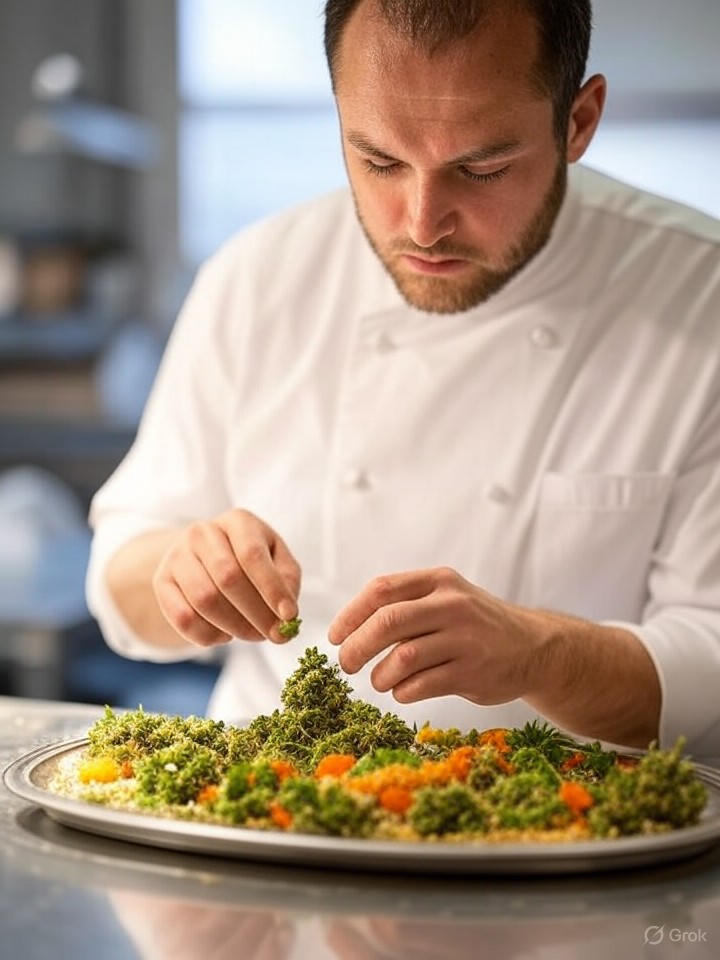
In recent years, cannabis-infused cuisine has emerged from the shadows of underground culture into the spotlight of fine dining and mainstream gastronomy. What was once relegated to makeshift brownies and gummies is now gracing Michelin-starred menus and innovative pop-up events. This surge is fueled by evolving legalization laws, advancements in extraction technology, and a growing demand for sophisticated, wellness-oriented dining experiences. As consumers seek flavorful alternatives to smoking or vaping, cannabis edibles have transformed into an art form, blending culinary precision with the plant's psychoactive properties.
From Prohibition to Palate: A Historical Shift
Cannabis-infused foods have roots in ancient cultures, from bhang in India to hashish confections in the Middle East. In the modern West, however, edibles gained notoriety during the counterculture era of the 1960s. Prohibition stifled innovation until the 1990s medical marijuana movement in California sparked a renaissance. The tipping point came with recreational legalization in states like Colorado and California in 2012 and 2016, respectively, unleashing a wave of creativity.
Today, over 20 U.S. states and countries like Canada and Uruguay permit recreational use, creating a fertile ground for chefs. The global cannabis edibles market, valued at $11.5 billion in 2022, is projected to reach $50 billion by 2030, according to Grand View Research, driven by demand for discreet, long-lasting effects.
Mastering the Infusion: Techniques and Innovations
The hallmark of modern cannabis cuisine is precision. Chefs employ decarboxylation—heating cannabis to activate THC and CBD—followed by extraction methods like ethanol tinctures, CO2 supercritical extraction, or nano-emulsification for faster, tastier absorption.
Key techniques include:
- Fat-based infusions: THC binds to butter or oils, ideal for sauces, pastries, and ganache.
- Beverage emulsions: THC-infused cocktails and mocktails using water-soluble cannabinoids.
- Microdosing: Low-potency servings (2.5-5mg THC) allow enjoyment without intoxication, perfect for brunch or appetizers.
Standout dishes range from THC-laced caviar bumps to CBD-infused sorbets, proving cannabis enhances rather than overwhelms flavors.
Trailblazing Chefs and Venues
Pioneers are redefining the scene. In Los Angeles, Chef Chris Yang of The Artist Tree Aspekt fuses Japanese kaiseki with cannabis pairings. Denver's The Herbal Chef, led by Eduardo "Lalo" Perez, offers multi-course dinners with strain-specific infusions. Pop-ups like New York's The Cannabinoid Supper Club draw crowds with farm-to-table edibles.
Internationally, London's Good Vibes Kitchen experiments with terpene-infused desserts, while Amsterdam's eateries have long mastered space cakes with gourmet twists. These venues emphasize education, with servers guiding diners on onset times (30-90 minutes for edibles) and effects.
Navigating Safety, Health, and Legality
Responsible consumption is paramount. Overdosing on edibles can lead to discomfort due to their potency and delayed effects, prompting labels with clear milligram counts—a FDA requirement in legal markets. Health benefits touted include CBD's anti-inflammatory properties for pain relief and anxiety reduction, backed by studies from the National Institutes of Health.
Challenges persist: interstate transport bans, varying potency regulations, and lingering stigma. Chefs counter this with transparent sourcing from licensed growers and third-party lab testing.
The Future: Mainstream Integration and Beyond
As cannabis normalization accelerates, expect deeper integration into wellness retreats, airline menus, and even fast-casual spots. Advances like strain-specific pairings (e.g., sativa for energy-boosting brunch) and non-psychoactive hemp derivatives will broaden appeal. Sustainability efforts, such as regenerative farming, align with eco-conscious diners.
Cannabis-infused cuisine isn't just a trend—it's a testament to culinary evolution, where ancient herb meets modern mastery.
Recommended Reading and Resources
- Leafly: The Ultimate Guide to Cannabis-Infused Cooking
- High Times: Top Cannabis Chefs to Watch in 2024
- The New York Times: Dining on Weed
- Grand View Research: Cannabis Edibles Market Report
- Harvard Health: The Science of Edibles