The Science Behind Cannabis-Infused Edibles
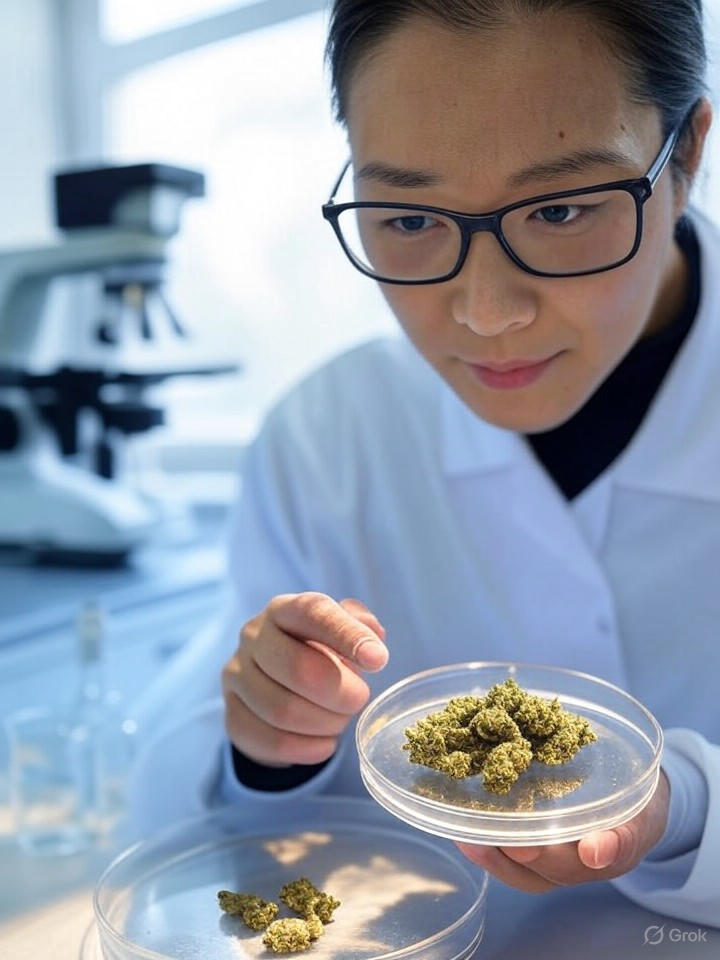
Cannabis-infused edibles have surged in popularity, offering a discreet and smoke-free way to consume cannabis. From gummies and chocolates to brownies and beverages, these products deliver the plant's effects through ingestion rather than inhalation. But what makes edibles unique—and sometimes unpredictable—is the science of how cannabis interacts with the body when eaten. Unlike smoking or vaping, where effects hit quickly, edibles involve a complex journey through the digestive system and liver, leading to delayed, prolonged, and often intensified experiences. This article dives into the biology, chemistry, and pharmacology behind cannabis edibles, explaining why they work the way they do.
The Key Players: Cannabinoids and the Endocannabinoid System
At the heart of cannabis edibles are cannabinoids, the chemical compounds responsible for the plant's effects. The two most prominent are tetrahydrocannabinol (THC), the psychoactive component that produces the "high," and cannabidiol (CBD), which is non-intoxicating and often used for therapeutic purposes.
These cannabinoids mimic endocannabinoids, natural molecules produced by the human body that regulate mood, pain, appetite, and more via the endocannabinoid system (ECS). The ECS features CB1 receptors (primarily in the brain) and CB2 receptors (in the immune system and periphery). THC binds strongly to CB1 receptors, triggering euphoria, altered perception, and relaxation. CBD modulates these receptors indirectly, potentially reducing anxiety and inflammation without intoxication.
In raw cannabis, THC exists as THCA (tetrahydrocannabinolic acid), which is non-psychoactive. To make edibles potent, producers decarboxylate the plant material—heating it to around 220–240°F (104–115°C)—converting THCA into THC. This step is crucial; skipping it results in ineffective products.
From Mouth to Brain: The Metabolic Pathway of Edibles
The defining feature of edibles is their route of administration: oral ingestion. Here's how it unfolds:
1. Digestion Begins: When you eat an edible, cannabinoids are absorbed through the mucous membranes in the mouth (a minor effect) but primarily in the stomach and small intestine. Fats in the edible—like butter or oil—enhance absorption because cannabinoids are fat-soluble (lipophilic).
2. First-Pass Metabolism: Unlike inhaled cannabis, which enters the bloodstream directly via the lungs and reaches the brain in minutes, edibles travel to the liver via the portal vein. Here, cytochrome P450 enzymes metabolize THC into 11-hydroxy-THC (11-OH-THC), a potent metabolite that crosses the blood-brain barrier more easily than THC itself.
3. Delayed Onset and Prolonged Effects: This hepatic processing causes a 30-minute to 2-hour delay before effects peak, lasting 4–12 hours. 11-OH-THC is up to twice as psychoactive as THC, explaining why edibles can feel overwhelmingly strong even at equivalent doses to smoking.
Bioavailability—the amount of active compound that reaches circulation—is low for edibles (4–20%) compared to inhalation (10–35%), due to this metabolism. Empty stomachs speed absorption, while food slows it, adding variability.
Factors Influencing Edible Effects
Individual responses to edibles vary wildly due to several scientific factors:
- Dosage and Potency: Edible labels indicate THC milligrams (e.g., 10mg per serving), but lab testing ensures accuracy. Start low—experts recommend 2.5–5mg for novices.
- Tolerance and Genetics: Frequent users develop tolerance via CB1 receptor downregulation. Genetic variations in CYP2C9 and CYP3A4 enzymes affect THC metabolism speed; "slow metabolizers" experience longer, stronger effects.
- Body Composition: Higher body fat stores fat-soluble THC, prolonging release. Liver function and age also play roles.
- Interactions: Combining with alcohol or other drugs can amplify effects via enzyme competition.
Studies, like those from the National Institutes of Health (NIH), highlight these variables, emphasizing why "start low and go slow" is a golden rule.
Production Science: Crafting Effective Edibles
Making reliable edibles requires precision:
- Extraction Methods: Nanoemulsions create water-soluble cannabinoids for faster onset in beverages. Distillates provide pure, flavorless THC/CBD.
- Infusion Techniques: Ethanol or CO2 extractions yield tinctures mixed into bases. Overheating degrades cannabinoids, so temperature control is key.
- Stability Challenges: Cannabinoids oxidize over time, losing potency. Proper storage (cool, dark) preserves them.
Advancements like encapsulation protect cannabinoids from stomach acid, improving bioavailability.
Health Benefits and Risks: What the Research Says
Edibles offer advantages over smoking—no lung irritation—and precise dosing for medical use, such as chronic pain relief or nausea control. A 2021 review in Frontiers in Pharmacology noted edibles' sustained release suits long-term symptom management.
Risks include overconsumption due to delayed effects, leading to anxiety, paranoia, or psychosis in high doses. THC impairs cognition and motor skills longer than inhalation. Vulnerable groups (adolescents, pregnant individuals) face developmental risks, per CDC warnings.
Long-term data is emerging; while moderate use shows low addiction potential (9% vs. 32% for tobacco), edibles' potency raises concerns.
Conclusion
The science of cannabis-infused edibles reveals a fascinating interplay of chemistry, biology, and individual physiology. Their liver-mediated conversion to 11-OH-THC delivers powerful, enduring effects, but demands caution in dosing and timing. As legalization expands and technology refines products, understanding this science empowers safer, more effective use. Always consult healthcare providers, especially for medical applications, and source from regulated dispensaries.
Sources and Further Reading
- Pharmacokinetics of Orally Administered Cannabinoids – Detailed NIH study on edible metabolism.
- 11-Hydroxy-THC: A Potent Metabolite – Research on THC's active form.
- Harvard Health: The Science of Edibles – Consumer guide to safe consumption.
- Leafly: Cannabis Bioavailability Explained – Practical breakdown with visuals.
- CDC: Cannabis and Public Health – Official risks and benefits overview.