Exploring the Health Benefits of Cannabis-Infused Teas
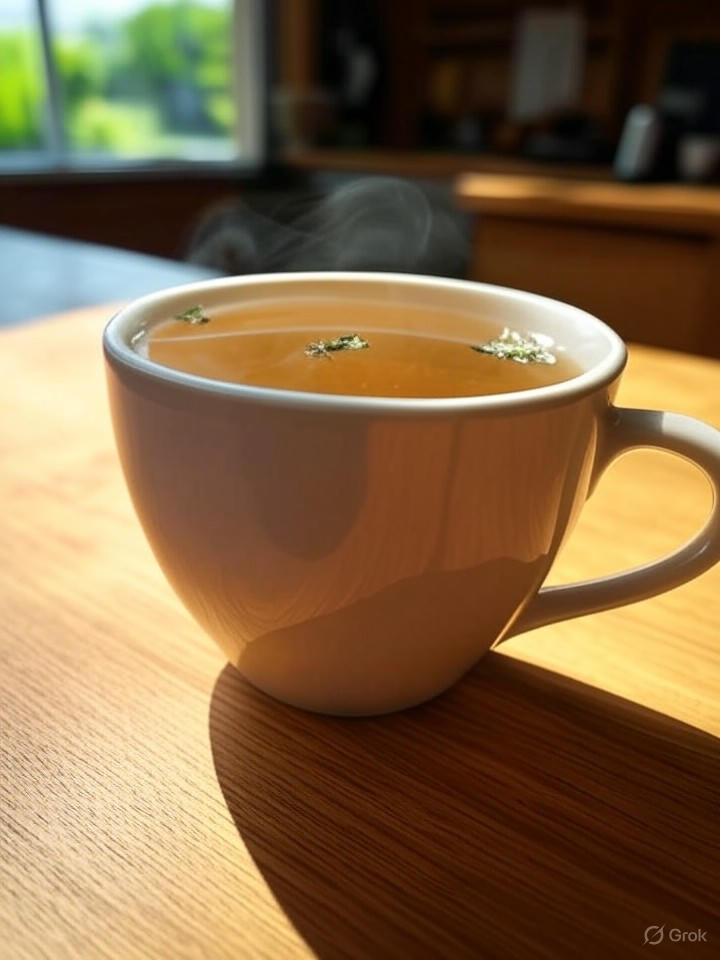
Cannabis-infused teas have surged in popularity as a gentle, flavorful way to incorporate the plant's therapeutic compounds into daily routines. Unlike smoking or vaping, these beverages offer a discreet, low-calorie alternative that combines the soothing ritual of tea with the potential wellness benefits of cannabinoids like CBD and THC. As legalization expands worldwide, research into their health effects grows, revealing promising applications for various conditions. This article delves into the science-backed benefits, preparation tips, and considerations for safe use.
Understanding Cannabis-Infused Teas
Cannabis teas are made by steeping cannabis flowers, leaves, or pre-made tinctures in hot water, often blended with herbs like chamomile, peppermint, or ginger for enhanced flavor and effects. The key active compounds are:
- CBD (Cannabidiol): Non-psychoactive, known for its calming properties.
- THC (Tetrahydrocannabinol): Psychoactive, responsible for the "high" but effective in low doses for pain and nausea.
These teas provide a slower onset of effects (30-90 minutes) compared to edibles, with milder intensity due to decarboxylation during brewing. This makes them ideal for microdosing.
Key Health Benefits Supported by Research
Emerging studies highlight several potential benefits, though more large-scale human trials are needed.
1. Pain Relief and Anti-Inflammatory Effects
Cannabinoids interact with the endocannabinoid system to reduce inflammation and modulate pain signals. A 2018 review in Frontiers in Pharmacology found CBD effective for chronic pain conditions like arthritis. Cannabis teas, with their bioavailability enhanced by fats like coconut oil or milk, offer sustained relief without the harshness of inhalation.
2. Anxiety and Stress Reduction
CBD's anxiolytic properties shine in tea form. A 2019 study in The Permanente Journal showed 79% of participants experienced reduced anxiety after a month of CBD use. Sipping a warm CBD tea promotes relaxation, mimicking the effects of traditional herbal teas but with added potency.
3. Improved Sleep Quality
For insomnia sufferers, THC-CBD combinations in low doses can regulate sleep cycles. Research from the Journal of Clinical Sleep Medicine (2021) indicates cannabis extracts improve sleep onset and duration, particularly for those with pain-related sleep disturbances. Evening teas with sedative strains like indica provide a natural wind-down.
4. Nausea and Digestive Aid
THC excels at combating nausea, as evidenced by FDA-approved drugs like dronabinol. A Supportive Care in Cancer study (2020) confirmed cannabis teas alleviate chemotherapy-induced nausea. Ginger-cannabis blends further soothe digestion, making them suitable for IBS or motion sickness.
5. Neuroprotective and Antioxidant Properties
Preliminary research suggests cannabinoids protect brain cells. A Nutrients review (2022) linked CBD to reduced oxidative stress, potentially benefiting neurodegenerative diseases like Alzheimer's. Daily teas could offer subtle, long-term support.
How to Prepare and Use Cannabis-Infused Teas Safely
Basic Recipe:
- Decarboxylate 0.5-1g ground cannabis at 240°F (115°C) for 30-40 minutes.
- Steep in 8-12 oz boiling water with tea bags for 15 minutes.
- Add fat (milk, butter) for better absorption. Strain and sweeten.
Start with 5-10mg cannabinoids per serving. Effects vary by tolerance, metabolism, and strain (sativa for energy, indica for calm).
Precautions:
- Consult a doctor, especially if pregnant, on medications, or with liver issues.
- Avoid driving or operating machinery.
- Check local laws; benefits are best realized legally.
Side effects like dry mouth, dizziness, or paranoia are rare at low doses but possible with high-THC varieties.
The Future of Cannabis Teas
As stigma fades and technology improves extraction methods, cannabis-infused teas are poised to become mainstream wellness staples. Brands now offer ready-to-brew options with precise dosing, bridging traditional herbalism and modern pharmacology.
Incorporating these teas mindfully could enhance well-being, but they're not a cure-all. Pair with a balanced lifestyle for optimal results.
Sources and Further Reading
- National Institutes of Health: Cannabis and Cannabinoids (PDQ®)
- PubMed: CBD for Anxiety
- Leafly: Guide to Cannabis Tea
- Harvard Health: The Health Effects of Cannabis
- Journal of Clinical Sleep Medicine: Cannabis for Sleep