Cannabis-Infused Skincare: Hype or Healing?
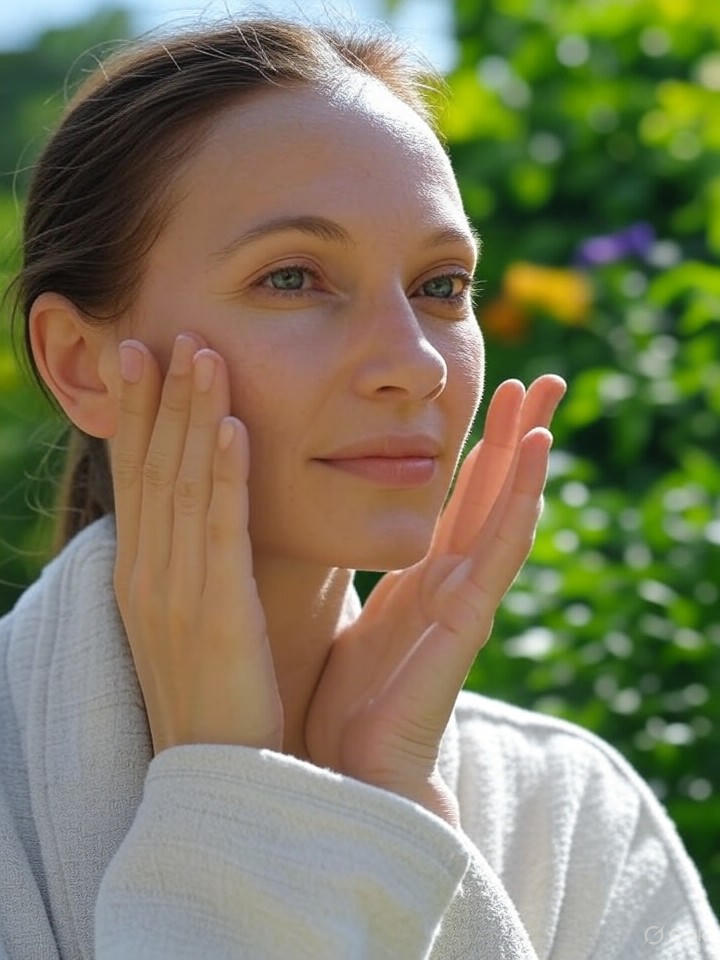
In an era where wellness trends collide with beauty rituals, cannabis-infused skincare has emerged as a polarizing powerhouse. From serums promising eternal youth to balms claiming to soothe the most stubborn acne, products laced with cannabinoids like CBD and even trace amounts of THC are popping up on shelves and social media feeds alike. Celebrities like Whoopi Goldberg and Gwyneth Paltrow have thrown their weight behind these green-tinted elixirs, fueling a market projected to reach $3.7 billion by 2027. But beneath the glossy packaging and Instagram glow-ups lies a fundamental question: Is this a revolutionary healing modality backed by science, or just another wave of hype destined to fade?
The Rise of Cannabis in Beauty
Cannabis has a long history in traditional medicine, dating back thousands of years to ancient China and Egypt, where it was used for skin ailments. Fast-forward to today, and the 2018 U.S. Farm Bill legalized hemp-derived CBD (cannabidiol) products with less than 0.3% THC, unleashing a flood of topicals into the market. Brands like Lord Jones, Milk Makeup, and Sephora exclusives now offer everything from CBD face oils to THC-infused body butters—legally, in most places, as long as they're hemp-sourced.
The appeal? Cannabis compounds interact with the body's endocannabinoid system (ECS), which regulates pain, inflammation, mood, and—crucially—skin health. Receptors like CB1 and CB2 are abundant in the skin, suggesting cannabinoids could modulate sebum production, inflammation, and barrier function.
The Science: What the Studies Say
Emerging research paints a promising picture, though it's far from conclusive. CBD's anti-inflammatory properties shine in conditions like acne and eczema. A 2014 study in the Journal of Clinical Investigation found that CBD curbs sebum production and has antibacterial effects against Propionibacterium acnes, the acne culprit. Similarly, a 2019 review in Clinical, Cosmetic and Investigational Dermatology highlighted CBD's role in reducing inflammation in atopic dermatitis.
For anti-aging, cannabinoids act as antioxidants, combating free radicals that cause wrinkles. Terpenes and flavonoids in full-spectrum cannabis extracts (containing multiple compounds) may enhance these effects via the "entourage effect." A small 2020 pilot study from the University of Buenos Aires tested a CBD-rich cream on psoriasis patients, reporting significant symptom relief after four weeks.
THC, the psychoactive component, is trickier. In micro-doses (legal limits), it may aid pain relief for conditions like scleroderma, per anecdotal reports and preliminary lab data. However, most skincare skips THC to avoid legal hurdles and psychoactive risks.
Caveats abound: Many studies are in vitro (test tubes) or on animals, with human trials small-scale and often industry-funded. The FDA has approved cannabis-derived drugs like Epidiolex for epilepsy but views topicals as unregulated cosmetics, not medicines. Standardization is a nightmare—product potency varies wildly, with third-party testing often revealing discrepancies.
Claimed Benefits vs. Real-World Results
Acne and Oily Skin: Proponents swear by CBD's sebum-regulating prowess. User reviews on sites like Reddit rave about clearer pores, and a 2021 Italian study backed this for mild acne.
Anti-Inflammatory Powerhouse: Ideal for rosacea, eczema, or post-procedure redness. A 2018 Israeli trial showed CBD lotion outperforming placebo for severe dermatitis.
Anti-Aging and Hydration: Hemp seed oil (non-psychoactive) is rich in omega fatty acids, mimicking ceramides for moisture lock-in. CBD may boost collagen, per lab evidence.
Pain and Muscle Relief: THC-CBD balms target soreness, with some athletes crediting faster recovery.
Real users report mixed results: A 2022 survey by Brightfield Group found 60% of CBD skincare buyers noticed improvements, but 25% saw none. Placebo effect? Possibly. Sensitive skin types occasionally report irritation from carriers like essential oils.
The Hype Machine and Potential Pitfalls
Marketing amplifies the buzz. "Cannabis" evokes luxury and rebellion, but terms like "full-spectrum" or "nano-CBD" often mask mediocre formulations. Contamination risks loom—some products test positive for heavy metals or excess THC, per ConsumerLab reports.
Allergic reactions, though rare, occur, especially with pollen-heavy extracts. Pregnant individuals and those on blood thinners should steer clear due to interaction risks. Long-term safety data? Sparse.
Dermatologists are split. Dr. Rachel Nazarian of Schweiger Dermatology calls it "promising for inflammation but overhyped for wrinkles." The American Academy of Dermatology urges patch-testing and consulting pros, emphasizing proven actives like retinoids.
Market Trends and Consumer Caution
Global sales surged 34% in 2022, per Statista, driven by Gen Z's holistic bent. Clean beauty fans love the plant-based vibe, but savvy shoppers demand COAs (certificates of analysis) and avoid delta-8 gimmicks.
To navigate: Opt for broad- or full-spectrum from reputable brands (e.g., Kiehl's Cannabis sativa line). Start low, layer with basics like hyaluronic acid. It's no miracle cure—think adjunct therapy.
Verdict: A Bit of Both
Cannabis-infused skincare isn't snake oil; targeted benefits for inflammation and acne have solid footing. Yet, the healing halo is dimmed by inconsistent evidence, regulatory gaps, and influencer-fueled exaggeration. For mild issues, it might heal what ails you. For everything else? Temper expectations and pair with dermatologist-approved staples.
As research evolves, this niche could solidify its spot in routines—or join the ash heap of trends. Until then, proceed with informed optimism.
Sources and Further Reading
- Journal of Clinical Investigation: CBD and Acne (2014)
- Clinical, Cosmetic and Investigational Dermatology: Cannabinoids in Dermatology (2019)
- University of Buenos Aires Psoriasis Study (2020)
- Brightfield Group CBD Skincare Survey (2022)
- Statista: Cannabis Beauty Market Forecast
- American Academy of Dermatology on CBD
- ConsumerLab CBD Testing Report