Cannabis-Infused Oils and Butters: DIY Basics for Home Cooks
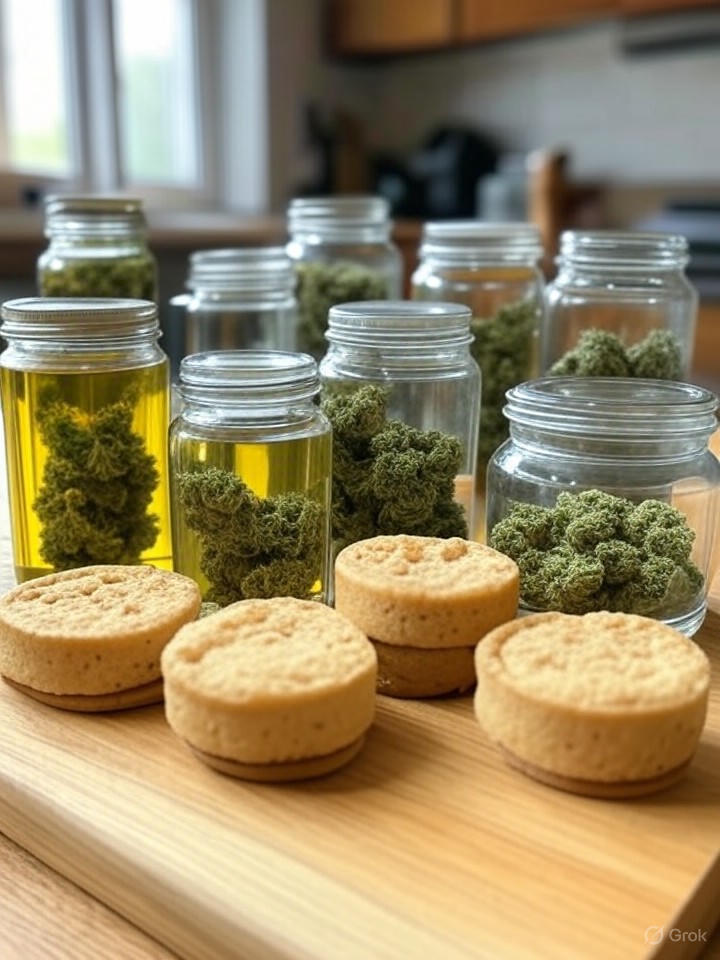
Cannabis-infused oils and butters are versatile staples for home cooks looking to elevate their culinary game with a subtle, flavorful twist. These infusions allow you to incorporate cannabis into edibles like sauces, baked goods, cookies, and sautés without smoking. Known as "cannabutter" for butter and cannabis oil for oils, they're made by extracting cannabinoids like THC and CBD from cannabis flower or trim into a fat base.
Important Legal Note: Cannabis laws vary by location. This guide is for educational purposes in regions where cannabis is legal for recreational or medicinal use. Always check local regulations, start with low doses, and consult a professional if you're new to edibles.
Why Infuse at Home?
Store-bought versions can be pricey and inconsistent. DIY lets you control potency, flavor, and quality using fresh ingredients. Oils work great for savory dishes (think pesto or dressings), while butters shine in sweets and pastries. Both store well in the fridge or freezer.
Essential Tools and Ingredients
- Cannabis: 7-14 grams of decarboxylated flower (ground, not powdered) per cup of fat. Use high-quality, lab-tested strains.
- Fat Base: For butter, unsalted; for oil, coconut, olive, or avocado oil.
- Tools: Slow cooker or double boiler, cheesecloth or fine mesh strainer, thermometer, glass jars for storage.
- Optional: Lecithin (emulsifier for better extraction), flavorings like vanilla.
Step 1: Decarboxylation (Activation)
Raw cannabis isn't psychoactive—heat converts THCA to THC.
1. Preheat oven to 240°F (115°C).
2. Spread ground cannabis on a parchment-lined baking sheet.
3. Bake for 30-40 minutes, stirring halfway. It should turn light brown and smell toasty.
4. Cool and store until infusing.
Step 2: Infusing Butter (Cannabutter)
Yield: About 1 cup
Time: 2-4 hours
1. Melt 1 cup butter in a slow cooker on low or double boiler.
2. Add 7-10g decarboxylated cannabis. Stir in 1 tsp lecithin if using.
3. Simmer at 160-200°F (71-93°C) for 2-3 hours. Never boil—high heat destroys cannabinoids.
4. Strain through cheesecloth into a jar, squeezing out liquid. Discard solids.
5. Cool and refrigerate. It solidifies like regular butter.
Step 3: Infusing Oil
Yield: About 1 cup
Time: 2-4 hours
Follow the same process as butter, swapping for oil. Coconut oil is popular for its high saturation and shelf life; olive oil adds earthy notes for cooking. Maintain low heat to preserve terpenes for flavor.
Dosage and Potency Tips
- Start Low: Assume 10% extraction efficiency. Test a small batch—1mg THC per serving is beginner-friendly.
- Calculator: Use online tools to estimate based on strain THC%.
- Label: Note strain, date, and strength on jars.
Storage and Shelf Life
- Fridge: 2-3 weeks.
- Freezer: 6 months (portion into ice cube trays).
- Signs of spoilage: Off smell, mold, or separation.
Common Mistakes to Avoid
- Skipping decarb: No effects.
- Overheating: Bitter taste, lost potency.
- Poor straining: Gritty texture.
- Variations: Add herbs like rosemary for savory oils or infuse trim for budget batches.
Recipe Ideas
- Cannabutter Cookies: Swap half the butter in your favorite recipe.
- Infused Pesto: Use cannabis oil in place of olive oil.
- Brownies: Classic cannabutter base.
Experiment responsibly—the key to great edibles is balance and patience. Happy cooking!
Resources
- Leafly: How to Make Cannabutter
- High Times: Cannabis Oil Infusion Guide
- Project CBD: Decarboxylation Basics
- THC Dosage Calculator by Tcheck