Cannabis-Infused Gourmet: High-End Chefs Enter the Scene
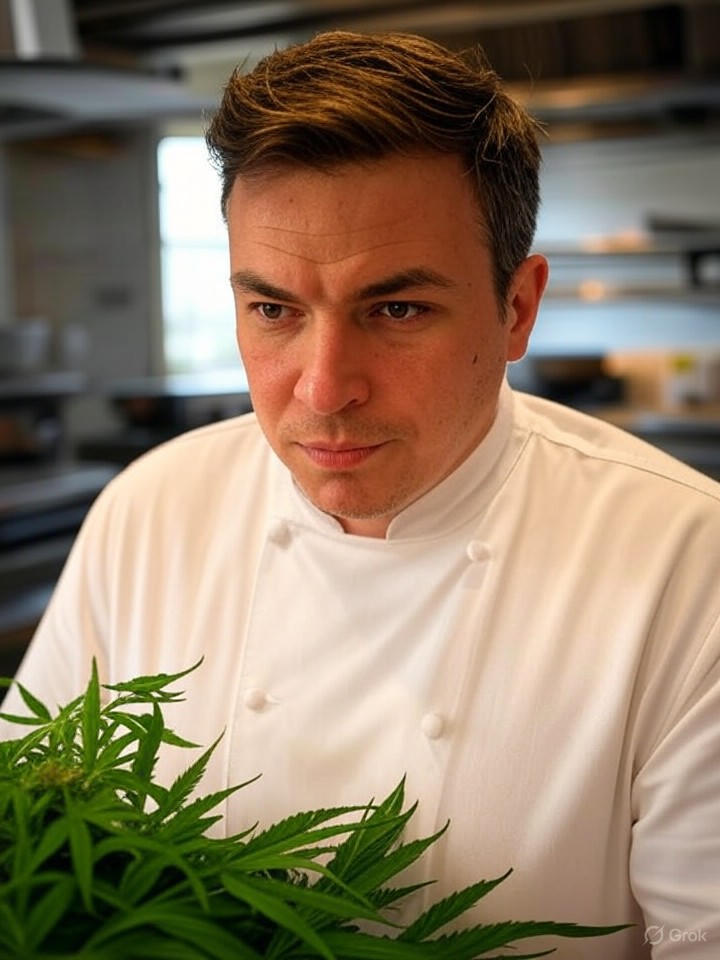
In an era where cannabis legalization is reshaping culinary landscapes, high-end chefs are elevating the humble weed brownie to Michelin-worthy heights. Once confined to dorm rooms and dispensary shelves, cannabis-infused cuisine is now gracing tasting menus in upscale restaurants across legal markets like California, Colorado, and New York. These trailblazing chefs are infusing THC and CBD into sophisticated dishes, balancing potency with palate-pleasing flavors. This fusion of fine dining and ganja gourmet signals a maturing industry, where precision dosing meets molecular gastronomy.
The Rise of Elevated Edibles
The pivot toward cannabis-infused fine dining accelerated post-2018, as recreational legalization spread. Chefs, long frustrated by prohibition-era stigma, now experiment freely in states with robust regulatory frameworks. In Las Vegas, where cannabis tourism booms, spots like Vice City Cannabis Lounge serve caviar-topped canapés laced with low-dose THC. Meanwhile, in San Francisco, chef Brandon Allen at The Apothecarium reimagines classic French techniques with cannabis butter—think beurre blanc infused with sativa strains for a subtle uplift.
This shift isn't just about novelty. Chefs emphasize terpene synergy, pairing cannabis's earthy, piney notes with complementary ingredients. A pinot noir reduction might incorporate CBD distillate for its anti-inflammatory buzz, while full-spectrum THC oils enhance umami in risottos. The result? Dishes that deliver euphoria without the munchies crash.
Pioneering Chefs Leading the Charge
Several luminaries are defining this niche:
- Chris Yang of Nice Day in New York: Yang's omakase-style cannabis pairings feature nigiri topped with kief-dusted uni and microdosed gummies alongside sake flights. His approach demystifies dosing, using lab-tested extracts to ensure each bite hits 5-10mg THC—perfect for novices.
- Vanessa Wishart at Shy Captain in Portland: A James Beard nominee, Wishart crafts seasonal menus with house-grown cannabis from local farms. Standouts include a seared scallops dish with lemon-thyme cannabutter and a chocolate ganache tart infused with indica for dessert relaxation.
- Matthew "The Herbal Chef" Buehler: Operating pop-ups nationwide, Buehler consults for luxury resorts, teaching infusion techniques like decarboxylation sous-vide to preserve cannabinoids without burning flavors.
These chefs collaborate with cultivators and labs, sourcing strain-specific oils that match menu profiles—citrusy Lemon Haze for seafood, earthy Granddaddy Purple for reds.
Challenges and Innovations in the Kitchen
Crafting gourmet cannabis cuisine demands precision. Over-infusion risks greasiness or overwhelming highs, so chefs rely on nano-emulsification to make cannabinoids water-soluble and fast-acting. Dosing accuracy is paramount; apps and scales ensure compliance with state limits (often 10mg per serving).
Legal hurdles persist: Federal restrictions bar interstate transport, and alcohol-cannabis crossover is tricky in lounges. Yet innovations abound—CBD-heavy menus appeal to wellness crowds, while experiential dining like "high tea" services pairs infusions with sommelier-led education.
Sustainability is key too. Regenerative farms supply organic cannabis, aligning with farm-to-table ethos.
A Budding Future for Fine Dining
As more states legalize, expect cannabis infusions on more white-tablecloth menus. Luxury brands like Nobu and Tao are testing waters with private chef experiences, while Europe eyes decriminalization. Critics predict a James Beard Award category for "Best Cannabis Cuisine" by 2025.
This movement proves cannabis belongs in gourmet kitchens—not as a gimmick, but as a transformative ingredient. High-end chefs are cooking up a revolution, one perfectly dosed plate at a time.
Sources and Further Reading
- Eater: "The Rise of Upscale Weed Dining"
- Leafly: "Top Chefs Reinventing Cannabis-Infused Meals"
- The Herbal Chef's Website
- New York Times: "Cannabis Goes Gourmet"
- James Beard Foundation on Emerging Trends