Behind the Scenes of a Cannabis-Infused Product Kitchen
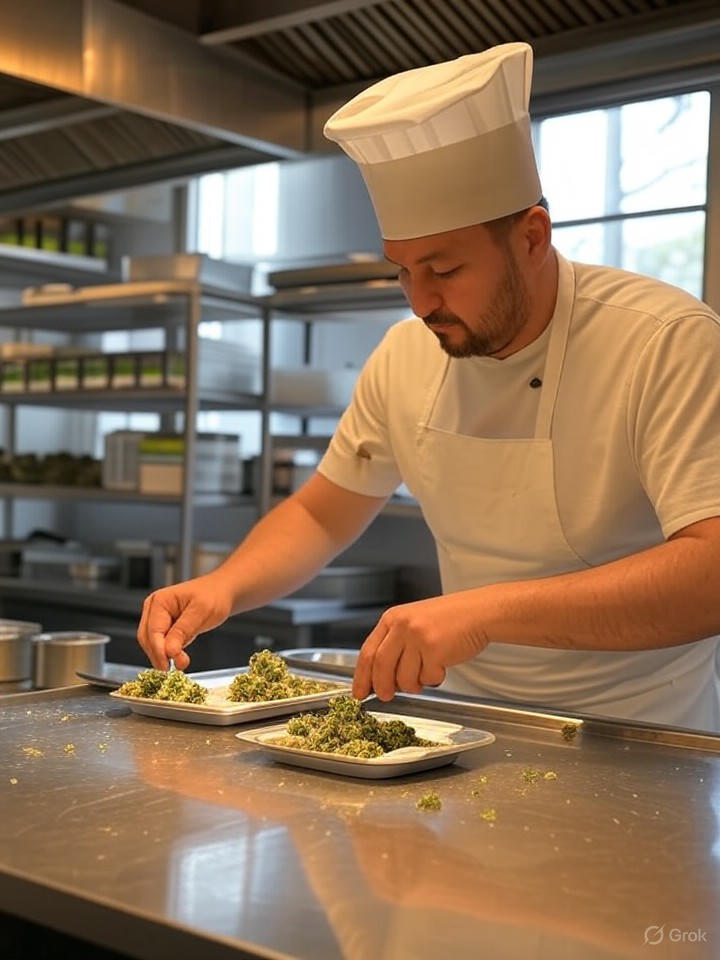
In the booming legal cannabis industry, edibles and infused products have surged in popularity, offering discreet and precise dosing options for consumers. But what goes on behind the closed doors of a cannabis-infused product kitchen? These specialized facilities blend culinary artistry with scientific precision, adhering to strict regulations to produce safe, potent, and delicious treats. This article takes you inside one such operation, revealing the meticulous processes that turn raw cannabis extracts into market-ready gummies, chocolates, and baked goods.
The Sterile Sanctuary: Kitchen Design and Standards
A cannabis-infused kitchen isn't your average home bakery. These spaces are FDA-compliant commercial facilities designed for maximum hygiene and contamination prevention. Picture stainless-steel counters, HEPA-filtered air systems, and separate zones for raw material handling, infusion, mixing, and packaging. Floors are seamless epoxy to prevent bacterial buildup, and employees don hairnets, gloves, and lab coats—much like a pharmaceutical cleanroom.
Temperature and humidity are tightly controlled to preserve cannabinoid integrity, as heat can degrade THC and CBD. In states like California and Colorado, where recreational cannabis is legal, these kitchens must pass rigorous inspections from bodies like the Department of Public Health, ensuring no cross-contamination with non-infused products.
Sourcing Premium Ingredients
The foundation of any great infused product starts with top-tier ingredients. Cannabis distillates or isolates—highly refined oils boasting 90%+ purity—are sourced from licensed cultivators and extractors. These are lab-tested for potency, pesticides, heavy metals, and microbes before entering the kitchen.
Non-cannabis components, like organic fruits, sugars, and emulsifiers (such as lecithin to ensure even THC distribution), come from vetted suppliers. Chefs prioritize natural flavors to mask the "green" taste of cannabis, experimenting with terpene profiles to enhance effects—like citrus notes for uplifting sativas.
Step-by-Step Production: From Infusion to Packaging
Production kicks off with decarboxylation, where raw cannabis flower or trim is heated to activate THC (converting THCA into psychoactive THC). This is often done off-site by extractors, delivering ready-to-use oils.
In the kitchen:
1. Infusion: Oils are precisely measured and blended into fats or liquids. For gummies, THC oil emulsifies into a pectin-based syrup heated to 200°F.
2. Cooking and Molding: Batches cook in industrial mixers. Gummies are poured into starch molds; chocolates tempered in enrobers.
3. Cooling and Testing: Products cool in climate-controlled rooms, then sampled for in-house potency checks using HPLC machines.
4. Packaging: Child-resistant jars are filled in a nitrogen-flushed environment to extend shelf life, with labels detailing serving size, total milligrams, and expiration.
A single batch might yield 10,000 gummies, each dosed at 5-10mg THC, taking 8-12 hours from start to finish.
Quality Control: The Science of Safety
Safety is paramount. Every batch undergoes third-party lab testing for homogeneity (uniform dosing), potency, and contaminants. Regulations mandate destroying failed batches—no second chances. Microbial testing checks for E. coli and salmonella, while residual solvent analysis ensures clean extracts.
Compliance officers oversee lot tracking via blockchain or ERP systems, allowing full traceability from seed to sale. Innovations like nano-emulsification improve bioavailability, meaning less product for the same effect.
The Dream Team and Daily Challenges
Running the kitchen requires a multidisciplinary crew: executive chefs with pastry backgrounds, food scientists for formulation, and regulatory experts. Shifts run 24/7 in high-volume ops, with sensory panels tasting for flavor and "mouthfeel."
Challenges include scaling recipes without losing consistency, managing volatile ingredient costs, and navigating evolving laws. Innovations like vegan, sugar-free, and functional infusions (with adaptogens) keep things exciting.
A Tasty Future Awaits
Cannabis-infused kitchens are at the forefront of a $30 billion industry, pushing boundaries with precision and creativity. As legalization spreads, expect more sophisticated products that rival gourmet foods. For consumers, it's a reminder: always start low, go slow, and buy from licensed producers.
For more insights:
- California Bureau of Cannabis Control Guidelines: https://cannabis.ca.gov/licensees/manufacturers/
- Edibles Manufacturing Best Practices: https://www.leafly.com/news/industry/edibles-manufacturing-process
- Lab Testing Standards: https://www.steephill.com/
- Industry Innovations: https://www.mjbizdaily.com/