From Farm to Table: The Journey of Cannabis-Infused Ingredients
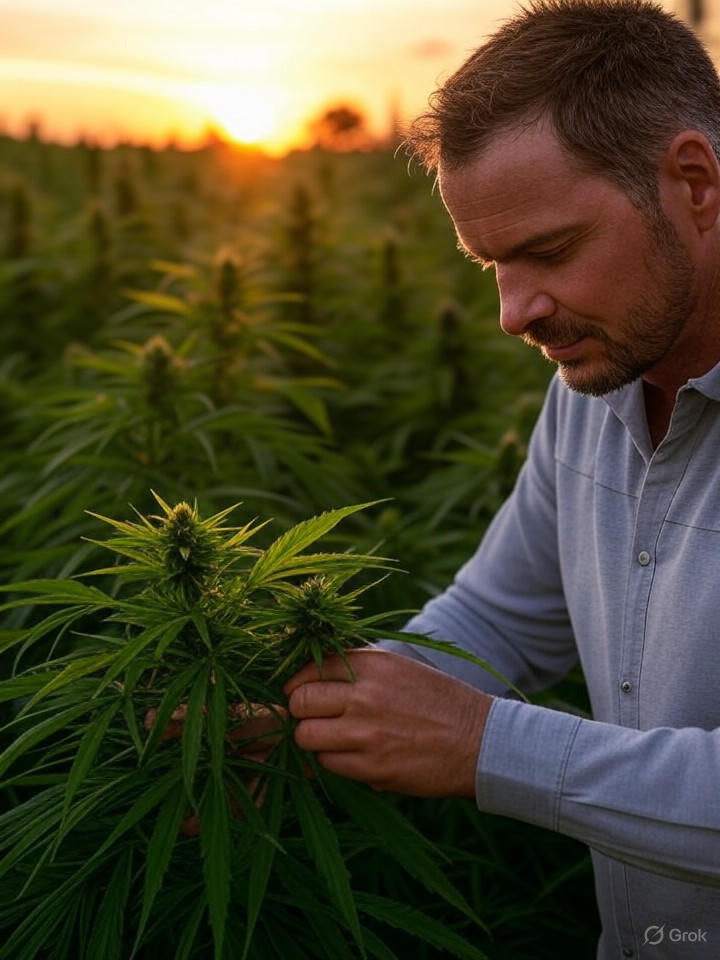
In the evolving world of culinary innovation, cannabis-infused ingredients have emerged as a flavorful frontier, blending ancient agricultural practices with modern gastronomy. From sun-kissed fields to gourmet kitchens, these ingredients—think cannabis oils, butters, and sugars—undergo a meticulous journey to ensure safety, potency, and palatability. This article traces that path, highlighting the processes, challenges, and delights of bringing farm-fresh cannabis to your table.
Cultivation: The Roots of Quality
The adventure begins on regulated farms, primarily in regions like California, Colorado, and Oregon in the U.S., where legal cannabis cultivation thrives. High-CBD hemp or THC-rich marijuana strains are selected for their cannabinoid profiles, terpenes, and flavor compounds. Farmers prioritize organic methods, controlling soil pH (ideally 6.0-7.0), nutrients, and light cycles to maximize resin production in trichomes—the glandular structures housing THC, CBD, and other goodies.
Outdoor grows harness natural sunlight for robust plants, while indoor hydroponics offer precision. Harvest time arrives when 50-70% of pistils darken, typically 8-10 weeks for flowers. Sustainability is key: regenerative farming sequesters carbon and preserves biodiversity, ensuring the crop's environmental footprint is minimal.
Harvest and Initial Processing
Once mature, plants are hand-trimmed or machine-harvested to preserve delicate buds. Drying follows in dark, humidified rooms (60% humidity, 70°F) for 5-10 days, preventing mold while preserving terpenes. Curing in glass jars for weeks enhances flavor, akin to aging fine wine.
Decarboxylation is next—a gentle heating process (240°F for 30-40 minutes) that activates cannabinoids by removing the carboxyl group. Raw cannabis offers minimal psychoactivity; decarboxylation unlocks the full potential for infusion.
Extraction: Isolating the Essence
Turning plant matter into usable extracts requires advanced techniques. Supercritical CO2 extraction is gold-standard: pressurized carbon dioxide acts as a solvent, pulling cannabinoids and terpenes without residues, yielding full-spectrum oils. Ethanol extraction is faster and cheaper but demands winterization to remove waxes.
Distillates refine crude oils into clear, potent concentrates (70-90% cannabinoids), while isolates strip everything to pure CBD or THC crystals. These form the base for infusions, with ratios calibrated for desired effects—e.g., 1:1 THC:CBD for balanced edibles.
Infusion: Crafting Culinary Staples
Infused ingredients are born here. Cannabis oil is blended with carrier oils like MCT coconut for tinctures or salad dressings. Butter (cannabutter) simmers decarboxylated flower or kief in clarified butter for hours, strained for silky smoothness. Sugars, honeys, and flours get coated or mixed for baking.
Nano-emulsification tech breaks cannabinoids into tiny particles for faster absorption and even dosing—no greasy aftertaste. Labels specify milligrams per serving, adhering to guidelines like Colorado's 10mg THC limit per edible.
Quality Control and Testing
Safety trumps all. Third-party labs test for potency (via HPLC), pesticides, heavy metals, microbes, and residual solvents. Certificates of Analysis (COAs) verify compliance, with blockchain tracking ensuring traceability from seed to shelf. This rigor protects consumers, especially in legal markets where recalls are rare but swift.
From Kitchen to Table: Culinary Magic
Chefs wield these ingredients like pros: a dash of CBD olive oil in pesto, THC chocolate ganache for desserts, or infused syrups in cocktails. Start low—5mg THC—and go slow, as edibles peak in 1-2 hours. Pair with complementary flavors: citrus cuts earthy notes, chocolate amplifies entourage effects.
Home cooks can experiment safely with recipes like cannabis-infused brownies or savory gummies, always sourcing from licensed dispensaries.
Challenges and the Road Ahead
Regulatory hurdles vary—federal U.S. hemp is legal under the 2018 Farm Bill, but THC edibles face state-by-state rules. Innovations like precision breeding for terpene-rich strains and sustainable extraction promise brighter futures.
As stigma fades, cannabis-infused cuisine integrates into fine dining, from farm-to-table restaurants to global fusion menus.
In summary, the journey from farm to table transforms humble hemp into haute cuisine, demanding science, artistry, and responsibility. Whether medicating or indulging, savor the process—and the plate.
Resources and Further Reading
- Leafly: Guide to Cannabis Extraction Methods
- USDA Hemp Production Program
- Project CBD: Decarboxylation Explained
- Edible Cannabis Infusion Basics - High Times
- Lab Testing Standards - ACS Laboratory