The Science of Onset: Designing Edibles for Predictable Experiences
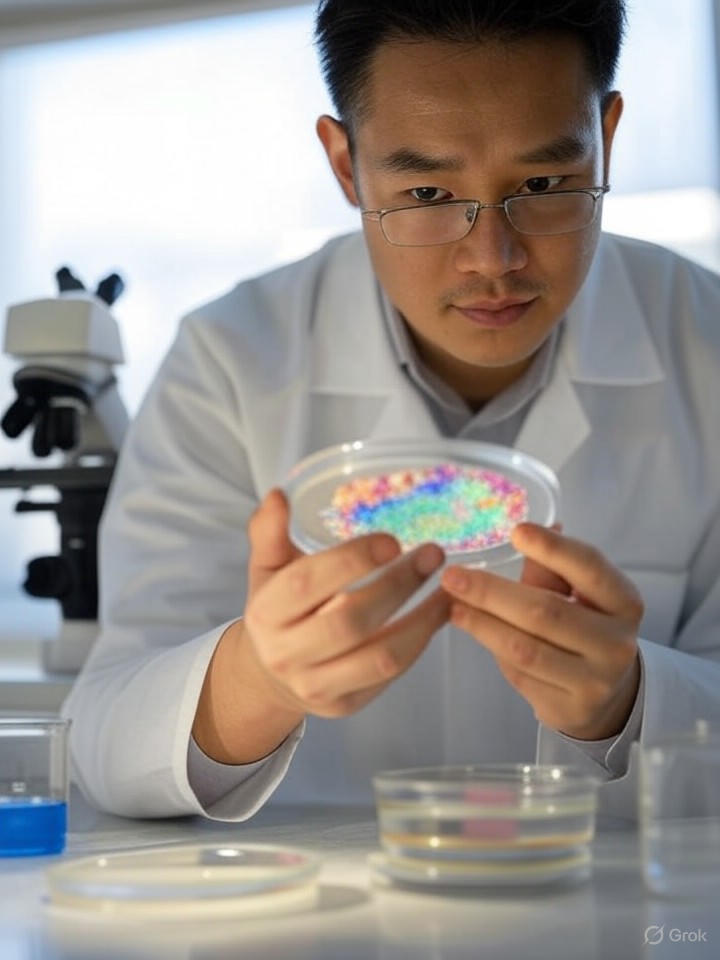
Edibles—cannabis-infused foods like gummies, chocolates, and brownies—offer a discreet and smoke-free way to consume cannabinoids. However, their hallmark unpredictability in onset time and intensity has long frustrated users. While inhalation delivers effects in minutes, edibles can take anywhere from 30 minutes to over two hours, leading to overconsumption and unpleasant experiences. This variability stems from complex pharmacokinetics, but advancements in formulation science are paving the way for more reliable dosing. Understanding the biology and chemistry behind edible onset empowers producers to design products with consistent, predictable effects.
The Biology of Edible Onset
When cannabis is ingested, delta-9-tetrahydrocannabinol (THC) doesn't enter the bloodstream directly like it does when smoked or vaped. Instead, it passes through the digestive system and liver, undergoing "first-pass metabolism." Here, the liver converts THC into 11-hydroxy-THC (11-OH-THC), a more potent metabolite with stronger psychoactive effects and a longer half-life.
This process explains the delayed and amplified high:
- Absorption Phase: THC must dissolve in stomach acids and fats before crossing into the intestines for uptake. Empty stomachs speed this up (onset ~30-60 minutes), while full meals delay it (up to 2-3 hours).
- Bioavailability Challenge: Only 6-20% of oral THC reaches systemic circulation due to degradation in the gut and liver metabolism.
- Variability Factors: Genetics (e.g., CYP2C9 enzyme variations), body weight, age, liver function, tolerance, and even gut microbiome influence speed and intensity.
Studies, such as those from the National Institutes of Health, highlight how these factors create a "window of uncertainty," prompting users to redose prematurely.
Key Challenges in Traditional Edibles
Conventional edibles rely on simple infusion methods—mixing cannabis oil or butter into recipes—which lead to inconsistent particle sizes and poor solubility. THC is lipophilic (fat-loving), so it binds unevenly in watery doughs or gels, resulting in "hot spots" of high potency.
Other hurdles include:
- Food Matrix Effects: Fats enhance absorption (e.g., brownies > gummies), but proteins or fibers can slow it.
- Dose Uniformity: Handmade batches vary; even lab-tested products degrade over time if not stabilized.
- Psychoactive Mismatch: Users expect inhalation-like onset, but edibles deliver a creeping, body-focused high.
Innovations in Edible Design for Predictability
Forward-thinking manufacturers are leveraging nanotechnology, encapsulation, and delivery tweaks to control onset:
- Nanoemulsification: THC is broken into particles under 100 nanometers, increasing surface area for rapid gut absorption. Brands like Kiva Confections use this for gummies with 15-30 minute onsets—up to 4x faster than standard edibles. Nano-THC bypasses some first-pass effects, boosting bioavailability to 30-50%.
- Liposomal and Micellar Technology: Cannabinoids are encased in lipid vesicles (liposomes) or micelles, protecting them from stomach acid and enhancing uptake. This mimics drug delivery systems used for pharmaceuticals.
- pH-Resistant Formulations: Enteric coatings dissolve only in the intestines, skipping harsh stomach acids for steadier release.
- Hybrid Delivery: Water-soluble tinctures or sublingual strips combined with edibles reduce variability.
- Personalization Tools: Apps and at-home tests measure user metabolism, while AI-driven dosing calculators predict effects.
Clinical trials, including those published in the Journal of Pharmaceutical Sciences, show nanoemulsions cut onset time by 50% and reduce peak variability by 70%.
Safety, Regulation, and Consumer Tips
Predictable edibles demand rigorous testing: third-party labs verify potency (e.g., <10% variance per serving) and stability. Regulations in legal markets like California mandate clear labeling: "Start low, go slow—wait 2 hours."
Consumers should:
- Consume on an empty stomach for faster onset.
- Microdose (2.5-5mg THC) initially.
- Pair with fats like nut butter.
- Avoid alcohol, which accelerates absorption unpredictably.
Overdesigning for speed risks intensity spikes, so balance is key.
The Future of Reliable Edibles
As cannabis legalization expands, edible science is evolving toward "pharma-grade" precision. Expect AI-optimized recipes, genetic-matched products, and sustained-release formats for all-day effects without peaks. Companies like Wana Brands and Wyld are leading with nano-infused lines, proving predictability enhances safety and satisfaction.
In summary, mastering onset transforms edibles from gamble to go-to. By decoding metabolism and deploying cutting-edge tech, the industry is delivering experiences users can trust.
References and Further Reading
- NIH: Pharmacokinetics of Oral THC
- Leafly: Nanoemulsions Explained
- Journal of Pharmaceutical Sciences: Cannabinoid Nanoformulations30523-5/fulltext)
- High Times: Liposomal Cannabis Tech
- Kiva Confections: Nano Bites Product Page