Food Safety 101 for Professional Cannabis Kitchens
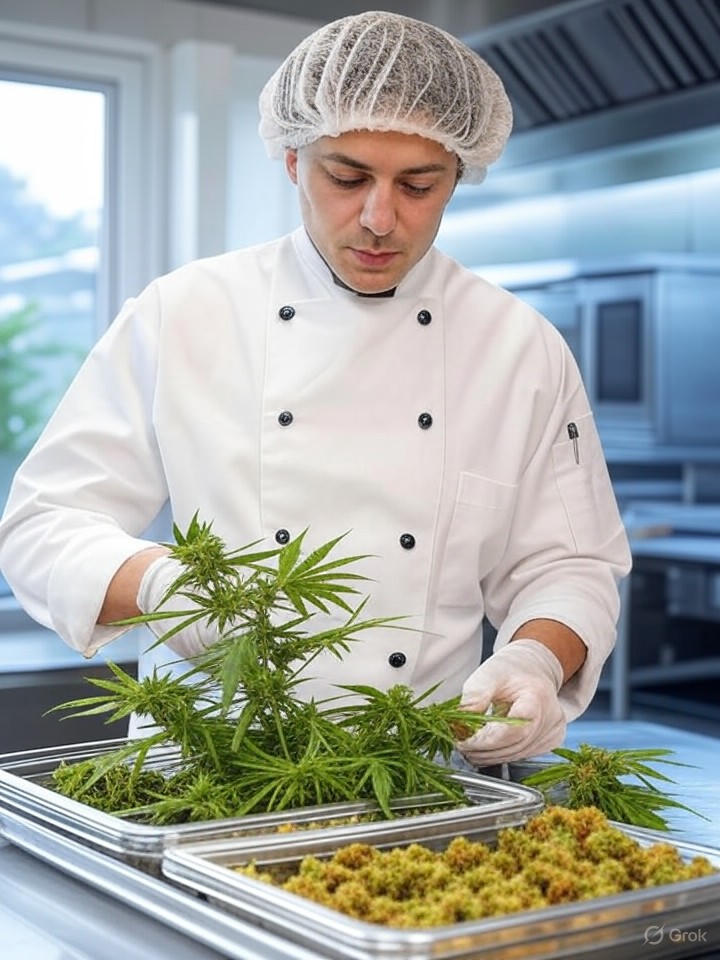
In the rapidly growing cannabis edibles industry, where infused products like gummies, chocolates, and baked goods are increasingly popular, food safety is non-negotiable. Professional cannabis kitchens operate under strict regulations to ensure consumer protection, prevent contamination, and maintain product quality. Poor hygiene or mishandling can lead to recalls, illnesses, or legal penalties. This guide covers the essentials of food safety tailored to cannabis-infused production, drawing from established principles like Hazard Analysis and Critical Control Points (HACCP) and cannabis-specific guidelines.
Navigating Regulations and Compliance
Cannabis kitchens must adhere to both general food safety laws and cannabis-specific rules, which vary by jurisdiction. In the U.S., federally legal food safety standards from the FDA apply alongside state cannabis regulations.
- Licensing and Inspections: Obtain a commercial kitchen license and cannabis manufacturing permit. Expect regular health department inspections focusing on pathogen testing (e.g., Salmonella, E. coli) and potency accuracy.
- Good Manufacturing Practices (GMPs): Follow FDA's Current Good Manufacturing Practice (cGMP) rules for sanitation, equipment, and record-keeping.
- Cannabis-Specific Rules: States like California and Colorado require child-resistant packaging, lab testing for contaminants, and accurate labeling of THC/CBD levels.
Stay updated via your state's cannabis regulatory body to avoid fines or shutdowns.
Core Food Safety Principles
Adopt the four pillars of food safety: clean, separate, cook, and chill, adapted for cannabis handling.
1. Personal Hygiene and Employee Training
Staff are the first line of defense. Require all employees to complete food handler certification (e.g., ServSafe) and cannabis-specific training.
- Wash hands for 20 seconds with soap before handling ingredients, after breaks, or using the restroom.
- Wear clean uniforms, hairnets, gloves, and beard covers.
- No bare-hand contact with ready-to-eat foods; use utensils or gloves.
- Exclude ill workers (e.g., vomiting, diarrhea) and maintain health logs.
2. Preventing Cross-Contamination
Cannabis extracts (oils, tinctures) can harbor mold or pesticides if not properly sourced.
- Use color-coded cutting boards: green for produce, red for raw proteins, blue for cannabis infusions.
- Dedicate equipment for raw cannabis vs. finished products to avoid allergen or cannabinoid cross-over.
- Store raw cannabis separately from finished edibles at controlled temperatures (below 41°F/5°C for perishables).
3. Temperature Control and Cooking
Infusions require precise heat to activate cannabinoids without degrading them.
- Hot-hold foods above 135°F (57°C); cold-hold below 41°F (5°C).
- Cook edibles to internal temperatures that kill pathogens (e.g., 165°F/74°C for baked goods with eggs).
- Monitor decarboxylation processes for THC activation, ensuring even heating to prevent hot spots.
4. Cleaning and Sanitation
A spotless kitchen prevents biofilm buildup, especially in sticky infusion areas.
- Clean daily with approved sanitizers (e.g., quaternary ammonium or chlorine at 50-200 ppm).
- Sanitize high-touch surfaces like infusion tanks and mixers after each batch.
- Implement a master sanitation schedule with ATP swab testing for verification.
Cannabis-Unique Challenges
Edibles introduce complexities beyond traditional foods.
- Potency Uniformity: Poor mixing leads to "hot spots." Use validated infusion methods like ultrasonic extraction or double-boiler techniques, followed by lab testing.
- Microbial Risks: Raw cannabis flowers can carry Aspergillus mold. Source from tested suppliers and pasteurize infusions.
- Allergen Management: Clearly identify common allergens (nuts, dairy) in infused products.
- Shelf Life: Cannabinoids degrade with light, heat, and oxygen. Use opaque, airtight packaging and stability testing.
Pest Control and Facility Design
Design your kitchen to deter pests: sealed doors, screened vents, and smooth, non-porous surfaces.
- Conduct weekly inspections and use integrated pest management (IPM) with traps over poisons.
- Store dry goods in sealed bins elevated off the floor.
Labeling, Testing, and Traceability
Transparency builds trust.
- Labels must include serving size, total THC/CBD, ingredients, allergens, and expiration dates.
- Test every batch for potency, pesticides, heavy metals, and microbes via accredited labs.
- Maintain lot codes for full traceability from seed to sale.
Conclusion
Mastering food safety in professional cannabis kitchens ensures safe, high-quality edibles that comply with regulations and delight customers. Invest in training, robust SOPs (standard operating procedures), and third-party audits. Prioritize prevention over reaction—your reputation and consumers' health depend on it. Regular mock recalls and team drills will keep your operation sharp.
Resources
- FDA Food Safety Modernization Act (FSMA)
- ServSafe Food Handler Training
- California Department of Cannabis Control Kitchen Guidelines
- Colorado Marijuana Enforcement Division Edibles Rules
- HACCP Alliance for Cannabis