Building a Gourmet Edibles Brand: From Concept to Packaging to Retail Shelf
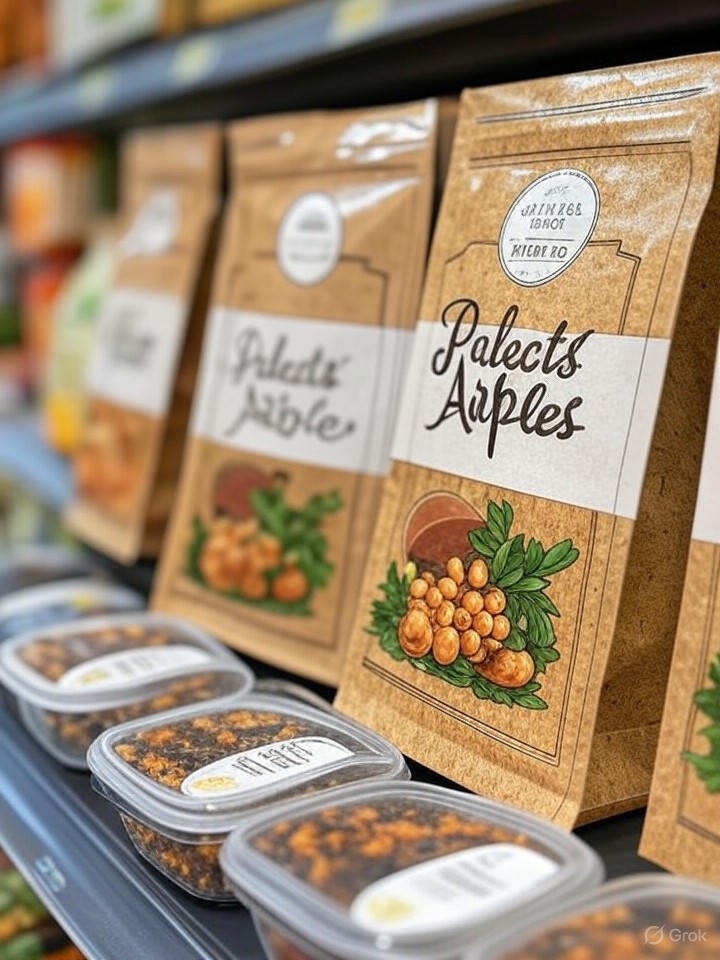
In the booming cannabis industry, gourmet edibles have emerged as a premium category, blending culinary artistry with the therapeutic benefits of THC and CBD. These aren't your average gummies or brownies—they're sophisticated confections like truffle-infused chocolates, fruit gelees, or savory herb crisps, crafted for discerning palates. Building a successful brand requires navigating creativity, compliance, and commerce. This article guides you through the journey from initial spark to securing retail shelf space.
Step 1: Developing Your Concept
Every great brand starts with a vision. Identify your niche: Are you focusing on vegan, low-sugar, or terpene-infused edibles? Research market gaps using tools like Google Trends or industry reports from New Frontier Data.
- Define your unique selling proposition (USP): What sets you apart? Perhaps single-origin cannabis extracts paired with exotic fruits.
- Target audience: Connoisseurs seeking luxury experiences or wellness enthusiasts prioritizing clean ingredients.
- Competitor analysis: Study brands like Kiva Confections or Wana Brands for inspiration.
Validate your idea with focus groups or surveys on platforms like SurveyMonkey. Aim for products with broad appeal but premium pricing—$10–$20 per package.
Step 2: Recipe Development and Testing
Transition from concept to prototype in a licensed kitchen. Partner with a cannabis-infused product developer or hire a culinary consultant experienced in decarboxylation and infusion techniques.
- Key considerations:
| Aspect | Best Practices |
|-----------------|-----------------------------------------|
| Dosing | Consistent 5–10mg THC per serving; use lab-tested distillate. |
| Flavor Profile | Balance cannabis earthiness with bold flavors like citrus or chocolate. |
| Shelf Stability| Incorporate natural preservatives; test for potency retention over 6–12 months. |
| Texture | Achieve gourmet mouthfeel—silky ganache or crisp wafers. |
Conduct iterative testing: Bake batches, lab-test for cannabinoids via ISO-accredited labs like SC Labs, and gather feedback. Budget $5,000–$15,000 for initial R&D.
Step 3: Branding and Identity
Your brand story sells the dream. Craft a narrative around indulgence and innovation.
- Logo and Visuals: Hire a designer via 99designs for elegant, minimalist aesthetics evoking luxury (think black-foiled packaging).
- Naming: Memorable and compliant—avoid medical claims. Examples: "Elysian Bites" or "Velvet Verde."
- Marketing Assets: Develop a website with Shopify, high-res photos, and strain-specific pairing guides.
Secure trademarks early through the USPTO to protect your IP.
Step 4: Packaging Design and Compliance
Packaging is your silent salesperson—and a regulatory minefield. In legal markets like California or Colorado, child-resistant, opaque packaging is mandatory.
- Design Essentials:
- Materials: Recyclable, matte-finish boxes with embossing for premium feel.
- Labeling: Include serving size, potency (mg/serving), allergens, ingredients, and warnings like "Keep out of reach of children."
- Tech Integration: QR codes linking to lab results and batch tracking.
- Suppliers: Work with specialists like Green Thumb Packaging or VisiPak for compliant solutions. Costs: $0.50–$2 per unit at scale.
Test for tamper-evidence and drop resistance. Aim for sustainability to appeal to eco-conscious consumers.
Step 5: Legal, Manufacturing, and Scaling
Compliance is non-negotiable. Obtain licenses: Cultivator/manufacturer permits from state cannabis boards (e.g., CCDOA in CA).
- Kitchen Setup: Start co-packing with facilities like Kiva's partners or build your own (100k+ sq ft for scale).
- Quality Control: Implement HACCP plans, third-party testing for contaminants (pesticides, microbes).
- Funding: Bootstrap or seek investors via platforms like Republic or cannabis-specific VCs like Casa Verde.
Scale production: From 1,000 units/week to 10,000+ with automation.
Step 6: Distribution and Retail Placement
Getting on shelves demands hustle.
- Wholesale Channels: Pitch to dispensaries via B2B platforms like Dutchie or Jane Technologies.
- Retail Strategy: Target high-end spots like MedMen or The Artist Tree. Offer demos and POS materials.
- Pricing Tiers: Wholesale at 50–60% of retail ($5–$12/unit).
- Metrics for Success: Track sell-through rates >70%, repeat orders.
Build relationships at trade shows like MJBizCon. Use data analytics from Leafly for inventory insights.
Challenges and Pro Tips
- Common Pitfalls: Inconsistent dosing (ruins trust), overpricing, or ignoring regs (fines up to $30k).
- Pro Tips: Start small in one market. Leverage influencers for authentic endorsements. Monitor trends like functional edibles (mushroom blends).
With persistence, your brand could join icons like Kikoko. The edibles market is projected to hit $10B by 2025—your gourmet twist could claim a slice.
Resources and Links
- New Frontier Data: Cannabis Market Reports
- SC Labs: Cannabinoid Testing
- California Department of Cannabis Control
- Green Thumb Packaging: Compliant Solutions
- MJBizCon: Industry Trade Show
- Leafly: Retail Analytics
- Shopify for Cannabis Brands