Designing a multi-course infused tasting menu
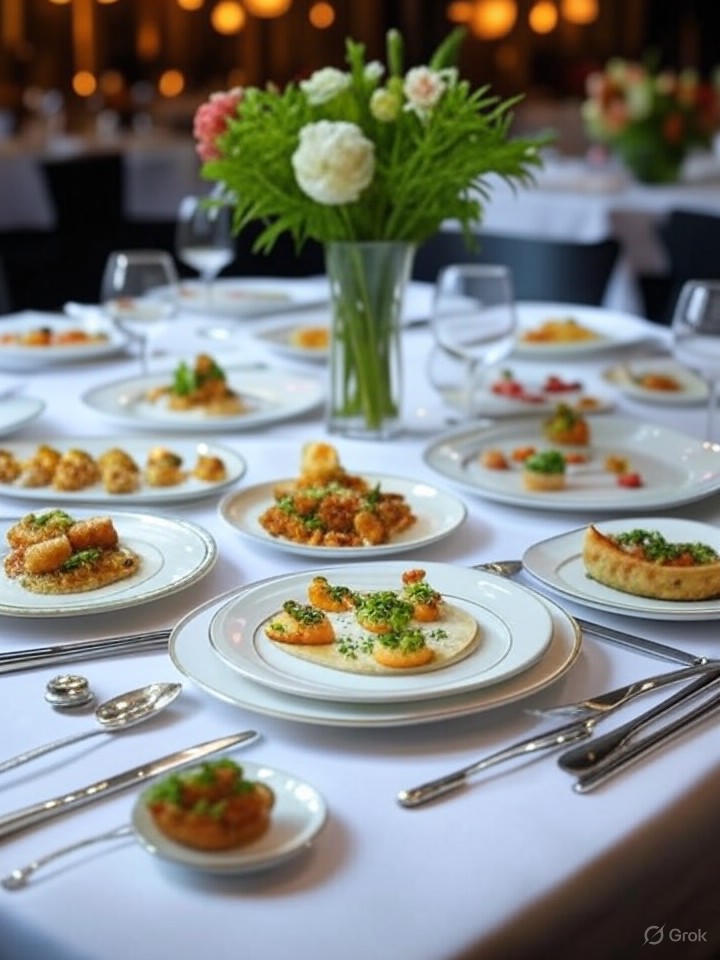
Tasting menus have become a hallmark of fine dining, offering diners a curated journey through flavors, textures, and techniques. When you infuse these courses with complementary elements—such as herbs, spices, teas, spirits, or even subtle botanical extracts—the experience elevates to something truly memorable. An infused tasting menu balances bold infusions with delicate presentations, ensuring each bite builds on the last. Whether you're a home chef, restaurateur, or culinary enthusiast, designing one requires thoughtful planning, creativity, and precision. This guide walks you through the process, complete with a sample menu.
Step 1: Define Your Theme and Concept
Start with a unifying theme to tie the menu together. Infusions shine when they tell a story—perhaps seasonal botanicals, global spirits, or unexpected pairings like tea-infused seafood.
- Brainstorm infusions: Choose 4-6 core elements (e.g., rosemary, yuzu, gin, matcha) that complement each other without overwhelming the palate.
- Course count: Aim for 6-10 courses, including an amuse-bouche and petits fours. Keep portions small (2-3 bites per course).
- Dietary considerations: Note allergens, vegan options, and alcohol levels early.
Example theme: "Herbal Harmony" – infusions drawing from garden herbs and light spirits for a fresh, spring-inspired progression.
Step 2: Master the Art of Infusion
Infusions extract flavors slowly, amplifying subtlety. Techniques include cold infusion (for clarity), heat infusion (for intensity), and fat infusion (for richness).
- Preparation tips:
| Infusion Type | Method | Time | Best For |
|---------------|--------|------|----------|
| Herb (e.g., basil) | Cold steep in oil/vinegar | 24-48 hours | Dressings, marinades |
| Spirit (e.g., gin) | Muddle and steep | 1-7 days | Reductions, foams |
| Tea (e.g., jasmine) | Hot brew, strain | 5-10 minutes | Broths, gels |
| Spice (e.g., saffron) | Infuse in milk/cream | 30 minutes | Custards, sauces |
Test small batches to avoid bitterness. Use high-quality, organic ingredients for purity.
Step 3: Structure the Menu Progression
Build from light to rich, cool to warm, acidic to sweet. Each course should highlight one primary infusion while nodding to the theme.
Sample 7-Course Herbal Harmony Menu (Serves 4)
1. Amuse-Bouche: Cucumber Basil Spheres
Basil-infused gin gelée spheres on cucumber slices. Crisp, effervescent start.
2. Course 1: Rosemary-Smoked Scallop
Seared scallop with rosemary-infused butter foam and pickled radish. Smoky, briny introduction.
3. Course 2: Thyme Chicken Consommé
Clear thyme-infused broth with quail egg and microgreens. Light, aromatic cleanse.
4. Course 3: Lavender Beet Tartare
Lavender-infused beet "tartare" with goat cheese snow and hazelnut crumble. Earthy midpoint pivot.
5. Course 4: Mint Pea Raviolo
Single raviolo of mint-infused pea purée, brown butter, and shaved truffle. Creamy, verdant peak.
6. Course 5: Sage Duck Breast
Sous-vide duck with sage-infused jus, charred carrot, and fermented plum. Hearty transition.
7. Dessert: Lemon Verbena Sorbet Parfait
Layers of lemon verbena sorbet, meringue, and shortbread. Bright, refreshing close.
Pair with wines: Start with Sauvignon Blanc, progress to Pinot Noir, end with Sauternes.
Step 4: Focus on Balance, Pairings, and Presentation
- Flavor harmony: Use the "rule of thirds"—one infusion leads, supported by acid, fat, and crunch.
- Pairings: Non-alcoholic options like infused waters or teas mirror the menu.
- Plating: Employ negative space on minimalist plates. Edible flowers and microherbs enhance visuals without dominating taste.
- Pacing: 90-120 minutes total; 8-10 minutes per course.
Step 5: Execution and Pro Tips
- Prep timeline: Infusions 1-3 days ahead; mise en place day-of.
- Scaling: For events, multiply by 1.2x for waste.
- Common pitfalls: Over-infusion (dilute with neutral base); monotony (vary temperatures/textures).
- Sustainability: Source local herbs; repurpose infusion scraps for stocks.
Experiment iteratively—host tastings with friends for feedback. With practice, your infused tasting menu will captivate and inspire.
In conclusion, designing a multi-course infused tasting menu is about orchestration: harmonizing infusions into a symphony of flavors. It's labor-intensive but profoundly rewarding, turning a meal into an event.
Resources and Links
- Serious Eats on Infusion Techniques: https://www.seriouseats.com/infusions-oils-vinegars
- Eater's Guide to Tasting Menus: https://www.eater.com/tasting-menus-explained
- Modernist Cuisine Recipes (Infused Gels/Foams): https://modernistcuisine.com/recipes/
- The Flavor Bible for Pairing Ideas: https://www.amazon.com/Flavor-Bible-Essential-Pairings-Ingredients/dp/0316118400
- Herb Infusion Workshop (Video): https://www.youtube.com/watch?v=herb-infusion-basics