Infusing sauces, reductions, and vinaigrettes
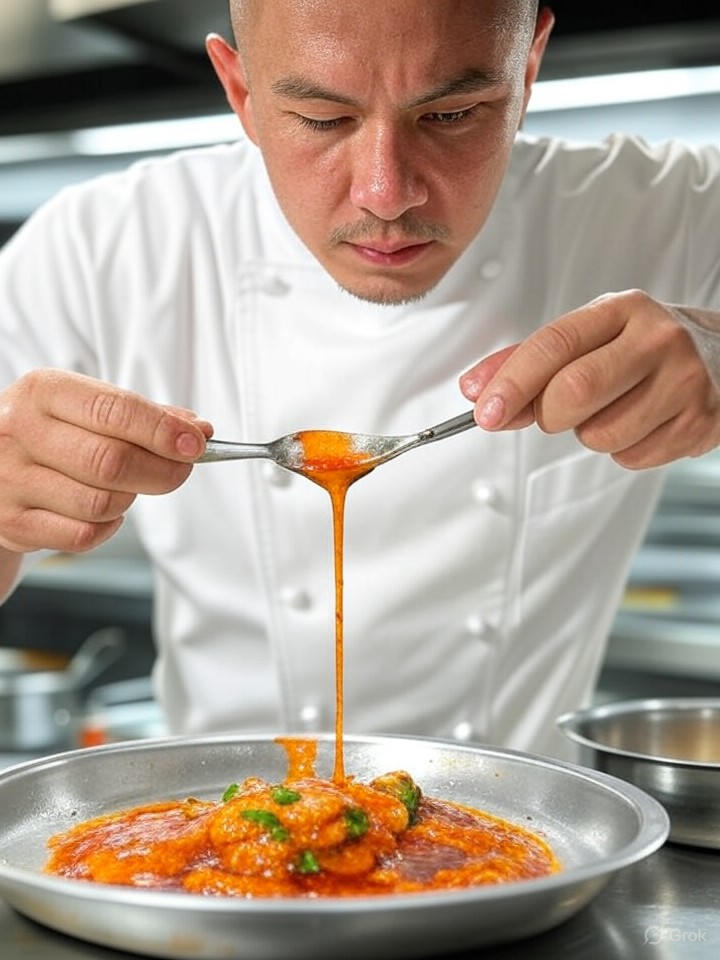
Infusions are a cornerstone of fine cooking, allowing chefs to subtly layer complex flavors into everyday bases like sauces, reductions, and vinaigrettes. By steeping herbs, spices, fruits, or even teas in these liquids, you extract essential oils and aromas without overpowering the dish. This technique transforms simple preparations into gourmet accompaniments, enhancing everything from grilled meats to fresh salads. Whether you're a home cook or aspiring professional, mastering infusions opens a world of creativity in the kitchen.
Understanding the Basics of Infusion
At its core, infusion involves soaking flavorings in a liquid medium to draw out their essence. Heat accelerates the process by opening up cellular structures in ingredients, while cold infusion preserves delicate, volatile notes. Key factors include:
- Ingredient choice: Fresh herbs for brightness, dried spices for depth, citrus peels for acidity.
- Ratio: Start with 1-2 tablespoons of infuser per cup of base liquid.
- Time: 15-30 minutes for heat infusions; 24-48 hours for cold.
- Straining: Use cheesecloth or a fine mesh sieve to remove solids.
Always taste as you go and adjust for balance—infusions intensify over time.
Infusing Sauces: Building Layers of Flavor
Sauces, whether creamy, butter-based, or stock-derived, are ideal for infusions because they cling to food and carry nuanced tastes. Heat gently to avoid bitterness.
Technique
1. Prepare your base (e.g., béchamel, hollandaise).
2. Add infusers like rosemary, garlic, or saffron.
3. Simmer on low heat for 10-20 minutes, off heat if delicate.
4. Strain and finish with butter or acid for brightness.
Example: Thyme-Infused Pan Sauce
- Sauté 4 chicken thighs; remove and deglaze pan with 1 cup chicken stock.
- Add 3 thyme sprigs, 1 shallot (sliced), and 1 bay leaf.
- Reduce by half (about 10 minutes), strain, swirl in 2 tbsp butter.
Pairs perfectly with roasted vegetables.
This method works for Asian-inspired sauces too—infuse soy sauce with ginger and star anise for stir-fries.
Infusing Reductions: Concentrating Intensity
Reductions start with liquids like wine, stock, or vinegar, simmered to syrupy consistency. Infusions here amplify as evaporation concentrates flavors, making them potent glazes.
Technique
1. Combine base with infusers (e.g., balsamic + cherries).
2. Simmer uncovered until reduced by 75% (viscous but pourable).
3. Skim foam; strain early if solids risk burning.
4. Cool slightly to assess thickness—reheat thins it out.
Example: Blackberry-Balsamic Reduction
- In a saucepan, mix 1 cup balsamic vinegar, 1 cup blackberries, 1 cinnamon stick, and 2 tbsp honey.
- Reduce over medium heat for 20-25 minutes to 1/4 cup.
- Strain for a glossy glaze ideal for pork tenderloin or cheese boards.
Pro tip: Alcohol-based reductions (red wine + peppercorns) shine with game meats, as the booze evaporates, leaving pure essence.
Infusing Vinaigrettes: Bright and Balanced Dressings
Vinaigrettes blend oil and acid (vinegar or citrus), emulsified for stability. Infuse components separately to control oil's richness versus vinegar's tang.
Technique
1. Infuse oil (e.g., olive oil + basil) at room temp for 1-2 weeks or gently heat for 30 minutes.
2. Infuse vinegar similarly (e.g., white wine vinegar + shallots).
3. Whisk 3 parts infused oil to 1 part infused vinegar; add mustard for emulsion.
4. Store in fridge up to 2 weeks—shake before use.
Example: Lemon-Garlic Vinaigrette
- Infuse 1 cup extra-virgin olive oil with 2 lemon peels and 2 garlic cloves (heat to 140°F/60°C for 20 minutes, cool).
- Mix with 1/3 cup lemon-infused white wine vinegar, 1 tsp Dijon, salt, and pepper.
- Drizzle over arugula salads or grilled fish.
For fruit-forward twists, infuse raspberry vinegar with fresh berries.
Pro Tips for Success
- Avoid bitterness: Don't boil delicate herbs; use gentle heat.
- Storage: Refrigerate infusions; oils solidify—let warm to liquify.
- Scaling: Double infusers for stronger flavors, but test small batches.
- Pairings: Match infusions to proteins—citrus with fish, woods with red meats.
- Safety: Discard after 1-2 weeks; use clean jars to prevent spoilage.
Experimentation is key—infuse with tea leaves for umami or chilies for heat.
Conclusion
Infusing sauces, reductions, and vinaigrettes is an accessible way to elevate your cooking with minimal effort. These techniques reward patience and palate, turning pantry staples into signature flavors. Start simple, refine through trial, and soon you'll craft dishes that impress.
Recommended Resources
- Serious Eats: Guide to Infused Oils and Vinegars
- Food & Wine: Reduction Sauce Recipes
- Bon Appétit: Best Vinaigrette Techniques
- The Kitchn: Herb-Infused Sauces