How chefs develop signature infused dishes
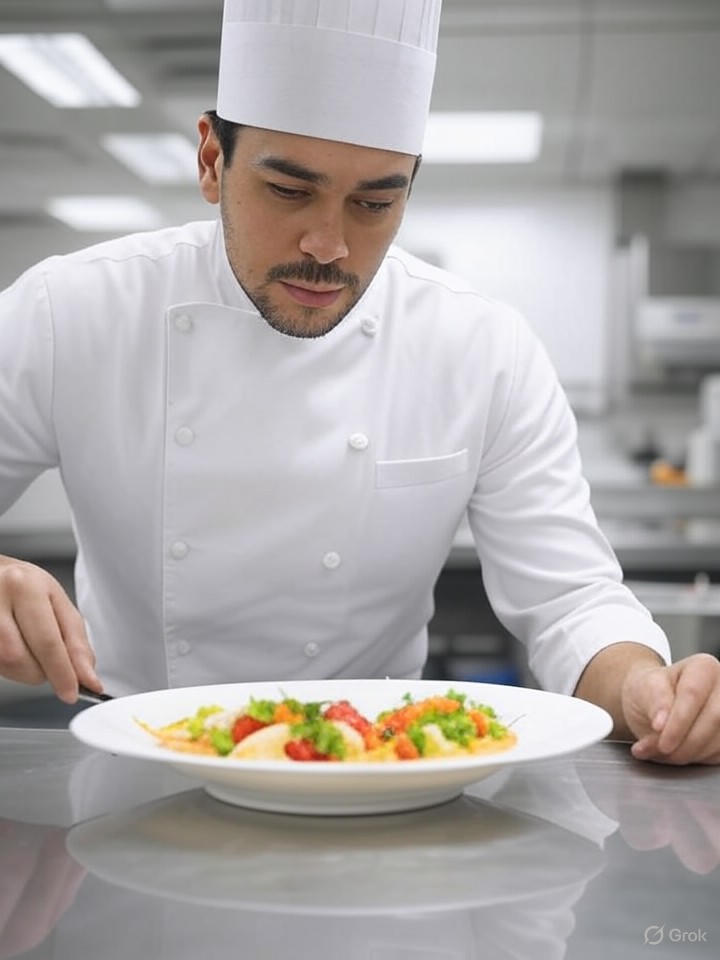
In the world of fine dining, signature dishes are the hallmarks of a chef's identity, often becoming menu staples that draw diners from afar. Among these, infused dishes stand out for their layered complexity—where one ingredient's essence is meticulously extracted and embedded into another, creating harmonious, unexpected flavor profiles. Think truffle-infused burrata, yuzu-perfumed foie gras, or smoked tea-infused chocolate. But how do chefs transform a fleeting idea into a reproducible masterpiece? This article delves into the step-by-step process, blending creativity, science, and relentless iteration.
The Spark of Inspiration: Ideation and Conceptualization
Every signature infused dish begins with inspiration. Chefs draw from diverse sources: seasonal produce, global travels, childhood memories, or even scientific curiosity. For instance, René Redzepi of Noma fame often starts with foraged Nordic ingredients, infusing them to amplify hyper-local terroir.
The process kicks off with brainstorming sessions. Chefs sketch flavor maps—visual diagrams plotting base ingredients against potential infusers. Questions guide this phase: What emotion or story should the dish evoke? Is it bold and umami-driven, like miso-infused beef, or subtle and floral, such as lavender-infused crème brûlée? Personal anecdotes play a key role; Heston Blumenthal of The Fat Duck has spoken about how his bacon-and-egg ice cream stemmed from nostalgic breakfast infusions.
Selecting Ingredients: Balance and Compatibility
Ingredient choice is paramount. The base (e.g., oil, butter, cream, or protein) must be neutral enough to absorb flavors without clashing. Fat-soluble compounds shine here—herbs like basil or spices like saffron release best into oils or butters.
Chefs prioritize synergy: complementary flavor families (e.g., citrus with seafood) and volatility (aromas that bloom over time). Sourcing matters too—organic herbs for purity or rare varietals like Kaffir lime leaves for uniqueness. Allergens and sustainability are non-negotiable; many now opt for plant-based infusions amid rising vegan demands.
Mastering Infusion Techniques: Extraction Methods
Infusion is both art and science, relying on diffusion—molecules migrating from infuser to base via solvents like fat, alcohol, or water. Common techniques include:
- Cold Infusion: Gentle for delicate flavors (e.g., vanilla bean in milk overnight). Preserves volatiles but takes time—up to 48 hours.
- Hot Infusion: Accelerates extraction (e.g., simmering garlic in olive oil). Risks bitterness if overheated.
- Sous-Vide: Precision-controlled (e.g., 55°C for 4 hours with rosemary in butter). Ensures even infusion without degradation.
- Advanced Methods: Centrifugation for clarity (à la molecular gastronomy) or ultrasonic extraction for efficiency in high-volume kitchens.
Chefs test small batches, using tools like refractometers for sugar balance or GC-MS (gas chromatography-mass spectrometry) in R&D labs to profile aroma compounds.
Experimentation and Iteration: The Trial-and-Error Crucible
Development is iterative. A chef might prepare 20 variants of a chili-infused chocolate mousse, tweaking ratios (e.g., 5g chili per 500g cream) and steeping times. Tasting panels—comprising sous-chefs, sommeliers, and even regulars—provide feedback on balance, intensity, and mouthfeel.
Data logging is crucial: spreadsheets track variables like temperature, duration, and sensory scores (1-10 for aroma, taste, aftertaste). Failures abound—over-infused dishes can taste medicinal—but each informs the next. Grant Achatz of Alinea iterated hundreds of times on his black truffle explosion, using agar to encapsulate explosive flavors.
Refining for the Kitchen: Scalability and Consistency
A lab triumph must scale. Chefs standardize recipes: vacuum-sealing for repeatable sous-vide infusions or industrial dehydrators for powdered infusions. Shelf life testing ensures viability—refrigerated herb oils last weeks, while alcohol-based ones months.
Consistency relies on supplier audits and staff training. Visual cues (color shifts) and timers replace guesswork. For signature status, the dish gets plated dramatically—perhaps spherified infused droplets for theater.
Infusing Storytelling: Making It Signature
What elevates an infusion to "signature"? Uniqueness and narrative. Chefs weave personal tales: Dominique Crenn's poetry-infused dishes at Atelier Crenn evoke emotion through subtle elderflower infusions. Branding helps—naming it "Grandma's Saffron Dream" ties it to heritage.
Legal protection via trademarks safeguards icons, like Thomas Keller's Oysters and Pearls (pearl tapioca with oyster-infused sabayon).
Challenges and Innovations
Pitfalls include uneven extraction, oxidation (rancid notes), or legal hurdles (e.g., FDA rules on infused honeys). Solutions? Antioxidants like vitamin C, or cryo-concentration for potency.
Trends push boundaries: fermentation-infused (koji in meats), CBD-infused desserts, or AI flavor-pairing software from companies like IBM Chef Watson.
Conclusion: The Enduring Legacy of Infused Mastery
Developing signature infused dishes is a symphony of intuition and rigor, yielding plates that linger in memory. As dining evolves, these creations redefine cuisine, proving that true innovation blooms from patient infusion. Aspiring chefs: start small, taste boldly, and let flavors tell your story.
Further Reading and Resources:
- https://www.eater.com/2018/10/15/17978588/heston-blumenthal-fat-duck-interview (Heston Blumenthal on flavor innovation)
- https://noma.dk/journal/infusion-techniques/ (Noma's guide to natural infusions)
- https://www.seriouseats.com/infusion-basics (Serious Eats tutorial on home infusion techniques)
- https://www.alinearestaurant.com/stories/black-truffle-explosion (Alinea's truffle infusion breakdown)
- https://www.sciencedirect.com/science/article/pii/S0308814619301234 (Scientific paper on ultrasonic flavor extraction)