Plating and presentation tips for infused dishes
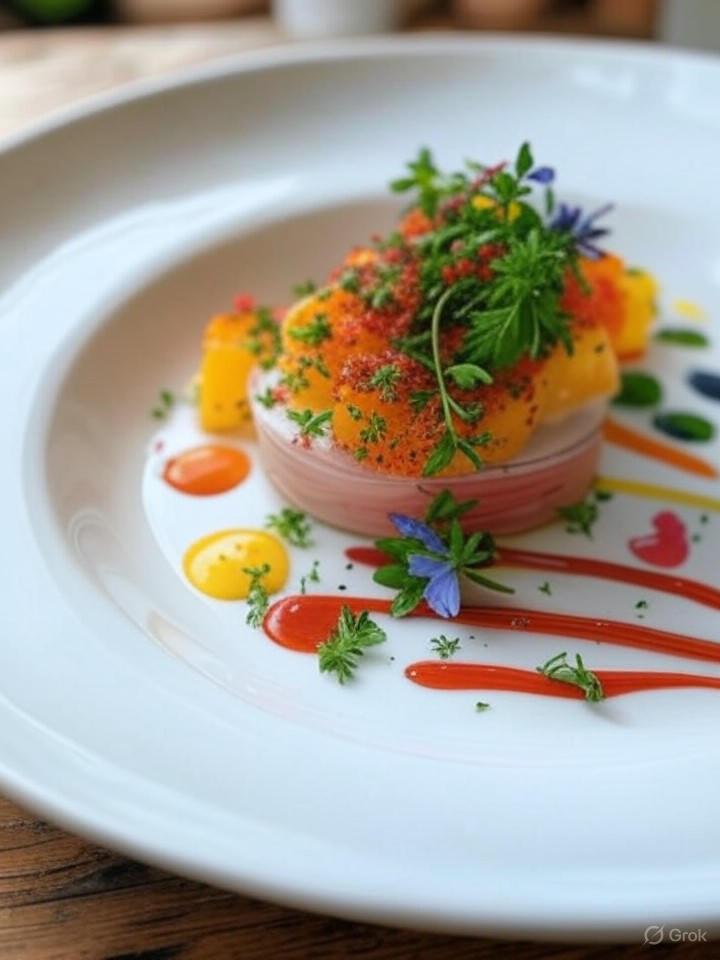
Infused dishes—whether cannabis-infused edibles, herb-essence oils, or spirit-soaked delicacies—demand more than just impeccable flavor. Their presentation is crucial to entice the palate and eye, especially when subtle infusions like THC, CBD, or botanical extracts are involved. A thoughtfully plated dish communicates sophistication, balances visual appeal with the infusion's potency, and enhances the dining experience. In this guide, we'll explore expert plating techniques tailored for infused cuisine, helping home chefs and professionals alike transform ordinary plates into stunning masterpieces.
Why Presentation Matters for Infused Dishes
Infused foods often carry a stigma of being "functional" rather than fine dining. However, masterful plating shifts perceptions, masking any herbal undertones visually while highlighting complementary elements. Key benefits include:
- Appetite Stimulation: Vibrant colors and textures trigger hunger hormones.
- Portion Control: Neat plating encourages mindful consumption, vital for dosed infusions.
- Thematic Storytelling: Presentation can evoke the infusion's origin, like earthy tones for cannabis or floral pops for lavender.
Core Principles of Plating Infused Dishes
Follow these foundational rules to build a strong base:
1. The Clock Rule: Imagine the plate as a clock face. Place proteins or mains at 6 o'clock (for the primary viewer), starches at 10-11, and vegetables at 2 o'clock. For infused desserts, center the infused element with accents radiating outward.
2. Odd Numbers Rule: Use groups of 3, 5, or 7 for garnishes—odd counts create natural asymmetry that's more dynamic than even pairings.
3. Layering for Height: Stack elements vertically to add drama. Start with a smear of infused sauce at the base, layer proteins, then top with microgreens or crisps. Aim for 2-4 inches of height without toppling.
Tailored Tips for Infused Presentations
Infusions add complexity, so focus on contrast to let flavors shine without overwhelming the senses.
Color Harmony
Infused dishes benefit from bold, natural palettes to counter any green hues from herbs or cannabis.
- Pair earthy infusions with jewel tones: ruby beet reductions, golden turmeric dust, or vibrant microgreens.
- Avoid monochromatic schemes—contrast a dark chocolate ganache (cannabis-infused) with white chocolate shavings and candied orange zest.
- Pro Tip: Use edible flowers like nasturtiums or violas for pops of color that echo floral infusions.
Texture Play
Textures prevent monotony, especially in gummies or soft edibles.
- Mix crunchy (toasted nuts, brittle shards), creamy (whipped infused cream), chewy (fruit leathers), and airy (meringue).
- Example: For THC-infused brownies, plate with crushed pistachios, sea salt flakes, and a quenelle of mascarpone for crunch-cream contrast.
Sauces and Smears
Infusions shine in liquids—present them artfully.
- Spoon or Squeeze Bottle: Drag sauces across the plate with the back of a spoon for modern streaks.
- Dots and Pools: Use a piping bag for precise dots of infused coulis around the main element.
- Infusion Hack: Infuse oils lightly and drizzle sparingly to avoid sogginess.
Garnishes That Enhance, Not Distract
- Fresh herbs (beyond the infusion source) like Thai basil for citrus infusions.
- Edible gold leaf or cocoa nibs for luxury.
- Dehydrated fruit chips for a crisp, thematic frame.
Advanced Techniques for Pro-Level Plates
- Negative Space: Leave 30-40% of the plate empty for elegance—crucial for potent infusions where less is more.
- Custom Stencils: Dust powdered sugar or matcha through lace for patterns on infused custards.
- Molecular Twists: Sphere-ify infused purees using agar-agar for burst-in-mouth surprises.
- Lighting Consideration: Plate under warm lights to enhance colors; cool tones can dull infusions.
Real-World Examples
- Savory: Cannabis-infused steak with a parsnip puree smear, charred broccolini towers, and truffle oil dots.
- Sweet: CBD brownie trio (stacked unevenly), raspberry coulis streaks, and candied ginger shards.
- Vegan: Lavender-infused panna cotta in a shallow bowl, topped with berry compote gravel and fresh figs.
Common Pitfalls to Avoid
- Overcrowding: Leads to visual chaos and uneven dosing.
- Uneven Portions: Use ring molds for consistency.
- Messy Edges: Wipe plate rims with a hot, lint-free cloth.
- Ignoring Temperature: Cold elements should contrast warm for textural pop.
Conclusion
Plating infused dishes is an art form that marries creativity with precision, turning potent creations into shareable spectacles. Practice on plain white plates to let elements pop, experiment with seasonal ingredients, and always taste for balance. With these tips, your infused menu will not only delight but dazzle.
Recommended Resources
- Serious Eats Plating Guide: https://www.seriouseats.com/plating-food-presentation-tips
- Food & Wine Infusion Recipes: https://www.foodandwine.com/cooking-techniques/infusions
- The Spruce Eats on Garnishes: https://www.thespruceeats.com/plating-food-presentation-995564
- Leafly's Edible Plating Ideas: https://www.leafly.com/news/lifestyle/edible-plating-tips
- MasterClass Plating Masterclass: https://www.masterclass.com/articles/plating-food-presentation