Writing and designing gourmet edible menus
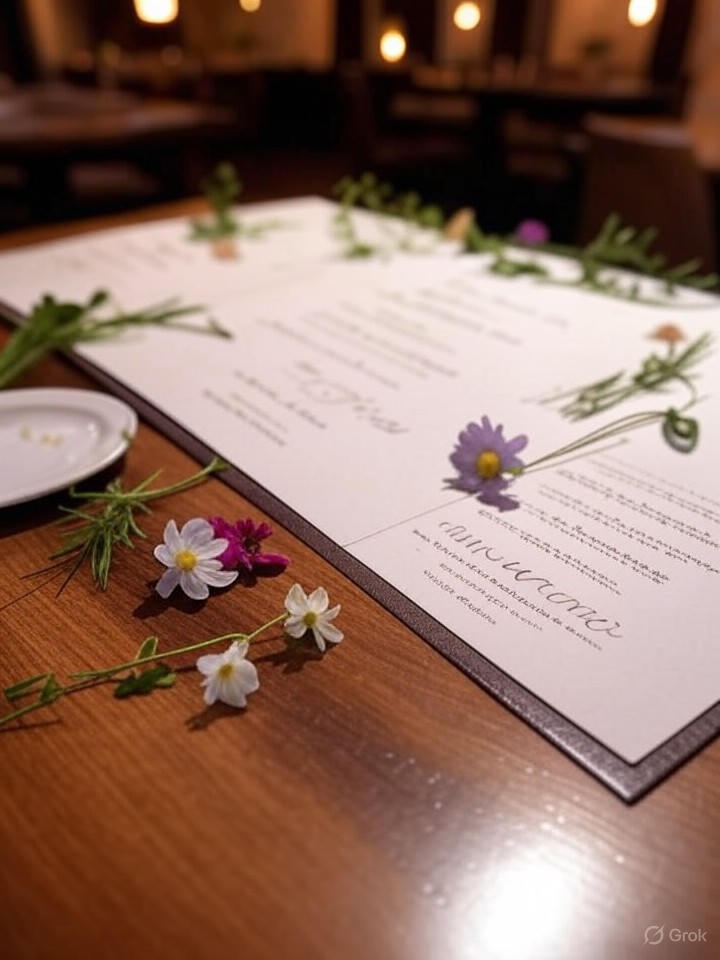
In the world of fine dining, innovation knows no bounds. Gone are the days of laminated paper menus handed across the table. Enter gourmet edible menus—delicate, flavorful creations made from ingredients like rice paper, chocolate wafers, wafer paper, or even pasta sheets. These menus not only inform diners of the culinary delights ahead but also serve as a tantalizing appetizer, blending gastronomy with graphic design. Chefs and restaurateurs are increasingly adopting this trend to elevate the dining experience, turning a functional item into a multisensory prelude to the meal.
This article explores the intricacies of writing and designing these ephemeral masterpieces, offering insights for hospitality professionals, event planners, and culinary artists eager to impress.
The Rise of Edible Menus in Gourmet Dining
Edible menus trace their roots to molecular gastronomy pioneers like Ferran Adrià of elBulli, who blurred the lines between food and presentation. Today, Michelin-starred establishments and luxury events worldwide showcase them. For instance, The Fat Duck in the UK has experimented with edible formats, while pop-up experiences in New York and Tokyo regularly feature them.
The appeal lies in their ephemerality and interactivity. Diners read, savor, and consume the menu, creating a memorable "zero-waste" moment that aligns with sustainable dining trends. They also reduce paper use, appealing to eco-conscious patrons.
Writing Content for Edible Menus: Precision and Poetry
Crafting text for an edible canvas demands brevity, elegance, and sensory language. Unlike traditional menus, space is limited—think 4x6 inches or smaller—and readability must withstand nibbling.
Key Principles:
- Conciseness: Limit to 5-7 courses. Use poetic shorthand: "Seared foie gras, pear espuma, balsamic pearls" instead of verbose descriptions.
- Sensory Evocation: Employ vivid, mouthwatering words. Pair flavors with textures: "Velvety truffle risotto, crisp sage, earthy morels."
- Typography-Friendly Phrasing: Avoid long words; opt for line breaks. All caps for headings, italics (via font choice) for allergens.
- Pairing Notes: Integrate wine or cocktail suggestions subtly, e.g., "Amarone whispers alongside."
Pro Tip: Test legibility on mockups. Edible inks (food-grade) must dry without bleeding, so use bold sans-serif fonts like Helvetica or custom scripts mimicking handwriting.
Designing Edible Menus: Materials and Aesthetics
Design fuses culinary artistry with visual appeal. The menu must look stunning, taste divine, and remain intact until savored.
Essential Materials:
| Material | Best For | Flavor Profile | Durability |
|----------|----------|----------------|------------|
| Wafer Paper (Rice Paper) | Delicate prints | Neutral, slightly sweet | High; flexible |
| Edible Chocolate Sheets | Decadent menus | Rich cocoa | Medium; melts in heat |
| Sugar Sheets | Vibrant colors | Sweet, candy-like | Low; dissolves quickly |
| Pasta or Isomalt Sheets | Savory twists | Neutral/savory | High; oven-stable |
Design Process:
1. Conceptualize Theme: Match the menu to the cuisine—rustic for farm-to-table, opulent gold leaf for haute cuisine.
2. Digital Mockup: Use software like Adobe Illustrator or Canva for layouts. Incorporate subtle graphics: herb illustrations, wine glass silhouettes.
3. Printing: Employ food-grade printers with edible inks (CMYK + special colors). Suppliers like Edible Ink provide kits.
4. Finishing Touches: Dust with gold leaf, embed micro-herbs, or perforate for easy tearing.
5. Packaging: Present on slate boards or in edible envelopes to maintain crispness.
Visual Hierarchy: Headline the chef's name or restaurant logo at the top. Use negative space generously—less is more on a bite-sized medium.
Step-by-Step Guide to Creating Your First Edible Menu
1. Brainstorm Menu Items: Curate 4-6 courses with seasonal ingredients.
2. Write Copy: Draft in a Google Doc, then refine for brevity (under 200 words total).
3. Sketch Design: Hand-draw or digitally layout, ensuring scalability to edible sheet size.
4. Print and Assemble: Source materials, print at home or via service, then embellish.
5. Test and Iterate: Serve to a focus group; note flavor interference and readability.
6. Launch: Pair with a story at the table, e.g., "Our menu is the first course—bon appétit!"
Challenges and Solutions
- Shelf Life: Solution: Produce on-demand; store in cool, dry places.
- Cost: Initial setup ~$100-500; scales with volume.
- Allergens: Clearly mark with symbols; use nut-free inks.
- Customization: Offer vegetarian/vegan variants with alternative sheets.
Real-World Inspirations
- Noma (Copenhagen): Edible menus mimicking forest floors.
- Alinea (Chicago): Chocolate menus revealing hidden messages when bitten.
- Event Planners: Wedding menus on macaron sheets for romantic flair.
By mastering edible menus, you transform a simple list into a gastronomic overture, leaving diners craving more.
Resources and Links
- Edible printing supplies: Edible Ink
- Wafer paper and tools: Fancy Flours
- Design templates: Canva Edible Menu Templates
- Gourmet inspiration: Eater's Edible Menu Guide
- Food-grade ink printers: CookieCad
- Case studies: The World's 50 Best Restaurants Innovations