Branding and packaging for high-end edibles
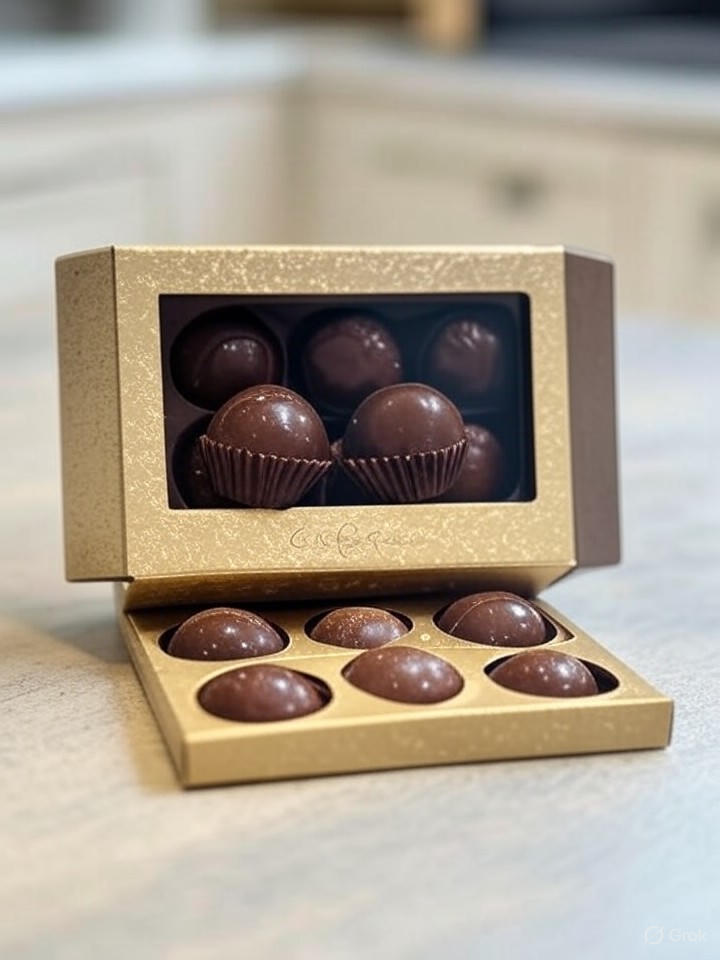
In the rapidly evolving world of cannabis-infused products, high-end edibles stand out not just for their superior quality and precise dosing but for their ability to evoke luxury and sophistication. As consumer preferences shift toward premium experiences, effective branding and packaging have become essential tools for capturing market share. Gone are the days of generic bags and jars; today's discerning buyers seek edibles that rival fine chocolates or artisanal confections in presentation and allure. This article explores the strategies behind crafting branding and packaging that positions high-end edibles as must-have indulgences.
The Strategic Imperative of Premium Branding
Branding for high-end edibles is about more than a logo—it's storytelling that builds trust, desire, and loyalty. In a saturated market, premium brands differentiate through authenticity and exclusivity.
Crafting a Luxurious Brand Identity
- Visual Language: Opt for minimalist designs with earthy tones (deep greens, golds, matte blacks) or jewel-like accents to signal refinement. Serif fonts and subtle embossing evoke heritage craftsmanship, much like high-end wine labels.
- Narrative Focus: Emphasize sourcing—rare strains, organic ingredients, or chef collaborations. Brands like Kiva Confections succeed by highlighting "terroir" akin to fine wines, fostering emotional connections.
- Target Audience Alignment: Appeal to affluent millennials and Gen Z by integrating wellness narratives, such as "mindful elevation" or "elevated rituals," positioning edibles as lifestyle enhancers rather than mere consumables.
Consistency across digital touchpoints—Instagram aesthetics, website UX, and in-store displays—amplifies brand recall, turning one-time buyers into advocates.
Packaging as the Silent Salesperson
Packaging is the first tactile interaction, making or breaking perceptions of quality. For high-end edibles, it must balance aesthetics, compliance, and functionality while screaming "premium."
Key Design Principles
- Materials Matter: Sustainable options like recycled glass jars, bamboo tins, or compostable pouches with foil liners preserve freshness and appeal to eco-conscious consumers. Textured finishes—soft-touch laminates or metallic foils—add a sensory layer of luxury.
- Child-Resistant Innovation: Compliance is non-negotiable, but high-end packaging elevates it. Push-and-turn jars with ergonomic grips or magnetic closures feel intuitive yet secure, as seen in Wyld Gummies' sleek, stackable tins.
- Portioning and Customization: Pre-portioned bites in elegant trays (e.g., chocolate truffles in velvet-lined boxes) enhance user experience. Personalization via engraved initials or limited-edition drops creates FOMO (fear of missing out).
Functional Enhancements
Incorporate QR codes linking to lab results, strain profiles, or pairing suggestions, blending tech with tradition. Opaque packaging protects THC from light degradation, ensuring product integrity.
Trends Shaping the Future
- Sustainability Surge: Biodegradable materials and zero-waste initiatives are table stakes. Brands like Kikoko lead with ocean-bound plastic alternatives.
- Experiential Packaging: Unboxing rituals—think nested boxes revealing hidden compartments—mirror luxury beauty unboxings.
- Regulatory Adaptation: As legalization expands, adaptive designs accommodate varying state rules while maintaining a cohesive brand image.
- Inclusivity and Wellness: Low-dose, functional edibles (e.g., CBD-infused for sleep) in apothecary-style vials cater to health-focused demographics.
Data from Brightfield Group shows premium edibles growing 25% annually, underscoring the ROI of sophisticated packaging.
Real-World Success Stories
- Papa & Barkley: Their apothecary jars and hand-stamped labels convey artisanal care, commanding premium pricing.
- Incredibles: Vibrant yet refined chocolate bars in gold-embossed wrappers blend fun with elegance.
- Keef Brands: Infused sodas in matte cans with holographic accents appeal to craft beverage lovers.
These examples prove that thoughtful design translates to higher margins—up to 40% more than standard products.
Conclusion: Packaging Desire, One Box at a Time
For high-end edibles, branding and packaging are the alchemy turning botanicals into bespoke luxuries. By prioritizing sensory appeal, sustainability, and storytelling, brands not only comply with regulations but captivate consumers. As the market matures, those investing in elevated designs will dominate shelves and social feeds. The message is clear: in edibles, the package is the product.
Recommended Resources
- Brightfield Group: Cannabis Packaging Trends Report
- Kiva Confections Branding Case Study
- Packaging Strategies for Cannabis: Leafly Insights
- Sustainable Packaging Guide by New Hope Network
- Wyld Gummies Product Gallery