Building a cannabis flavor wheel for chefs and home cooks
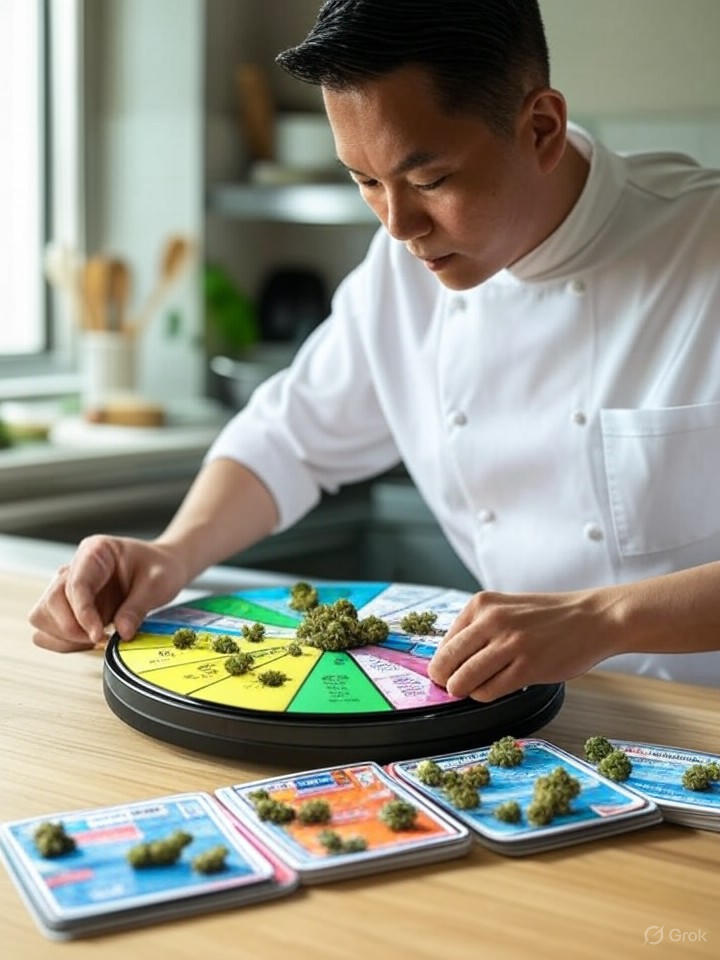
In the evolving world of culinary cannabis infusion, understanding flavor profiles is key to creating balanced, delicious edibles and infused dishes. A cannabis flavor wheel serves as a visual map, much like those used for coffee, wine, or chocolate, helping chefs and home cooks identify dominant terpenes—the aromatic compounds responsible for cannabis's taste and aroma—and pair them effectively with ingredients. Whether you're a professional developing a cannabis-infused menu or a home enthusiast experimenting with cannabutter, building your own flavor wheel demystifies strain selection and elevates your cooking.
Why a Cannabis Flavor Wheel Matters in the Kitchen
Cannabis strains vary wildly in flavor due to their unique terpene profiles, which influence not just taste but also effects and synergy with food (known as the entourage effect). A flavor wheel:
- Simplifies Pairing: Matches earthy strains with hearty meats or citrus-forward ones with seafood.
- Aids Consistency: Ensures repeatable results when infusing oils, tinctures, or baked goods.
- Sparks Creativity: Encourages experimentation, like blending fruity sativas with desserts or spicy indicas in savory rubs.
- Enhances Accessibility: Makes strain selection at dispensaries intuitive, focusing on culinary potential over potency alone.
For chefs, it's a tool for menu innovation; for home cooks, it's a gateway to personalized edibles without guesswork.
Core Components of a Cannabis Flavor Wheel
Cannabis flavors stem primarily from terpenes, with over 200 identified but a handful dominating. Build your wheel hierarchically: start with broad categories at the center, branching to specifics outward. Here's a foundational structure based on common profiles:
1. Earthy & Woody (Dominant Terpenes: Myrcene, Pinene, Humulene)
- Sub-flavors: Pine, forest floor, fresh herbs, sandalwood.
- Pairings: Grilled mushrooms, roasted root vegetables, game meats, dark chocolates.
2. Citrus (Dominant Terpenes: Limonene, Citral)
- Sub-flavors: Lemon, orange, grapefruit, lime.
- Pairings: Salads, fish tacos, sorbets, herbal teas.
3. Fruity (Dominant Terpenes: Valencene, Terpinolene)
- Sub-flavors: Berry (blueberry, strawberry), tropical (mango, pineapple), grape, apple.
- Pairings: Fruit tarts, smoothies, BBQ glazes, yogurt parfaits.
4. Floral & Sweet (Dominant Terpenes: Linalool, Nerolidol)
- Sub-flavors: Lavender, jasmine, honey, vanilla, candy.
- Pairings: Pastries, custards, floral-infused cocktails, light cheeses.
5. Spicy & Herbal (Dominant Terpenes: Caryophyllene, Ocimene)
- Sub-flavors: Black pepper, clove, cinnamon, basil, diesel.
- Pairings: Curries, stews, pepper-crusted steaks, gingerbread.
6. Pungent & Savory (Dominant Terpenes: Myrcene blends with sulfurs)
- Sub-flavors: Cheese, skunk, fuel, onion-garlic.
- Pairings: Aged cheeses, umami-rich broths, bold burgers, fermented foods.
Visualize it as a circular diagram: Central hub labeled "Cannabis Terpenes," with spokes for each category, and leaves for sub-notes.
Step-by-Step Guide to Building Your Flavor Wheel
1. Research and Gather Data:
- Use apps like Leafly or Weedmaps to note terpene profiles of popular strains (e.g., Blue Dream for berry, Girl Scout Cookies for earthy-sweet).
- Sample small amounts legally—vape pens or tinctures preserve pure flavors.
2. Sketch the Wheel:
- Analog: Draw a circle on paper or poster board. Divide into 6-8 pie slices for categories.
- Digital: Free tools like Canva, Lucidchart, or Adobe Illustrator. Search "flavor wheel template" for starters.
3. Test and Annotate:
- Taste 10-20 strains blind. Rate intensity (1-10) and jot aromas on first inhale/exhale.
- Add practical notes: "Great for decarbing into butter" or "Pairs with Thai basil."
4. Customize and Expand:
- Include hybrids (e.g., citrus-earth crossovers).
- Note effects: Uplifting limonene for brunch vs. relaxing myrcene for dinner.
- Laminate or print for kitchen use.
5. Iterate: Update as you cook—flavors shift post-decarboxylation or infusion.
Practical Pairing Examples for Chefs and Home Cooks
- Earthy (OG Kush): Infuse into a red wine reduction for braised short ribs.
- Citrus (Super Lemon Haze): Lemon-cannabis aioli for shrimp ceviche.
- Fruity (Strawberry Cough): Strawberry-rhubarb cannabis crisps.
- Spicy (Durban Poison): Peppercorn-cannabis rub for lamb chops.
- Floral (Lavender): Cannabis lavender shortbread cookies.
Start low on dosing (2.5-5mg THC per serving) and use full-spectrum products to retain terpenes.
Tips for Culinary Success
- Preserve Flavors: Decarboxylate at low temps (220°F/104°C) to avoid burning terpenes.
- Infusion Methods: Fats like butter or coconut oil extract flavors best; alcohol for tinctures.
- Legal and Safety Note: Ensure compliance with local laws; consult professionals for high-volume production.
- Storage: Keep wheels and infused goods in airtight, dark containers to maintain profiles.
Conclusion
A cannabis flavor wheel transforms guesswork into gastronomic precision, empowering chefs to craft innovative tasting menus and home cooks to perfect family recipes. Start simple, taste widely, and refine—your kitchen's new secret weapon awaits.
Resources and Links
- Leafly Strain Explorer – Search by flavor and terpenes.
- Terpene Flavor Guide by Abstrax Tech – Detailed terpene breakdowns.
- Wine Folly Flavor Wheel Example – Inspiration for structure.
- Canva Flavor Wheel Templates – Easy DIY tools.
- Ed Rosenthal's Cannabis Cookbook – Recipes tying into flavors.