Farm-to-table edibles: working directly with growers and cultivars
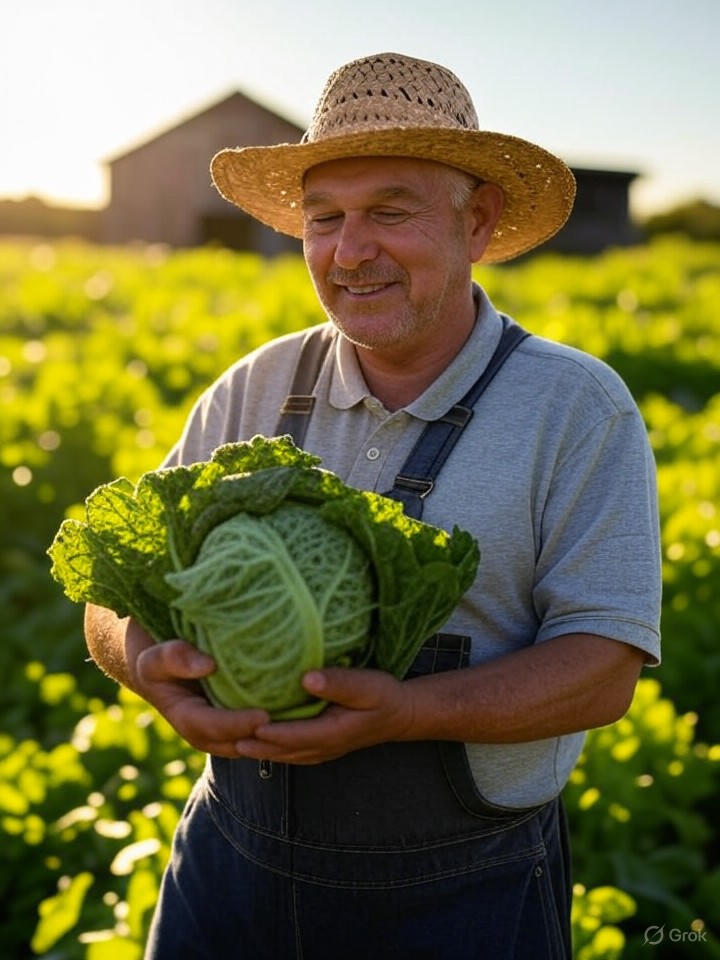
In the evolving world of cannabis cuisine, the farm-to-table movement has taken root, emphasizing fresh, locally sourced ingredients straight from the grower. Farm-to-table edibles prioritize direct partnerships with cultivators—those skilled artisans who breed and nurture cannabis cultivars—to deliver potent, flavorful products with unmatched purity and terroir. This approach not only elevates the dining experience but also supports sustainable agriculture and transparency in an industry often shrouded in mystery.
The Rise of Farm-to-Table Edibles
Traditionally, edibles relied on mass-produced extracts, leading to inconsistent dosing and muted flavors. Farm-to-table flips the script by sourcing whole-flower cannabis directly from growers. Cultivars, the plant varieties selectively bred for specific traits like aroma, potency, and effect, become the stars. Imagine infusing brownies with terpene-rich Gelato from a coastal farm or crafting gummies with sun-kissed Durban Poison—each batch tells a story of soil, climate, and care.
This model draws from gourmet food trends, where chefs partner with farmers for heirloom tomatoes or heritage grains. In cannabis, it means bypassing middlemen for fresher material, higher cannabinoid retention, and custom-tailored profiles.
Benefits of Direct Grower Partnerships
Working hand-in-hand with growers yields tangible advantages:
- Superior Quality and Freshness: Harvested buds arrive within days, preserving volatile terpenes that enhance flavor and entourage effects. No stale trim or low-grade shake.
- Customization: Collaborate on cultivars suited to your recipes. Need a high-CBD strain for calming tinctures? A sativa-dominant for energizing chocolates? Growers can prioritize your specs.
- Transparency and Testing: Direct access to lab results ensures compliance with potency, pesticides, and contaminants. Many farms use regenerative practices, appealing to eco-conscious consumers.
- Cost Efficiency: Eliminate distributor markups. Bulk deals with trusted growers can reduce costs by 30-50%, per industry reports.
- Storytelling: Edible labels boasting "Grown by [Farm Name] in [Region]" build brand loyalty and command premium pricing.
Navigating Cultivars: The Heart of Flavor and Effect
Cultivars are to cannabis what grape varietals are to wine—each with unique genetics influencing taste, aroma, and high. Key categories include:
| Cultivar Type | Flavor Profile | Ideal Edible Use | Example Strains |
|---------------|----------------|------------------|-----------------|
| Indica-Dominant | Earthy, fruity, sweet | Relaxing brownies, sleep aids | Granddaddy Purple, Northern Lights |
| Sativa-Dominant | Citrus, pine, diesel | Uplifting gummies, daytime treats | Sour Diesel, Jack Herer |
| Hybrid | Balanced, complex | Versatile chocolates, savory infusions | Blue Dream, Girl Scout Cookies |
| High-CBD | Herbal, nutty | Wellness balms, low-dose beverages | ACDC, Harle-Tsu |
Select based on terpene content: Myrcene for sedation, limonene for mood boost. Partner with breeders via platforms like Leafly or farm collectives to trial samples.
Building Relationships with Growers
Start local: Attend cannabis farm tours, trade shows like MJBizCon, or join grower co-ops. Platforms such as Weedmaps' supplier directories connect you with verified cultivators.
- Vet Partners: Request farm histories, soil tests, and third-party COAs.
- Contracts: Outline harvest timing, volume, and pricing. Include clauses for organic certification.
- Logistics: Use climate-controlled transport to maintain integrity from field to kitchen.
Pro tip: Visit during harvest to hand-select flowers, fostering trust and ensuring top-tier material.
From Farm to Table: Production Best Practices
Decarboxylate fresh flower at 240°F for 30-40 minutes to activate THC/CBD. Infuse into fats like butter or coconut oil using slow-cook methods for even extraction.
Sample Recipe: Cultivar Chocolate Truffles
1. Decarb 7g of chosen flower (e.g., Lemon Haze).
2. Infuse into 1 cup coconut oil over low heat for 2 hours.
3. Melt 12oz dark chocolate, mix in infused oil, chill, and roll into balls.
4. Dust with cocoa. Yields ~20 truffles at 5mg THC each.
Lab-test finished products for precise dosing.
Sustainability in Farm-to-Table Edibles
Direct sourcing promotes regenerative farming: cover crops, water conservation, and biodiversity. Many growers use solar power and IPM (integrated pest management) to minimize environmental impact. Certifications like Clean Green ensure standards.
Conclusion
Farm-to-table edibles represent the future of cannabis gastronomy—fresh, flavorful, and farmer-focused. By working directly with growers and cultivars, creators craft experiences that honor the plant's full potential. Whether you're a home chef or commercial producer, this model delivers excellence from seed to savor.
Recommended Resources
- Leafly Cultivar Guide – Explore thousands of strains.
- Clean Green Certification – Organic standards for cannabis.
- Ed Rosenthal's Big Book of Buds – Grower insights (book link via publisher).
- High Times Farm-to-Table Recipes – Inspiration for infusions.
- Weedmaps Supplier Network – Connect with local growers.