Cannabis in molecular gastronomy: foams, gels, and airs
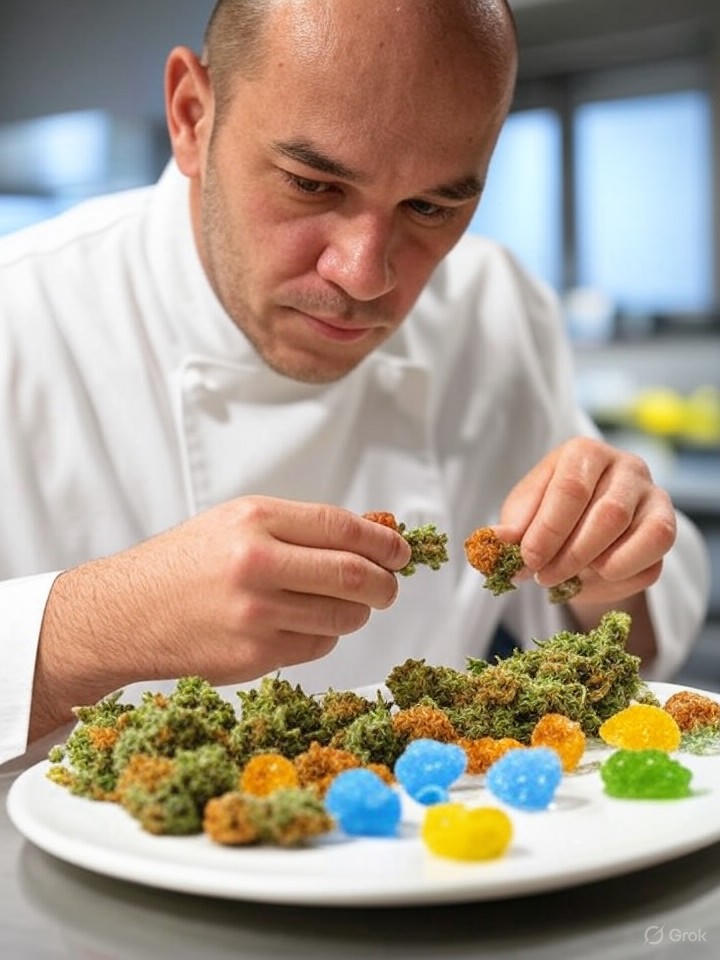
Molecular gastronomy has revolutionized the culinary world by blending science with art, transforming everyday ingredients into extraordinary textures and presentations. From elBulli’s pioneering foams to modern spherification techniques, chefs have pushed boundaries to create edible wonders. Enter cannabis: a versatile ingredient that, when legalized and responsibly used, adds a new dimension to these innovations. Infused into foams, gels, and airs, cannabis enhances flavor profiles while delivering precise dosing in sophisticated dishes. This article explores how cannabis integrates into these techniques, offering chefs and home experimenters a gateway to elevated cannabis cuisine.
The Foundations: Preparing Cannabis for Molecular Techniques
Before diving into textures, cannabis must be properly prepared to ensure bioavailability and even distribution. Decarboxylation—heating cannabis at 240°F (115°C) for 30-40 minutes—activates THC and CBD, converting THCA and CBDA into their psychoactive and therapeutic forms. The result is infused into a neutral carrier like coconut oil, lecithin, or lecithin-based emulsions for compatibility with molecular tools.
Lecithin, a soy or sunflower-derived emulsifier, is key here, stabilizing infusions without overpowering flavors. Tinctures or distillates provide alcohol- or water-soluble options for clearer results. Always prioritize lab-tested products for potency and purity, and adhere to local regulations for legal, adult consumption.
Foams: Light and Layered Cannabis Clouds
Foams, popularized by Ferran Adrià, rely on siphons charged with nitrous oxide (N2O) to whip liquids into airy structures. Cannabis shines in foams due to its fat-soluble nature, pairing seamlessly with lecithin for stable emulsions.
Technique Overview: Blend decarboxylated cannabis oil (1-5mg THC per serving for microdosing) with fruit purees, stocks, or creams. Add 1-2% lecithin by weight, strain, and charge in an iSi siphon. Dispense warm for loose foams or chill for denser ones.
Cannabis Applications:
- Cannabis Lemon Foam: Infuse Meyer lemon juice with cannabis tincture, aerate over seared scallops for a zesty, uplifting topping.
- Herbal Pairings: Combine with basil or mint for a pesto-inspired foam atop cannabis-infused ravioli, balancing earthy terpenes.
These foams dissolve ethereally, providing subtle onset and visual drama—perfect for cannabis tasting menus.
Gels: Encapsulating Essence in Spheres and Sheets
G spherification, using sodium alginate and calcium chloride, creates bursting orbs that mimic caviar or ravioli. Cannabis infusions excel here, as gels can encapsulate precise doses in a thin, flavor-releasing membrane.
Technique Overview: Dissolve sodium alginate (0.5-1%) into a cannabis-infused liquid (e.g., fruit juice with distillate). Drop into a calcium bath for reverse spherification, or use basic spherification for thinner skins. For sheets, spread mixtures thin and set.
Cannabis Applications:
- Olive Oil Caviar: Cannabis-infused extra virgin olive oil forms golden spheres, served over gazpacho for a savory pop.
- Fruit Leather Gels: Mango puree with CBD distillate sets into chewy sheets, ideal for dehydrated garnishes on desserts.
Gels offer controlled release, making them ideal for therapeutic dosing—burst one for an immediate, measured hit.
Airs: The Ultimate Ethereal Infusion
Airs take foam to extremes, using a hand blender to incorporate massive air volumes into liquids, creating fragile "clouds" that collapse on the tongue. Heston Blumenthal championed this at The Fat Duck, and cannabis adapts effortlessly via soy lecithin.
Technique Overview: Blend 2-3% lecithin into warm cannabis-infused stock or juice at high speed for 5-10 minutes. Spoon delicately onto plates; it holds for mere minutes.
Cannabis Applications:
- Tomato Air: Infused with a spicy sativa strain, this ruby cloud crowns burrata for a fresh, vaporous burst.
- Chocolate Air: Dark cocoa with indica distillate forms a bittersweet dome over ice cream, dissolving into velvety richness.
Airs emphasize cannabis's aromatic terpenes, evoking smoke without combustion.
Challenges, Safety, and Innovation
Integrating cannabis demands precision: over-infusion risks bitterness, while emulsions can separate without proper lecithin ratios. Temperature control prevents degradation—keep below 180°F (82°C). Dosing calculators ensure safety, starting low (2.5-5mg THC/serving). Legal considerations vary; consult professionals in permitted regions.
Future innovations? 3D-printed cannabis gels or probiotic foams for gut-friendly edibles. Chefs like those at LA's Gusto or Amsterdam's Green House are already experimenting.
Conclusion
Cannabis in molecular gastronomy elevates foams, gels, and airs from novelties to nuanced experiences, merging science, flavor, and effect. Responsibly wielded, it democratizes elevated cuisine, inviting creativity where legality allows. Experiment boldly, dose wisely, and savor the synergy.
References and Further Reading
- Modernist Cuisine: The Art and Science of Cooking – Comprehensive guide to foams and gels.
- Leafly: Cannabis Infusion Basics – Decarboxylation and dosing tips.
- Serious Eats: Molecular Gastronomy at Home – Recipes adaptable for infusions.
- Journal of Food Science: Emulsifiers in Cannabis Edibles – Scientific insights on stability.
- El Bulli Foundation: Ferran Adrià's Techniques – Original inspirations for airs and foams.
Note: Always verify local laws and use lab-tested products. This is for educational purposes in legal contexts.